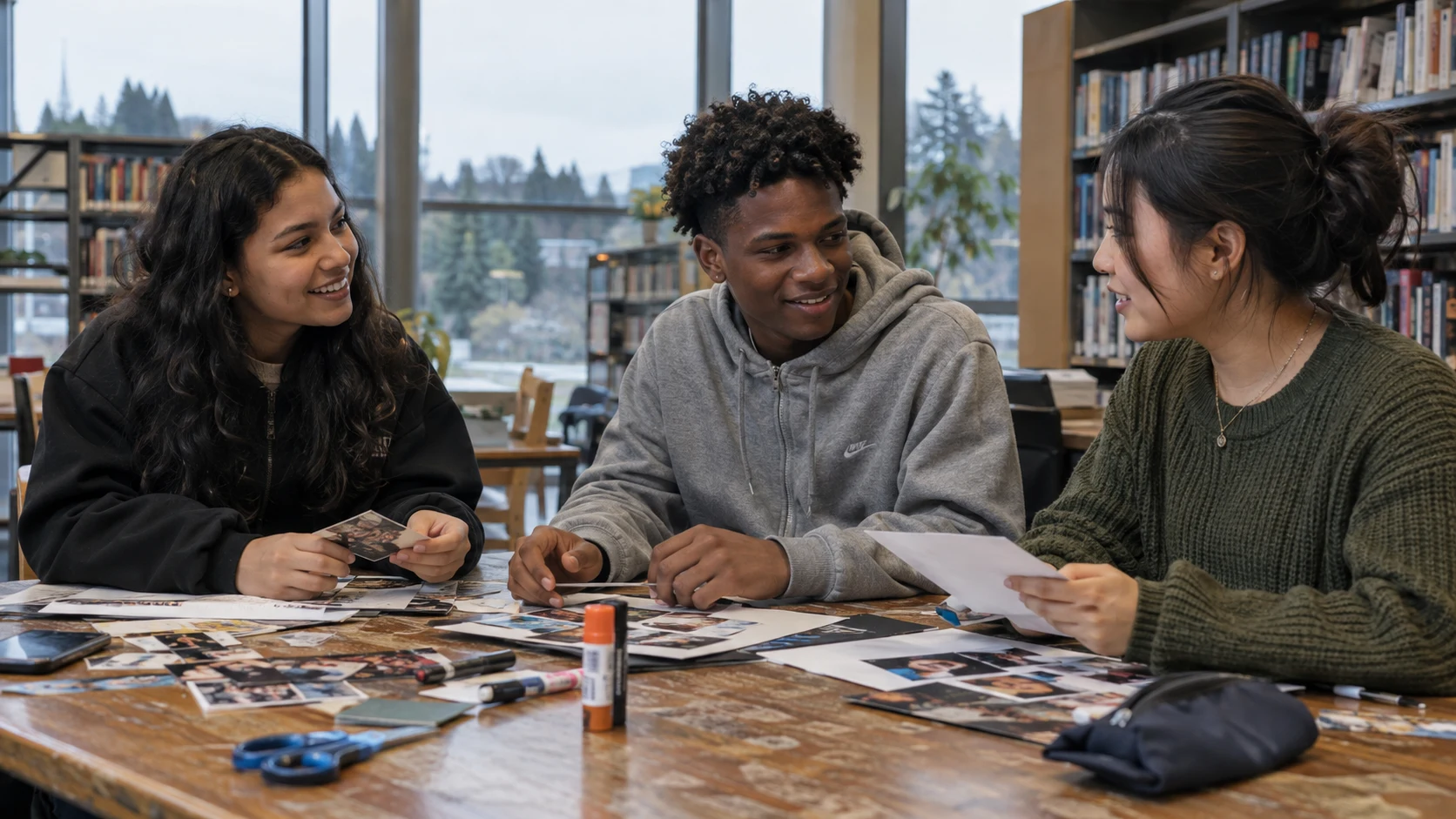

A name pronounced with care. A book that reflects a family’s experience. An adult who asks about a tradition and listens without making assumptions. These are practical ways to make room for a young person’s identity.
During Hispanic Heritage Month, September 15–October 15, communities celebrate histories, cultures, and contributions. It is also a useful moment to ask a year-round question: How can we help young people feel that who they are belongs wherever they are learning and growing?





Can cultural identity support youth confidence? Yes. Research on ethnic-racial identity suggests that opportunities to explore one’s background and develop a positive understanding of it can support self-esteem and adjustment. Results vary across young people and settings. Identity-affirming relationships should accompany practical support and action against discrimination. Read the research review by Rivas-Drake and colleagues.

At Believe in Me, this question connects directly to our Five Pillars of Caring: Basic Human Needs, Love & Belonging, Community Support, Education, and Enrichment.
Help build a community where young people belong. Explore the needs, relationships, and opportunities behind Believe in Me’s work.



What is cultural identity?
Cultural identity is a person’s sense of connection to the communities, traditions, languages, histories, and values that help shape who they are. It can include several cultures and change over time. A young person gets to decide which parts feel meaningful and how to describe them.
In research, ethnic-racial identity is a related, more specific concept: how people explore and understand their ethnic or racial background. The studies discussed here examine that concept; they do not test every aspect of cultural identity.
A young person may feel connected to several communities, have questions about their heritage, or want to learn more without sharing publicly. Adults can welcome that exploration without setting a test of authenticity. Speaking a particular language, knowing a family history, or joining a celebration should never become a requirement for belonging.
What does research say about identity and self-esteem?
Three research findings help explain the connection—and its limits.
1. Identity matters, but experiences differ
A 2014 review in Child Development found that aspects of ethnic-racial identity were generally associated with positive outcomes among adolescents from ethnic minority backgrounds. The authors also reported differences across groups, mixed findings in some areas, and gaps in the evidence. That makes a universal promise inappropriate: no single activity will build confidence for every young person.
2. Structured exploration shows promise
A small randomized trial of the Identity Project, published in 2018, involved 215 adolescents with an average age of about 15. Researchers reported that the program increased identity exploration, followed by greater clarity about identity. Their analysis linked that sequence with higher self-esteem, fewer depressive symptoms, and better grades over the follow-up period.
This is promising evidence for a specific, structured intervention. It does not establish that a one-day cultural event produces those outcomes, and it is not an evaluation of Believe in Me.
3. Identity development continues through change
A 2026 review in Nature Reviews Psychology examines how personal and social identity develop across relationships, education, and other areas of life. It considers connections with well-being and navigating transitions. The practical implication for adults is to leave room for questions and change, rather than expecting young people to settle on one permanent description of themselves.
Why call cultural identity a protective factor?
In this context, a protective factor is a resource that may support healthy development when a young person encounters challenges. The research above gives us reason to take positive identity development seriously as one such resource.
It does not make discrimination harmless or remove the need for food, housing, accessible learning, and trusted relationships. Our responsibility is to build environments that respect young people while addressing the barriers around them.

“Young people do not need to be rescued. They need communities willing to remove barriers, build belonging, and keep showing up.”
— Julie Wukelic, MBA, CEO, Believe in Me

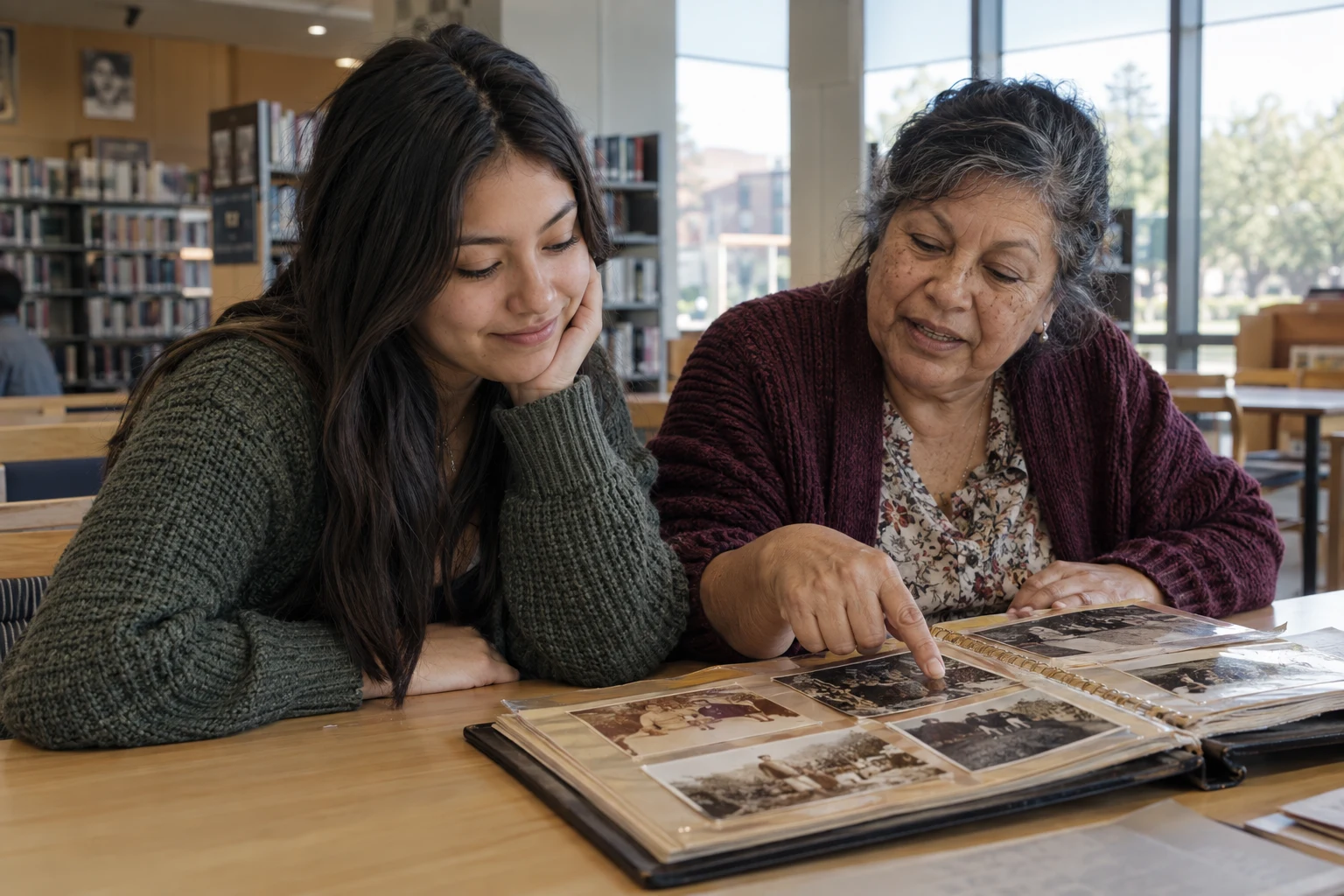

Five ways to support cultural identity and belonging
The following are practical recommendations for families, volunteers, educators, and community partners. They draw on the article’s principles; they are not a substitute for a tested curriculum.
1. Let young people lead the conversation
Ask what matters to them: a language, a place, a person, a creative practice, or something else. Offer the option to pass. Avoid asking anyone to represent an entire community or explain a painful experience for other people’s benefit.
2. Make everyday materials more representative
Review the books, examples, speakers, and activities in your space. Include different communities throughout the year and portray people in ordinary life as well as moments of achievement. Invite young people to suggest additions without making them responsible for fixing every omission.
3. Build relationships with community knowledge holders
Consider inviting local artists, educators, elders, or cultural organizations to help shape activities. Ask what participation would require and budget for their time. In Washington, work respectfully with the specific community or Tribal nation involved; one person or organization cannot speak for everyone.
4. Pair an invitation with practical access
Before planning a workshop or celebration, ask about transportation, cost, language access, disability access, and scheduling. A welcoming invitation becomes more useful when a young person can actually attend. Let participants choose how to contribute, including options that do not involve public speaking or photographs.
5. Respond when belonging is undermined
Correct repeated mispronunciation, interrupt stereotyping, and follow your organization’s procedures when someone reports harassment. Make reporting routes clear. Follow up privately and ask what support would be helpful, without requiring the young person to educate the whole group.
How this connects to Believe in Me’s Five Pillars
Believe in Me is a Seattle-based youth empowerment nonprofit. Our focus on community partnerships connects practical support with opportunities for young people to learn, participate, and build confidence. Here is how cultural respect can inform each pillar:


- Basic Human Needs: Ask about food, clothing, and other preferences instead of assuming one approach works for every family.
- Love & Belonging: Make room for meaningful relationships and cultural connections. Our Love & Belonging framework includes cultural and spiritual support among its examples.
- Community Support: Listen to young people and community partners about what would make participation easier.
- Education: Invite learning about different histories and experiences, while supporting each student’s own goals.
- Enrichment: Offer opportunities to explore art, music, storytelling, and other interests, with genuine choice about participation.
These are ways to apply the framework, not a claim that Believe in Me currently operates every activity described.
What donors and community partners can ask
Looking beyond attendance totals can help supporters understand the quality of an experience. When considering a youth-serving initiative, ask:
- How did young people help choose or shape the activity?
- What practical barriers does the budget address?
- How can participants give private feedback or decline to share a story?
- What happens after the event to sustain relationships?
Teams can also ask participants whether they felt respected, had meaningful choices, and would return. Treat those responses as feedback to improve the experience; a few positive comments do not establish a clinical or academic outcome.
To the families, volunteers, donors, and community partners who make time to listen: thank you. Consistent attention to these details is work worth supporting.
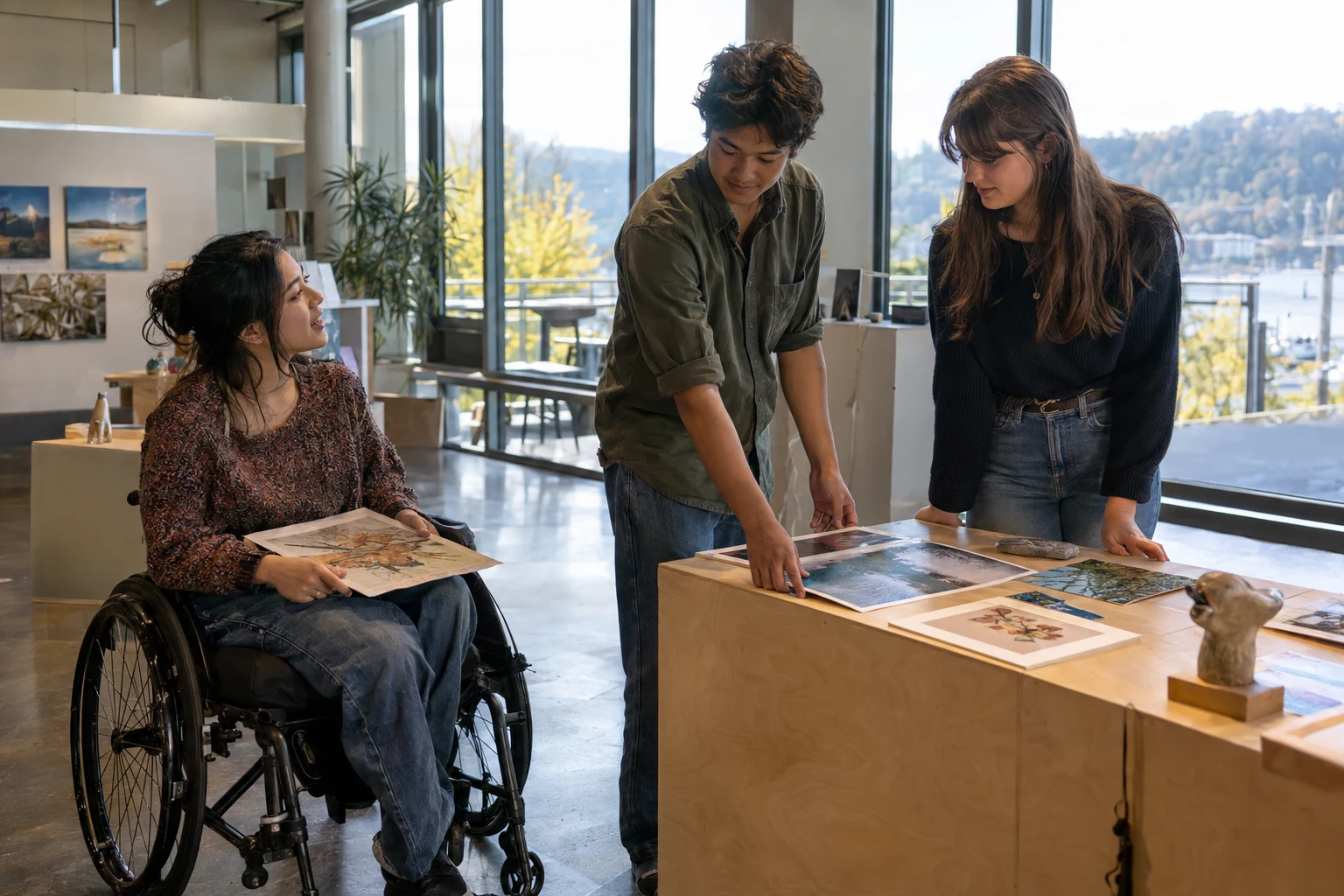
Meaningful participation includes choice, access, and opportunities to contribute.
Help make belonging part of everyday life
Support Believe in Me’s mission to help young people build self-confidence through community support and opportunity. You can contribute resources or bring your skills to the work.
Interested in volunteering? Explore ways to contribute your expertise.
Questions about cultural identity and youth confidence
Culture offers languages, relationships, histories, and values that a young person can draw on when understanding themselves. Individuals interpret those influences differently, and their understanding can change as they encounter new people and experiences.
No. Leave room for multiple connections, uncertainty, and change. Ask which words a young person prefers instead of assigning a label or expecting them to choose one background.
Respect that choice. Offer activities that allow private reflection or participation without disclosure. Access to support should never depend on sharing a personal story.
Start with listening, curiosity, and respect for boundaries. Ask rather than assume, learn independently, and invite community expertise when appropriate. Shared identity alone does not establish that a relationship will be supportive.
Use the month to begin a practice you can sustain: broaden reading materials, build an ongoing relationship with a community organization, or give young people a continuing role in choosing activities. Ask participants what they want to continue.
Key takeaways
- Research supports taking ethnic-racial identity development seriously, while recognizing differences across young people and settings.
- Let young people define their identities and choose what they share.
- Connect cultural respect with practical access, trusted relationships, and year-round opportunities.
Make room for a young person’s story—and let them decide how to tell it.
Research and references
- Rivas-Drake, D., et al. (2014). Ethnic and racial identity in adolescence: Implications for psychosocial, academic, and health outcomes. Child Development, 85(1), 40–57. DOI: 10.1111/cdev.12200.
- Umaña-Taylor, A. J., Kornienko, O., Douglass Bayless, S., & Updegraff, K. A. (2018). A universal intervention program increases ethnic-racial identity exploration and resolution to predict adolescent psychosocial functioning one year later. Journal of Youth and Adolescence, 47, 1–15. DOI: 10.1007/s10964-017-0766-5.
- Crocetti, E. (2026). Adolescent identity development processes, implications and interventions. Nature Reviews Psychology, 5, 441–457. DOI: 10.1038/s44159-026-00569-8.
- Library of Congress and partner institutions. National Hispanic American Heritage Month 2026.