
Why Mentorship Belongs in Every Youth Empowerment Strategy
Why mentorship matters in youth empowerment programs becomes clear when a young person has someone steady in their corner. A mentor cannot solve every barrier, but a consistent adult can help a child feel known, practice new skills, navigate stress, and imagine a future that feels possible.
As the school year approaches, donors and nonprofit partners often ask where support can make the biggest difference. The answer is rarely one program ingredient by itself. Youth need safe places, caring relationships, academic support, community connection, enrichment, and chances to build self-confidence. Mentorship helps those pieces hold together.
Believe in Me funds children’s charities that provide marginalized kids with “a safe place to call home, a family that loves them, a feeling of community, and opportunities to learn, build self-esteem, and have fun.” Mentorship belongs in that promise because confidence grows in relationship.
Mentorship Is More Than Encouragement
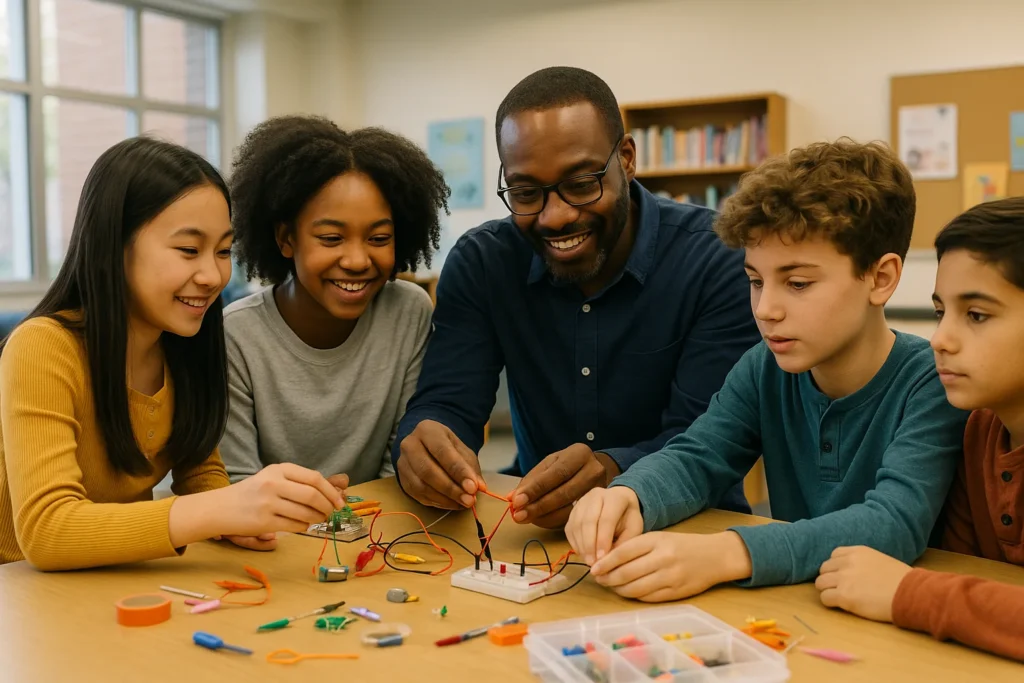
Good mentoring is not just motivational advice. It is a structured, supported relationship that helps young people learn, grow, and stay connected. Youth.gov’s mentoring overview links mentoring with benefits such as improved attitudes about school, higher educational aspirations, enhanced self-esteem and self-confidence, stronger relationships, and better interpersonal skills.
The same source also offers an important caution: mentoring relationships need consistency, preparation, emotional connection, and time. Short, irregular, unsupported matches can disappoint or even harm youth. That is why donors should fund real program infrastructure, not just the idea of a nice adult meeting a child.
For marginalized youth, the quality of the relationship matters as much as the existence of the relationship. A mentor should be trained, dependable, culturally responsive, and connected to a program that can support the match.
What Strong Mentors Actually Do
The Search Institute Developmental Relationships Framework gives a useful way to understand effective mentorship. Its five elements are express care, challenge growth, provide support, share power, and expand possibilities. Those actions move mentoring beyond vague kindness and toward measurable youth development.
A mentor expresses care by listening, showing up, and making a young person feel valued. They challenge growth by expecting effort and helping youth learn from setbacks. They provide support by guiding a young person through hard situations and systems. They share power by including youth in decisions. They expand possibilities by introducing new ideas, places, and people.
That is why mentorship belongs inside a youth empowerment strategy. It turns programs from services young people receive into relationships young people can use.

Why Donors Should Fund the Structure Around the Match
A mentoring program needs recruitment, screening, training, match support, supervision, safety policies, transportation, curriculum, communication tools, and staff time. Those pieces may be less visible than a photo of a mentor and mentee, but they are what make the relationship safe and durable.
The National Academies’ appendix on mentoring in Reforming Juvenile Justice: A Developmental Approach notes that mentoring programs are more likely to produce positive social, academic, and behavioral outcomes when best practices are in place, including volunteer screening and training, match supervision, ongoing mentor support, frequent meetings, and relationships lasting at least 12 months.
That guidance matters for donors. If a nonprofit says it runs youth mentoring programs, ask what support surrounds the match. The answer tells you whether the organization is investing in relationship quality, not just volunteer recruitment.
Mentorship Connects the Five Pillars
Mentorship naturally touches every Believe in Me pillar. It can reinforce safety when youth have trusted adults who notice concerns early. It strengthens love and belonging when young people feel remembered, included, and respected. It builds community support by connecting youth with people, places, and opportunities outside their immediate circle.
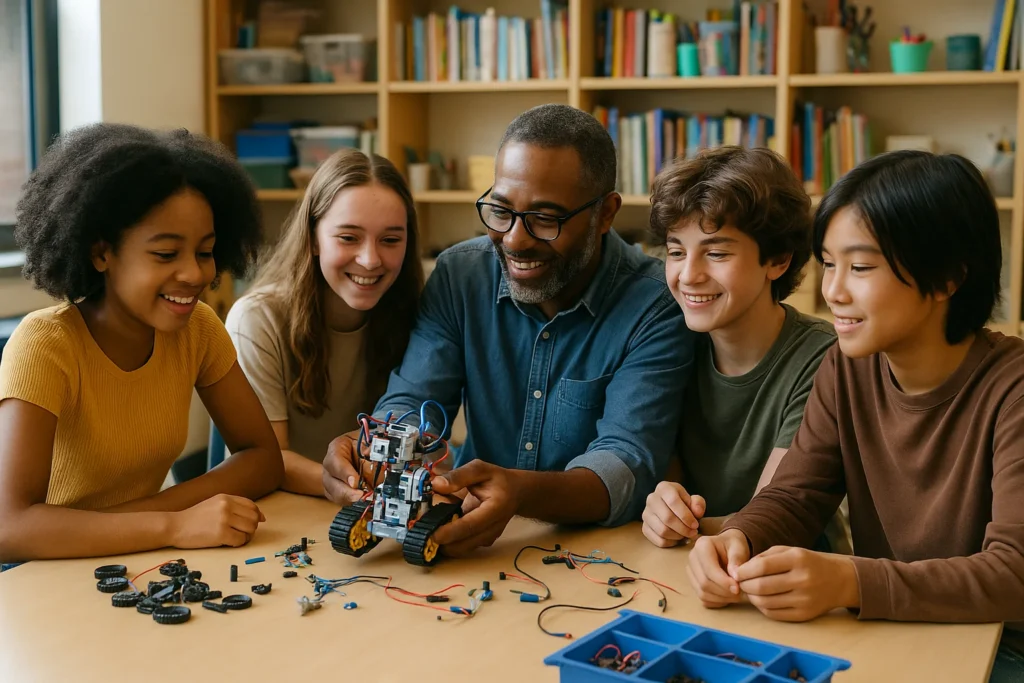
Mentoring also supports education. A mentor can help with attendance, goal setting, homework habits, career exploration, college awareness, or persistence through a hard class. In enrichment settings, mentors can help kids try art, sports, STEM, leadership, outdoor learning, and service projects without feeling alone.
Most importantly, mentoring builds self-esteem through repeated evidence. A young person hears, “You matter,” but they also experience someone showing up again, expecting their best, and helping them recover after mistakes. That pattern is powerful.
What to Measure in Youth Mentoring
Mentoring outcomes should be human and practical. Donors can ask about match length, meeting frequency, mentor retention, attendance, youth satisfaction, caregiver feedback, school engagement, goal progress, and whether youth report feeling known and supported.
A 2026 systematic review in Frontiers in Education highlights that school-based mentoring programs assess many domains, including academic, behavioral, emotional, social, and relational outcomes. That variety is useful because mentoring rarely affects only one part of a young person’s life.
Still, measurement should not flatten the relationship. The best reporting combines data with dignity: how many youth were served, how consistently matches met, what changed, what was hard, and what youth themselves say helped.
Back-to-School Is a Smart Time to Invest
Mentor recruitment matters most before young people are in crisis. Back-to-school planning gives nonprofits a chance to train volunteers, set expectations, align with school calendars, and match youth with adults before attendance, confidence, or behavior concerns become harder to address.
For donors, that timing creates a practical opportunity. Fund the first 90 days of mentor support, sponsor training materials, cover background checks, provide transportation, or help staff coordinate youth, caregivers, and volunteers. Those investments make the relationship reliable from the start.
The Bottom Line
Mentorship belongs in every youth empowerment strategy because it is how support becomes personal. A scholarship, tutoring session, camp activity, or career workshop can matter deeply, but a trusted adult helps a young person connect those moments into identity: I can learn. I can belong. I can try again. I can lead.
For donors, the next step is simple. Support organizations that treat mentoring as a disciplined relationship, not a feel-good add-on. Fund training, screening, staff support, transportation, curriculum, and evaluation. Volunteer if you can be consistent. Explore Believe in Me’s youth empowerment work and help create the relationships that help kids believe in themselves.
Mentorship gives young people a steady relationship with someone who can listen, encourage, guide, challenge, and connect them to opportunities. It helps youth build confidence, persistence, and a stronger sense of belonging.
Effective programs screen and train mentors, support matches, set safety expectations, communicate with families or caregivers when appropriate, track consistency, and help relationships last long enough to matter.
Research and field guidance point to consistency and duration as important factors. Donors should look for programs designed to support regular meetings and relationships that can continue over many months, often a year or more.
Ask how mentors are recruited, screened, trained, matched, supervised, and supported. Also ask what outcomes are tracked and how youth voice is included in program evaluation.
Mentoring reinforces safety, love and belonging, community support, education, and enrichment. A trusted adult can help young people access opportunities, practice skills, and build self-confidence across all five pillars.
About the Author
Julie Wukelic, MBA, is the Chief Change Maker at Believe in Me Foundation for Kids. She helps align strategy, technology, and community partnerships so trusted nonprofits can expand opportunities for marginalized youth to learn, belong, build confidence, and have fun.