
Cultural Identity as a Protective Factor for Youth Confidence
Cultural identity as a protective factor may sound academic, but the idea is simple: young people grow stronger when they know where they come from, who sees them, and why their story matters. During Hispanic Heritage Month and beyond, this is not just a celebration theme. It is part of youth confidence, belonging, and healthy development.
For marginalized youth, identity can be complicated by stereotypes, displacement, foster care involvement, language barriers, racism, poverty, or pressure to fit into spaces that were not designed with them in mind. Supporters sometimes respond by focusing only on risk. Believe in Me has to hold a fuller picture: young people carry strengths, cultures, family stories, languages, traditions, creativity, and community wisdom.
That is why Believe in Me’s mission is to fund children’s charities that provide marginalized kids with “a safe place to call home, a family that loves them, a feeling of community, and opportunities to learn, build self-esteem, and have fun.” Cultural identity touches every part of that promise.
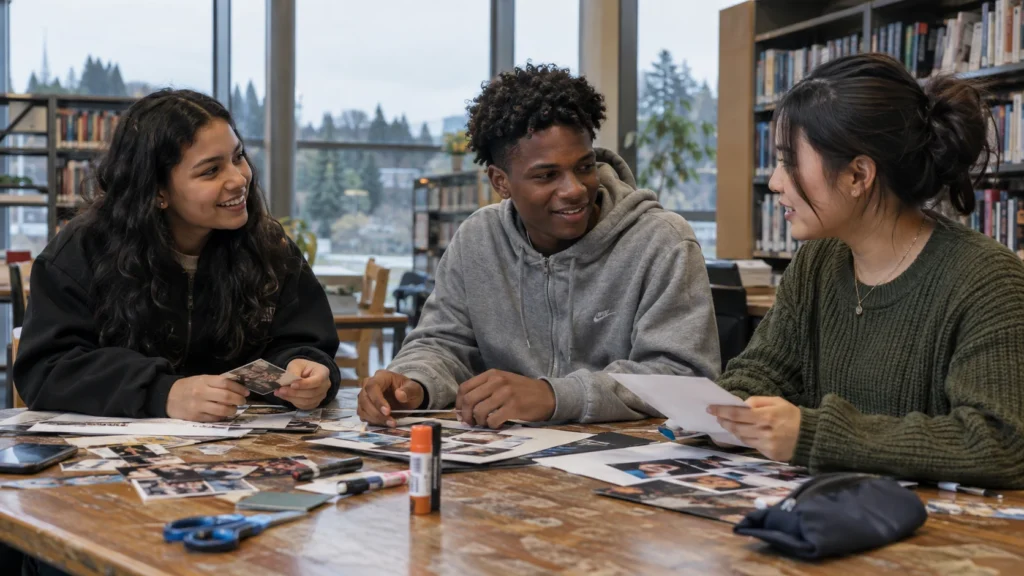
Why Identity Belongs in Youth Development
Adolescence is a powerful window for identity, belonging, and self-direction. The National Academies’ report on adolescent development describes adolescence as a period rich with opportunity, not simply a time of risk. It also calls for culturally sensitive environments that help young people navigate identity and social competence.
That matters because confidence does not grow in isolation. A young person may need tutoring, safe housing, meals, health care, transportation, and mentoring. They also need spaces where their name is pronounced correctly, their family history is not treated as a side note, and their cultural strengths are part of the solution.
When adults honor identity, they send a concrete message: you do not have to erase yourself to belong here. That message can make school, enrichment, mentorship, and community programs feel safer and more usable.
What “Protective Factor” Means
A protective factor is something that helps reduce risk or strengthen resilience. It does not remove every barrier. It gives a young person more support, connection, skill, or belief to draw on when life gets hard.
Research on positive youth development increasingly points to culturally grounded assets. A 2026 article in Frontiers in Developmental Psychology argues that culturally grounded strengths can foster thriving among youth of color. In practice, that can mean family storytelling, language pride, cultural mentorship, identity-safe classrooms, community traditions, and youth leadership.
For donors and partners, the takeaway is practical. Cultural identity is not decoration added after the “real” services. It can be part of why services work. A food program, scholarship program, mentoring session, or arts activity becomes stronger when youth feel known instead of managed.
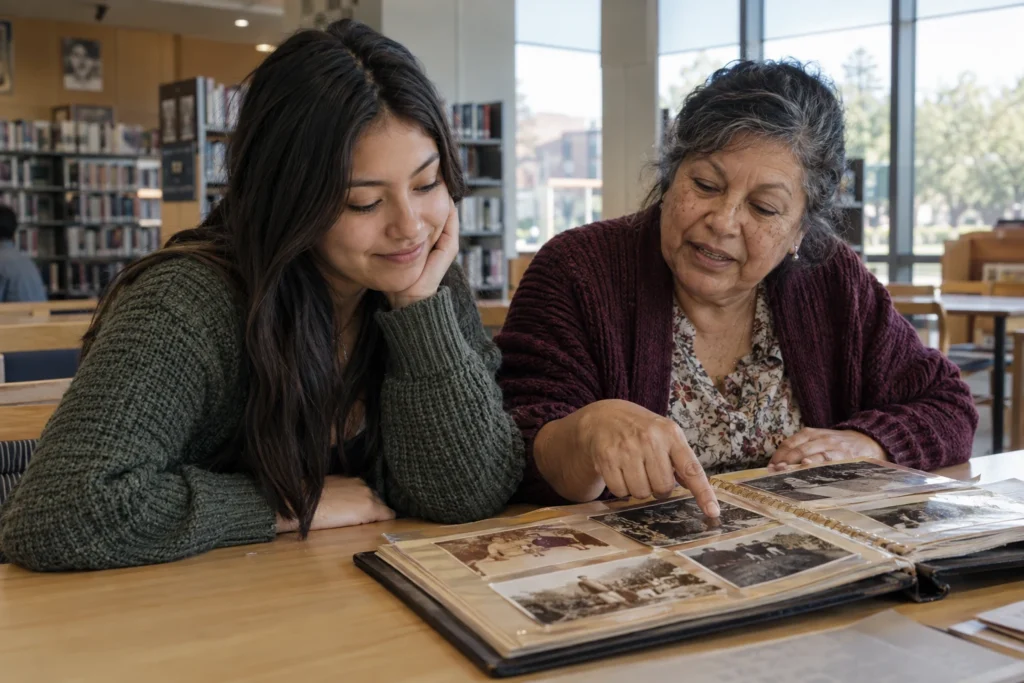
Belonging Is Measurable Support
Belonging is often treated as soft, but the evidence is serious. The CDC’s work on school connectedness describes connectedness as a protective factor associated with lower health-risk behaviors and better experiences for students. For community-based nonprofits, that reinforces what program leaders see every day: relationships and belonging shape whether youth show up, stay engaged, and ask for help.
Believe in Me’s Love and Belonging pillar is not a slogan. It is a design principle. If a young person feels invisible, judged, or culturally out of place, even a well-funded service may not reach them. If they feel seen, the same service becomes easier to trust.
That is why cultural identity should appear in program design, referral conversations, partner selection, evaluation, and storytelling. It helps move support from “available” to actually accessible.
How Supporters Can Put This Into Practice
Start with listening. Ask partner organizations how youth describe belonging in their own words. Ask whether families, elders, cultural leaders, or trusted community members help shape programming. Ask how staff are trained to avoid deficit-based storytelling.
Next, fund flexible supports. Identity-safe programming may include transportation to cultural events, bilingual communication, culturally relevant books and supplies, art materials, family engagement, food that reflects community preferences, or mentors who share lived experience. These may look small on a budget, but they often determine whether youth feel welcome.
Finally, measure more than attendance. Attendance matters, but so do youth voice, trust, confidence, social connection, and self-advocacy. Search Institute’s developmental relationship resources are useful because they frame relationships as active ingredients in youth thriving, not background scenery.
What This Changes for Funding Decisions
For funders, cultural identity should change the questions asked during due diligence. Instead of asking only how many youth were served, ask how youth were welcomed, who shaped the program, and whether families or cultural communities had a voice. Ask whether a partner can describe trust-building practices, youth leadership, and culturally responsive communication.
Those questions make grantmaking and sponsorships more accountable. They also help donors see why flexible dollars matter. A culturally grounded activity, translation support, family meal, or mentor stipend may be the bridge between a good program on paper and a program young people actually use. It also helps boards compare programs by trust, access, and dignity, not just by volume.

Ethical Storytelling Matters
Celebrating cultural identity also requires care. Nonprofits should not turn a young person’s culture into a campaign prop or use heritage months as a quick content hook. Ethical storytelling protects dignity, consent, context, and complexity.
A better approach is to center strengths without pretending barriers are gone. A youth story can name cultural pride, family love, language, faith, art, food, music, and community connection while also explaining why safe housing, education, enrichment, and basic needs still matter.
That balance fits Believe in Me’s youth empowerment work. The goal is not to speak for young people. The goal is to fund trusted partners who help young people build self-confidence in environments that respect who they are.
The Bottom Line
Cultural identity can protect confidence because it gives young people roots, language, memory, pride, and belonging. It reminds them that their story is not a problem to overcome. It is part of the strength they bring.
For donors, volunteers, and community partners, the next step is not complicated: support programs that pair practical resources with dignity, belonging, and culturally responsive care. When young people are safe, loved, connected, educated, and enriched, confidence has somewhere to grow.
Frequently Asked Questions
Cultural identity helps young people feel seen, rooted, and connected. When youth know their story matters, they are more likely to build confidence, ask for support, and participate in learning or enrichment spaces.
Yes. Cultural identity can strengthen resilience by increasing belonging, connection, pride, and supportive relationships. It does not erase barriers, but it can help young people navigate stress with more support.
Use consent-based storytelling, listen to youth and families, avoid stereotypes, fund culturally relevant materials or activities, and let trusted community partners guide program design.
Cultural identity supports Love and Belonging, Community Support, Education, Enrichment, and Basic Human Needs because young people use services more fully when they feel respected and known.
Look for programs that combine practical support with youth voice, trusted relationships, family or community connection, and evidence-informed approaches to belonging and confidence.
About the Author
Julie Wukelic, MBA, is the Chief Change Maker at Believe in Me Foundation for Kids. She helps align strategy, technology, and community partnerships so trusted nonprofits can expand safe, loving opportunities for marginalized youth to learn, belong, build confidence, and have fun.