
Believe in Me | Confidence. Belonging. Opportunity.
The Five Pillars of a Strong School Year
for Kids Facing Systemic Barriers
The five pillars of support for marginalized youth school year readiness help donors and partners look beyond supplies. A strong start means young people have basic needs, belonging, community support, education, and enrichment working together.



Five pillars of support for marginalized youth school year planning
The five pillars of support for marginalized youth school year planning give donors, caregivers, schools, and partners a clearer way to help. Also, back-to-school readiness is not only a backpack, a schedule, or a supply list. It is the set of conditions around a young person that helps them feel safe enough to learn, connected enough to participate, and confident enough to try again when school gets hard.
Youth.gov explains positive youth development as a strength-based approach that supports young people through positive relationships, opportunities, and environments. That definition matters because it shifts the focus from fixing a student to strengthening the ecosystem around them.
For Believe in Me, the school year can be understood through five pillars: Basic Human Needs, Love and Belonging, Community Support, Education, and Enrichment. When those pillars work together, youth are more likely to show up as whole people, not as a list of barriers.
This approach also helps donors avoid the trap of one-time thinking. A student may need supplies before the first bell, encouragement after the first hard week, and enrichment once routines settle. When the five pillars guide the plan, support can move with the school year instead of stopping at the first day.


Quick answer: what makes a strong school year?
A strong school year for young people navigating systemic barriers depends on more than supplies. It takes a steady mix of basic needs, belonging, community support, education, and enrichment so students can stay connected to opportunity as needs change.
The Five Pillars of Caring
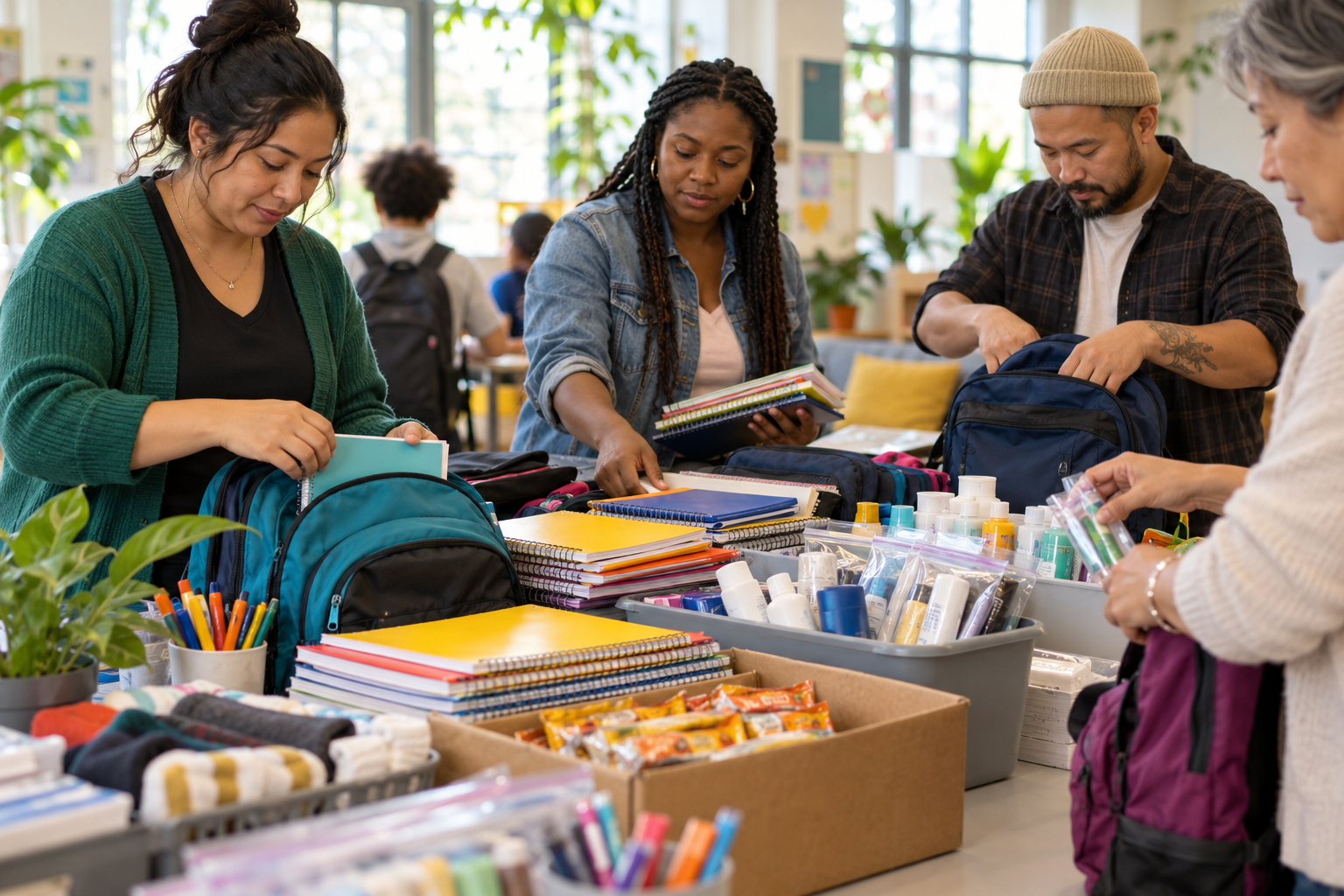
Every Believe in Me program and partnership is guided by five connected areas of support young people need to thrive: basic needs, belonging, community, education, and enrichment.


A dignity-first way to support young people
“Young people do not need to be rescued. They need communities willing to remove barriers, build belonging, and keep showing up.” – Julie Wukelic, MBA, CEO, Believe in Me
That belief is why the five pillars work best together. Practical help matters, but so do consistent relationships, respectful systems, and experiences that help young people see what is possible next.
Pillar 1: Basic Human Needs
Basic Human Needs come first because stress competes with attention. If a young person is hungry, exhausted, worried about hygiene, missing transportation, or unsure where they will sleep, it is harder to focus on class, friendships, or goals. Therefore, school-year support should include practical help before academic expectations rise.
This support can include food access, clothing, hygiene items, transportation help, school supplies, safe housing connections, or emergency assistance through trusted partners. It can also include flexible funds that let staff respond to needs as they appear. A student may not know what they need in July, but by September the gap may be obvious.
Donors can ask one useful question: what would make it easier for a student to walk through the school door without shame? Often, the answer points to practical items, but it also points to dignity.
Also, basic needs support should be quiet when quiet is kinder. Some students want help without attention. Partners can protect that dignity by offering support through normal program channels, school staff, or trusted youth workers instead of creating a public handoff.
Pillar 2: Love and Belonging
Love and Belonging are not soft extras. They are part of readiness. Youth.gov notes the importance of caring adults, positive peers, future aspirations, and engagement in school and community activities. When young people feel known by name and welcomed consistently, they have more reason to stay connected when the year becomes difficult.
Belonging can look simple. For example, a trusted adult checks in. A program leader remembers a student’s interest. A peer group makes room. A mentor follows up after a rough week. These moments do not erase systemic barriers, but they help young people believe they are not facing those barriers alone.
Because belonging can be hard to measure, organizations should still track it carefully. Attendance, retention, participation, youth feedback, and relationship consistency can all show whether young people feel invited back.
Pillar 3: Community Support
Community Support turns isolated help into coordinated care. For example, families, schools, nonprofits, youth workers, volunteers, donors, and local partners all see different pieces of a student’s life. When those pieces stay disconnected, families carry too much of the navigation burden. When partners communicate well, support can become faster and more respectful.
A strong community support plan protects privacy while reducing friction. For example, a nonprofit partner may know that a student needs activity fees covered, a quiet homework place, or transportation to an after-school program. The donor does not need the student’s private story to make that help possible.
This is where flexible, relationship-based giving matters. The most useful gift may not be the most visible one. It may be the one that lets a trusted partner solve a problem before it becomes a reason a student disengages.
Therefore, education support should be planned with both urgency and patience. A student may need an immediate fix, such as access to a calculator or tutoring session. However, they may also need repeated encouragement before they believe academic help is truly for them.
Pillar 4: Education
Education support helps students build skills, confidence, and future options. Believe in Me’s education focus connects learning with opportunity, especially for youth who face barriers outside the classroom. Tutoring, academic coaching, technology access, college and career exposure, and school navigation support can all make the year more manageable.
Still, education support should not treat students as behind by default. Instead, a strength-based approach asks what the student already does well, what they are curious about, and what support would help them take the next step. That mindset preserves dignity and avoids defining youth by gaps.
Also, education support should include the adults around the student. Caregivers may need help understanding school systems, forms, deadlines, or support services. When adults have clearer information, students often get steadier help.
Pillar 5: Enrichment
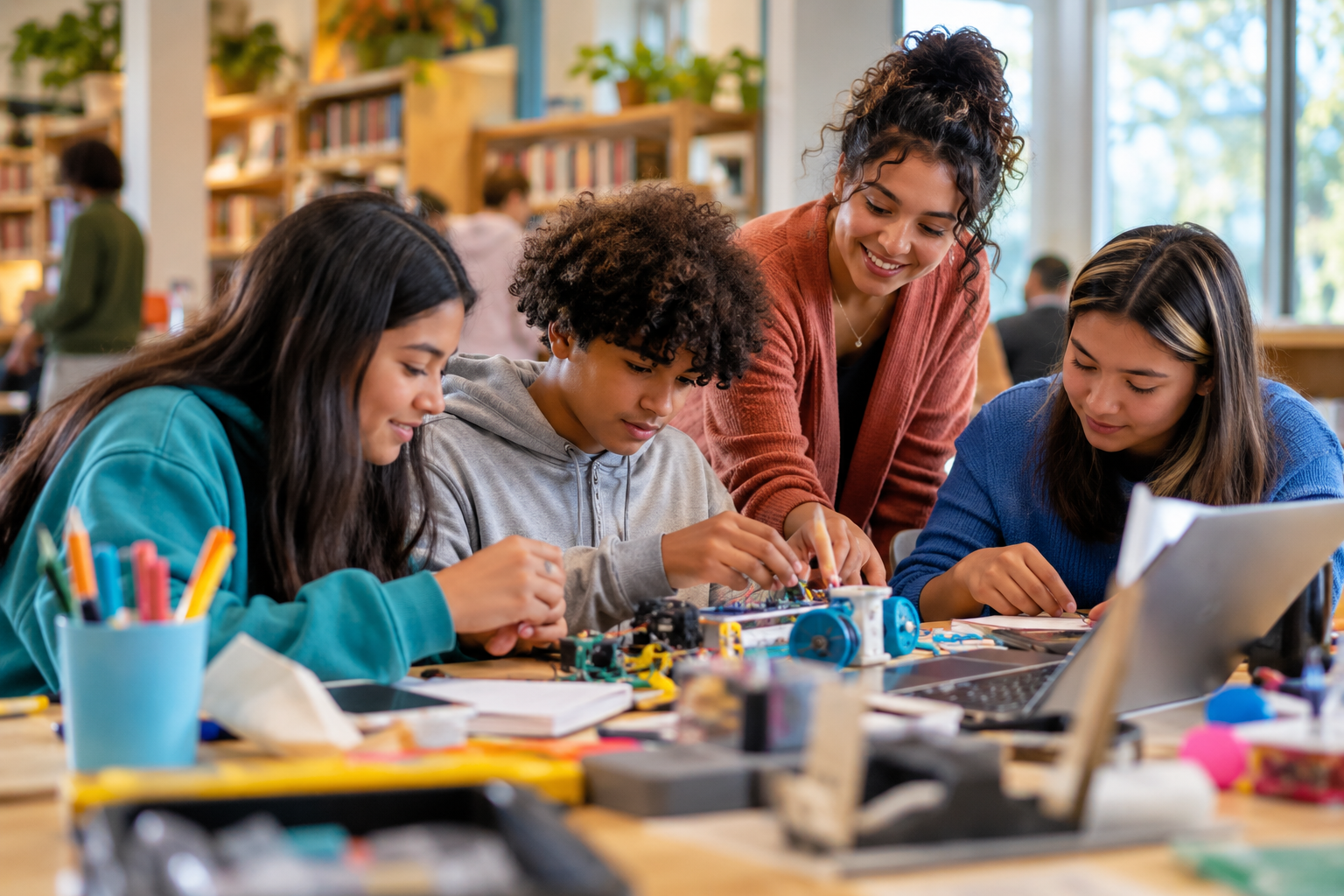
Enrichment makes the school year bigger than survival. Sports, arts, STEM, outdoor learning, leadership, service, music, clubs, and career exploration help young people discover what they enjoy and who they are becoming. Those experiences can build self-confidence in ways a worksheet cannot.
The Believe in Me youth empowerment framework centers self-confidence for marginalized kids. Enrichment belongs in that framework because it gives youth safe chances to try, lead, create, practice, fail, and improve. It also gives adults more ways to see a young person’s strengths.
For donors, enrichment is a powerful school-year investment. Activity fees, equipment, transportation, field trips, camps, workshops, and program scholarships can open doors that students may otherwise assume are closed.
Finally, use the checklist as a conversation starter with partners. Ask what they are seeing this year, which barriers are growing, and what support would be most useful if it arrived before a student had to ask twice.
Use the pillars as a donor checklist
A five-pillar school-year checklist can keep giving balanced. Before funding a back-to-school project, ask whether the plan addresses basic needs, belonging, community support, education, and enrichment. It may not cover every pillar equally, but it should not reduce youth readiness to a single bag of supplies.
Also, ask whether the support is flexible enough for real life. Students’ needs change during the year. A strong plan can respond in August, October, January, and April. That is why recurring giving and community partnerships are so valuable.
The five pillars of support for marginalized youth school year readiness are practical because they keep the whole child in view. When young people are safe, connected, supported, learning, and exploring, they have more room to build the self-confidence they need to succeed.
Key takeaways for donors and partners
- Readiness is ongoing. Young people may need different support in August, October, January, and April.
- Dignity matters. Support should remove barriers without making a young person feel singled out.
- Belonging is part of the plan. Consistent adults, peers, and program spaces help students stay connected.
- Enrichment belongs beside education. Sports, arts, STEM, leadership, and career exploration help young people build confidence.
- Flexible giving helps partners respond. The most useful support is often the one that arrives before a problem grows.
School year support FAQ
What are the five pillars of support?
The five pillars are Basic Human Needs, Love and Belonging, Community Support, Education, and Enrichment. Together, they help keep the whole young person in view.
Why does back-to-school support need more than supplies?
Supplies are useful, but young people also need food security, transportation, safe relationships, academic support, and chances to explore interests. Those needs can shift throughout the year.
How can donors support the five pillars?
Donors can give flexible support, fund program needs, sponsor enrichment access, support mentoring and education programs, or help trusted partners respond quickly when barriers appear.
How does Believe in Me avoid savior framing?
Believe in Me uses strengths-based language and focuses on removing barriers, building belonging, and expanding access. Young people are not defined by hardship.
Can businesses and community groups get involved?
Yes. Businesses, civic groups, schools, volunteers, and community partners can contribute time, talent, resources, visibility, and connections that help young people stay close to opportunity.
Bottom line
The five pillars of support for marginalized youth school year readiness are not a checklist to finish once. They are a practical way to keep showing up with dignity, flexibility, and care across the whole school year.
Support the whole school year, not just the first day
Help Believe in Me strengthen the five pillars that give marginalized youth a safer, steadier, more confident start.