
What Juneteenth Can Teach Donors About Freedom, Opportunity, and Youth Empowerment
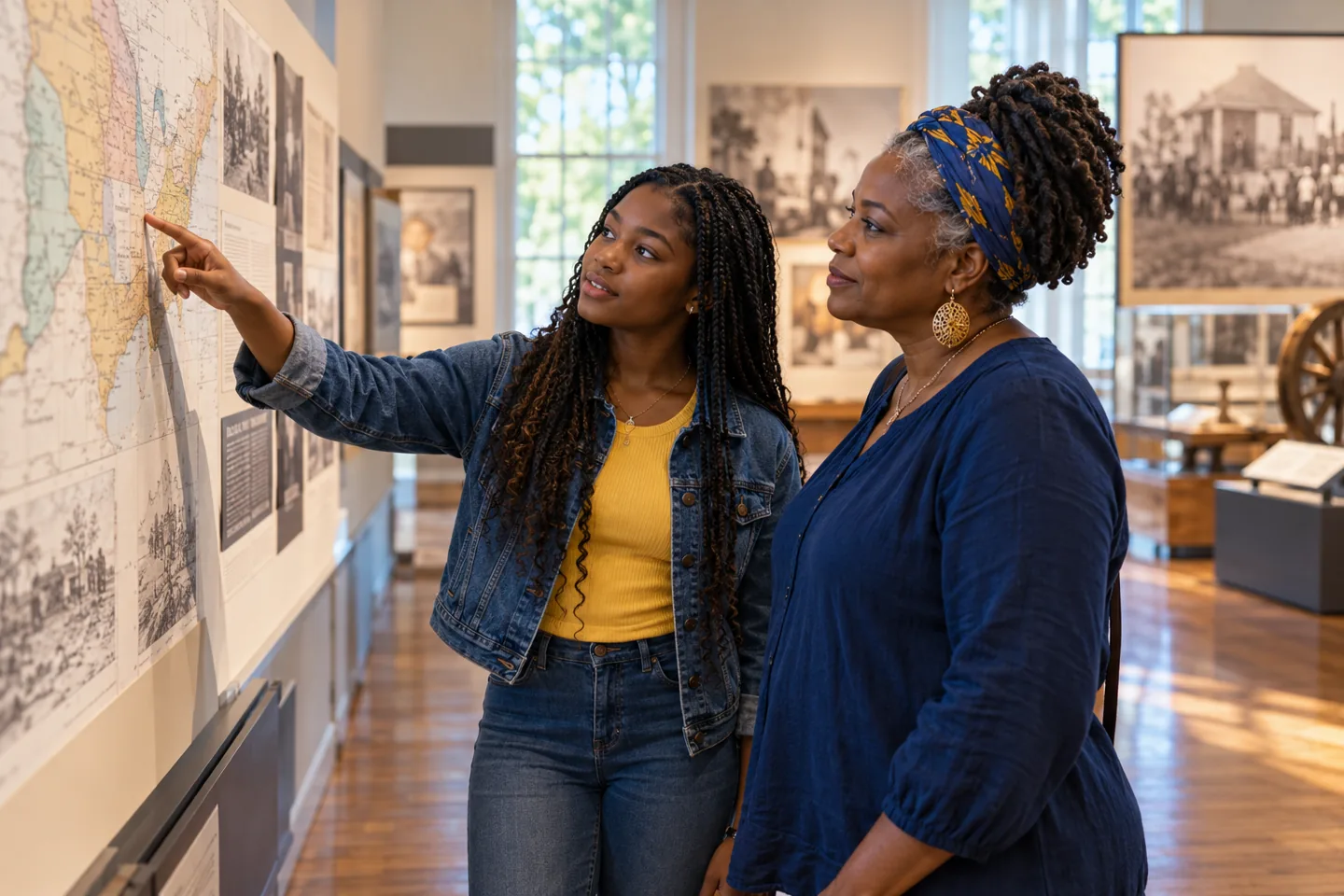
Juneteenth youth empowerment starts with learning the history, listening to Black young people, and supporting opportunities they help shape. For donors, that can mean funding access, respecting youth choices, and staying involved after June 19.
A thoughtful gift begins with a question: what would make this opportunity easier for a young person to use? This guide connects that question to Believe in Me’s Five Pillars of Caring. The ideas below are suggested donor practices, not promises about what a specific gift will fund.
Juneteenth youth empowerment begins with history
First, keep the history at the center. Juneteenth commemorates June 19, 1865, when Union troops announced freedom for enslaved people in Galveston, Texas. This came more than two years after the Emancipation Proclamation. The Smithsonian’s historical overview explains that legacy.
The National Archives also provides General Order No. 3 and historical resources. These sources offer a better starting point than treating the holiday as a generic fundraising theme.
Then consider your role as a supporter. Learn from Black historians, community leaders, and local organizations. Honor celebration, family connection, and creativity alongside honest learning about slavery and freedom. A nonprofit campaign should make room for that full story.
Connect Juneteenth youth empowerment to real access
An invitation alone does not tell you whether a young person can take part. For example, a free workshop may still require a bus fare, a device, or time away from work. Ask the program what stands between an invitation and participation.
Next, listen before deciding what to donate. A program may need transportation support more than another box of supplies. However, the answer should come from its staff and young people. Our guide to summer support after school ends explores why access and belonging deserve attention together.
Use one practical question: “What would help young people participate in the opportunities they already want?” Then ask how the organization would use the support and explain the result.
Use the Five Pillars to ask better donor questions
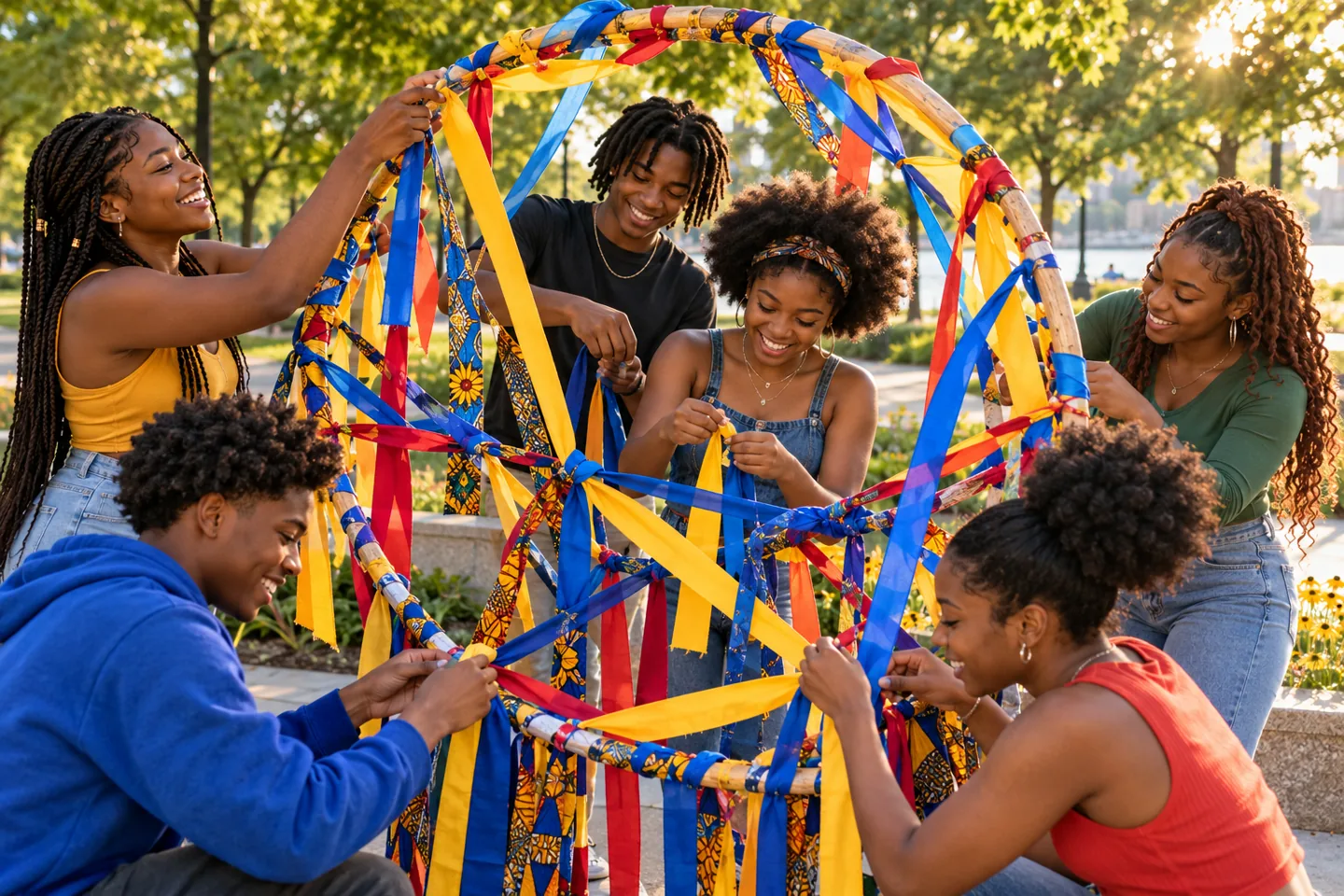
Believe in Me’s Five Pillars of Caring offer a way to consider a young person’s whole experience. Use the questions below when exploring community partnerships. They are conversation starters, not a list of confirmed needs or funded services.
- Basic Human Needs: Would food, clothing, or another essential help young people take part?
- Love & Belonging: How do young people know they are welcome and valued?
- Community Support: Who can help a family find the right service or trusted connection?
- Education: What learning goal do students want to pursue, and what support would help?
- Enrichment: Can young people choose activities that bring joy, creativity, or a chance to try something new?
Also, ask which need the organization is ready to address. A focused, workable plan is easier to understand than a promise to solve every barrier at once.
Let young people help shape the opportunity
Next, ask how youth ideas influence program decisions. Can participants suggest activities? Can they explain what feels welcoming? Does someone tell them what changed after they shared feedback?
Search Institute’s Developmental Relationships Framework includes sharing power and providing support among its five relationship strategies. That supports a useful donor question: how do adults take youth perspectives seriously while offering appropriate guidance?
For example, a youth art group could choose its project theme and suggest accessible meeting times. Staff could then explain which ideas fit the budget and safety plan. This is an illustration of shared decision-making, not a reported Believe in Me project.
Juneteenth youth empowerment should leave room for young people’s interests, identities, and leadership. It should also leave room for a young person to decline public attention.
Protect dignity when sharing stories
A gift should never depend on a young person sharing a painful story. Instead, ask the organization to explain the need, its work, and what it has learned. Useful reporting can protect privacy.
Before sharing a photo or quote, ask how the organization handles consent and youth choice. Also, ask whether participants can receive the same support when they decline publicity. Our guide to giving with dignity offers related questions.
For Juneteenth, show more than hardship. Make space for learning, celebration, skill, and everyday joy. However, label illustrative images clearly so readers do not mistake them for evidence of an actual program.

Ask what your gift will support and how you will learn more
Before giving, read the campaign’s purpose. Then ask whether the gift supports general work or a specific activity. If you want a restriction, confirm that the organization can accept and honor it.
The Donor Bill of Rights offers guidance on transparency, intended use, and truthful answers. You can also read our guide to how donations are used before starting a conversation.
Finally, agree on a useful update. Attendance counts describe participation. Youth feedback describes experience. Neither, on its own, proves that a gift caused a long-term change. Ask what the organization knows, what remains uncertain, and what it plans to improve.
Make a Juneteenth youth empowerment commitment that lasts
Start small enough to follow through. Choose one organization to learn about, one question to ask, and one next step that fits your resources. Then put a future check-in on your calendar.
- Learn: Read a historical source and seek local community perspectives.
- Listen: Ask which youth priorities and practical barriers need attention.
- Act: Choose a gift or a volunteer role that matches a verified need.
- Follow up: Review an update and ask what the organization learned.
If Believe in Me’s work fits your goals, explore our youth empowerment approach or make a gift through our verified donation page. Review the giving options and campaign purpose before you submit. Your next step can be thoughtful, practical, and sustainable.
Juneteenth youth empowerment FAQs
What does Juneteenth commemorate?
Juneteenth commemorates the announcement of freedom for enslaved people in Texas on June 19, 1865. Explore the National Archives resources for the historical record and General Order No. 3.
How can donors support Juneteenth youth empowerment?
Learn the history, listen to Black youth and community leaders, and ask which barriers prevent participation. Then support a verified need. Believe in Me’s Five Pillars provide questions about essentials, belonging, community, learning, and enrichment.
How do I know whether a donation supports a specific program?
Read the campaign description and ask before giving. General support and restricted gifts serve different purposes. The Donor Bill of Rights explains why clear information about intended use matters.
Can young people help decide how a program works?
Yes. Programs can invite youth input on activities, schedules, and feedback while keeping adult safety responsibilities clear. Search Institute’s framework includes sharing power as part of supportive relationships.
Does a donor need a child’s personal story to understand impact?
No. A program can explain participation, feedback, progress, and challenges while protecting privacy. Our giving-with-dignity guide explains why support should respect young people’s boundaries.
Editorial note: This article fills the June 19, 2026 calendar entry and was prepared on October 27, 2026. Program examples are suggestions, not reported outcomes. Images are original AI-generated illustrations, not photographs of actual participants.