
Summer belonging
For some young people, the last day of school is not just the start of summer. It can also mean the sudden loss of meals, structure, trusted adults, peer connection, and safe places to be known.
That is the end-of-school gap.
When people search for summer support for underserved youth after school ends, they are often thinking about academics: summer slide, reading loss, missed enrichment, or students returning in the fall less prepared than when they left. Those concerns matter. But the gap is bigger than learning alone.
For young people facing barriers, summer can interrupt the relationships and routines that help them feel steady. A mentor may be harder to reach. Transportation may be limited. Meals may be less predictable. Enrichment may come with costs a family cannot absorb. A young person who felt seen during the school year may spend the summer wondering where they belong.
At Believe in Me, we believe support should not disappear just because the school calendar changes.
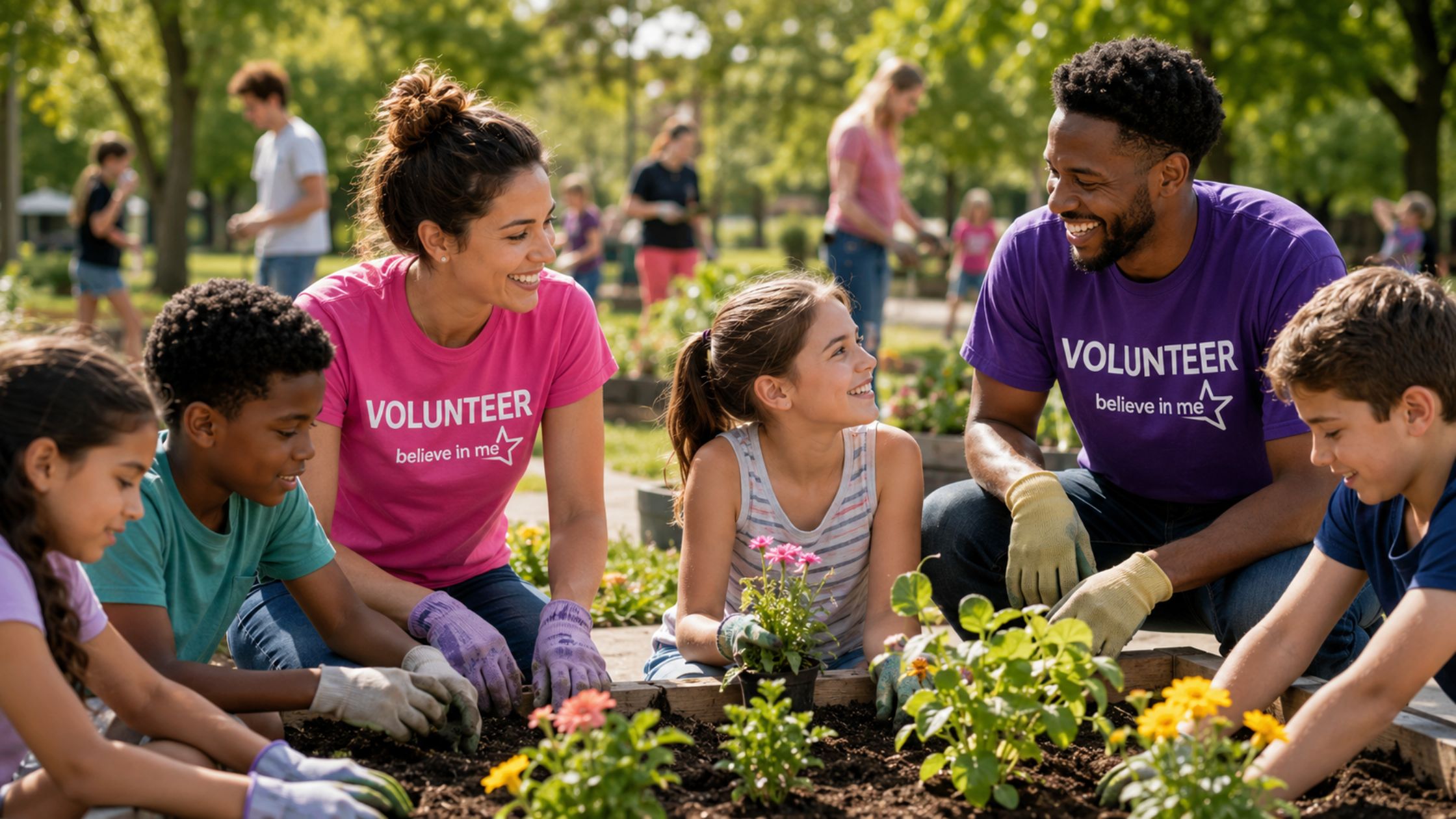
Summer can interrupt meals, mentoring, peer connection, enrichment, and trusted routines.
Young people need safe, affirming spaces where they are known, valued, and invited in.
Basic needs, education, belonging, enrichment, and community support all play a role.
The End-of-School Gap Is About More Than Academics
Summer learning loss is real enough to deserve attention, but the research is more nuanced than the usual “students lose months of progress” headline. NWEA describes summer learning loss, often called the summer slide, as a loss of academic skills or knowledge that can occur during the summer months when school is not in session. NWEA also notes that summer learning patterns vary, which is why access, enrichment, and community support all matter.
That nuance matters. It keeps us from flattening young people into statistics.
The better question is not, “How far will young people fall behind?” The better question is, “What would help them keep growing when school is out?”
High-quality summer learning programs that combine academics and enrichment can help close opportunity gaps, especially for young people from underserved communities. The Wallace Foundation’s summer learning resources point to the importance of learning, enrichment, and access during the summer months.
But learning is only one part of the story. A young person also needs food, safety, relationships, meaningful activities, trusted adults, and the feeling that someone still notices when they show up.
Belonging Does Not Take the Summer Off
Belonging is not soft. It is protective.
The Kids Mental Health Foundation explains that belonging is closely tied to young people’s mental health, especially for those who may feel disconnected or unsure where they fit. For young people from underserved communities, that connection can matter even more.
Search Institute’s summer belonging guidance makes this practical. Summer programs can strengthen belonging by investing in relationships, creating positive peer connections, giving young people a voice, building around their interests, and offering emotionally safe opportunities to try new things.
That is the work: not rescuing, not performing concern, and not assuming one activity fixes everything. The work is consistent, ordinary, relational care.
- A ride to a summer program.
- A meal site that stays open.
- A mentor who checks in.
- A music, art, outdoor, or leadership opportunity that does not depend on a family’s ability to pay.
- A community space where a young person does not have to explain why they matter.
For LGBTQ+ young people, affirming spaces can be especially important. The Trevor Project’s 2024 National Survey found that LGBTQ+ young people who had access to affirming spaces reported lower suicide attempt rates than those without access to affirming spaces.
That does not make summer belonging a political slogan. It makes it a youth safety, dignity, and community care issue.
What Summer Support Looks Like Through the Five Pillars
Believe in Me’s Five Pillars of Caring give this work a practical structure: Basic Human Needs, Love & Belonging, Community Support, Education, and Enrichment Programs.
Together, the pillars help explain why summer support cannot be reduced to one problem or one program.
Stability changes the shape of a summer day.
Before a young person can focus on reading, leadership, college planning, or career goals, basic needs have to be more stable.
In Seattle, the need is visible. The City of Seattle reports that more than 18,000 children and youth qualify for free or reduced meals, one in six are food insecure, and almost 60,000 meals were served in 2024 through the Summer Food Service Program.
Young people should not have to carry hard seasons alone.
Summer can separate young people from the adults and peers who made the school year feel manageable.
Love & Belonging support can include mentoring, foster and kinship family support, sibling connection, advocacy, cultural connection, and positive role models.
Support is stronger when the whole community is involved.
Community support is the web around the young person: volunteers, local nonprofits, caregivers, transportation help, resource navigation, advocates, and safe places to spend time.
Search Institute’s Developmental Relationships Framework names relationship-building actions that matter, including expressing care, providing support, sharing power, challenging growth, and expanding possibilities.
Learning should feel like access, not punishment.
Reading groups, tutoring, libraries, college and career exploration, scholarships, technology access, life skills, and leadership opportunities can help young people stay connected to learning without turning summer into another pressure system.
The goal is not to promise outcomes we cannot guarantee. The goal is to reduce barriers and keep next steps within reach.
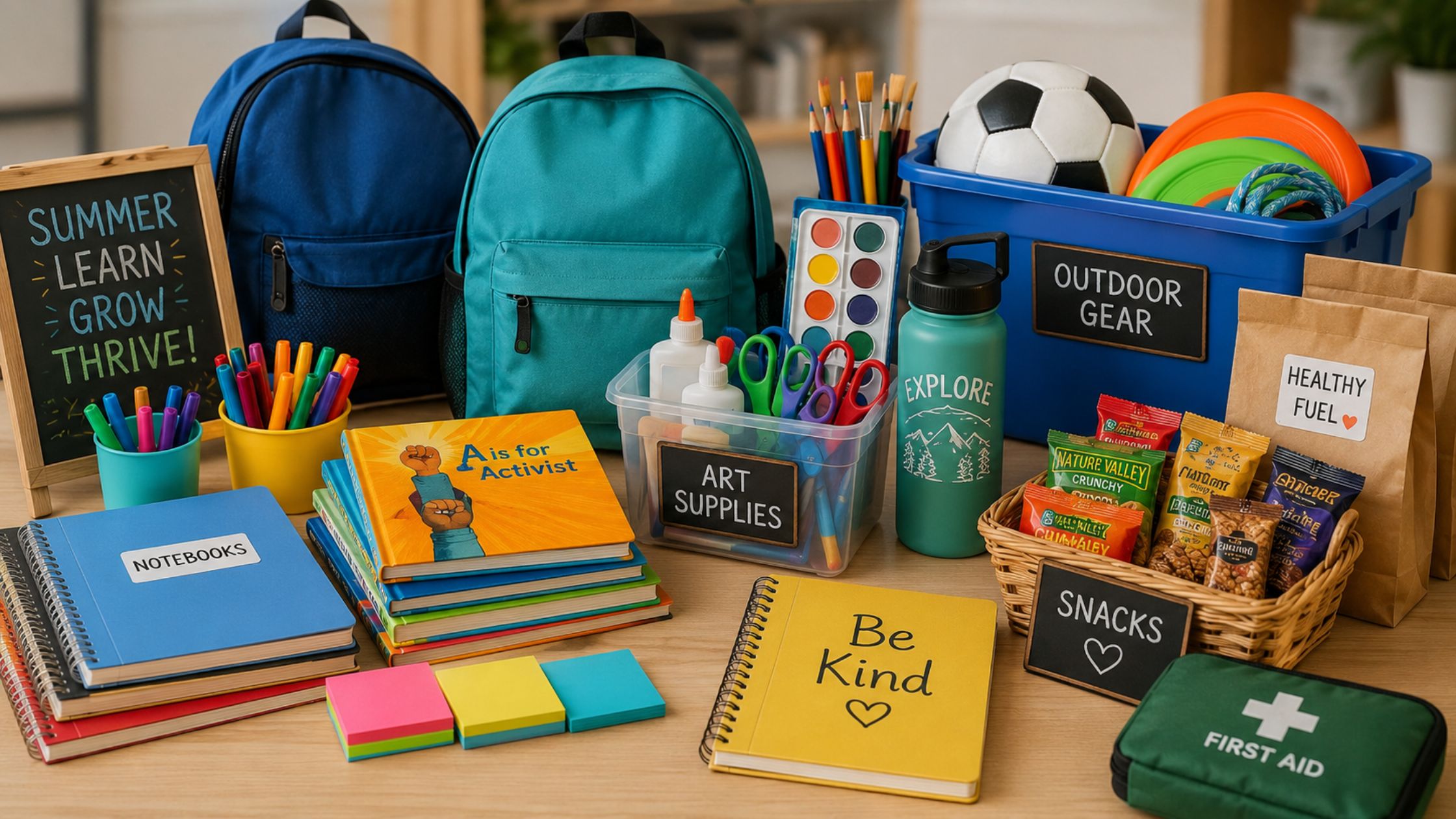
Enrichment is where confidence and joy have room to grow.
Arts, music, sports, outdoor experiences, recreation, creativity, and leadership activities help young people discover what they are good at and who they are becoming.
A summer art class, outdoor program, music opportunity, or leadership project can become more than an activity. It can become the place where a young person starts to believe, “There is room for me here.”
How Donors and Volunteers Can Help
Summer belonging is not built by one organization alone. It takes people who are willing to meet practical needs and stay connected long enough for trust to grow.
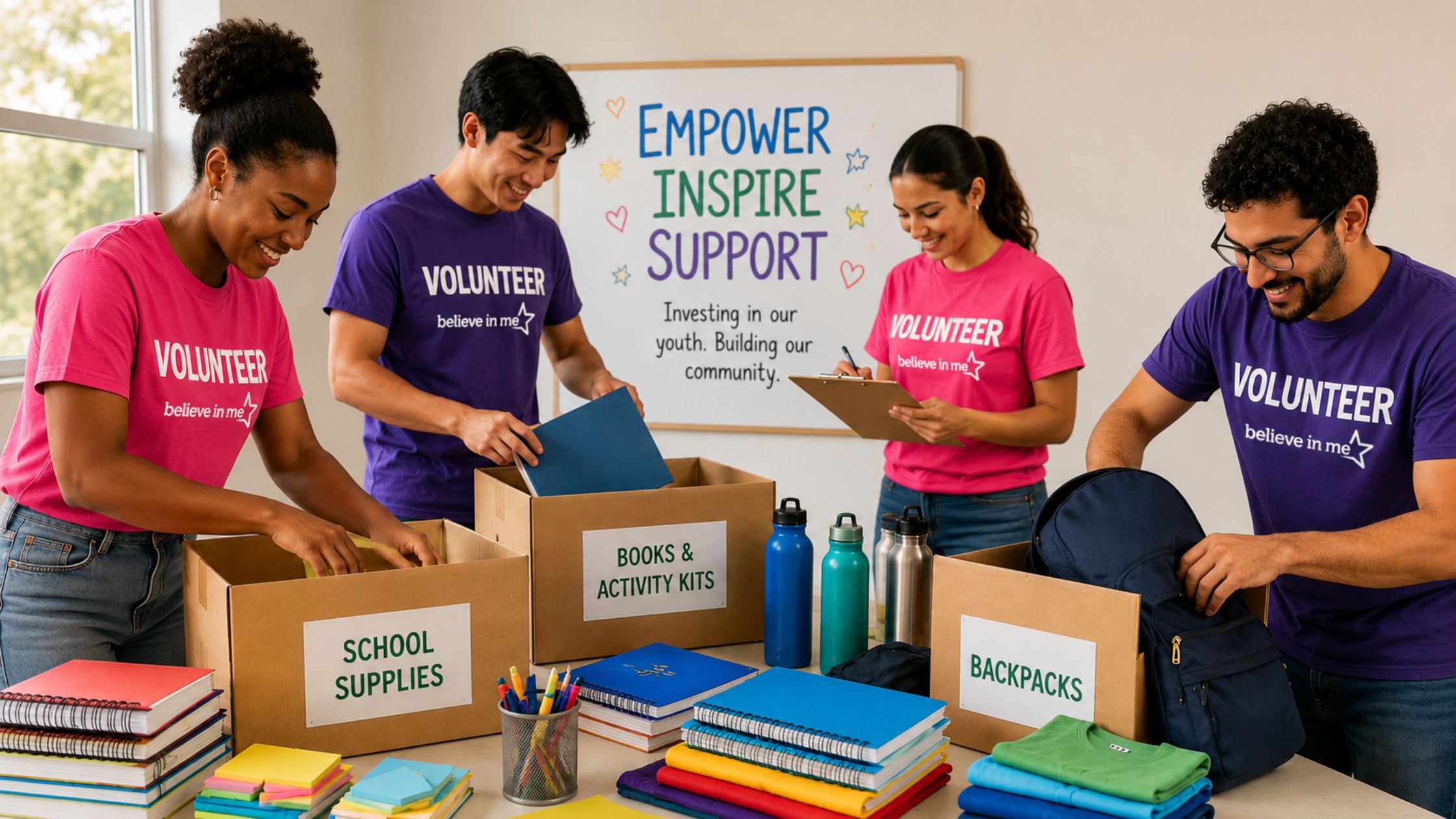
You can help by funding youth empowerment programs that address basic needs, education, belonging, enrichment, and community support. You can also volunteer your expertise through Believe in Me’s volunteer opportunities, which invite people to contribute professional skills and time to support the organization’s mission.
- Fund programs that provide meals, supplies, transportation support, learning opportunities, or enrichment access.
- Volunteer professional skills that strengthen Believe in Me’s ability to serve young people.
- Share trusted summer resources with families, caregivers, and youth-serving partners.
- Support local organizations that create safe, structured, affirming spaces during the summer.
- Ask young people and caregivers what they actually need before designing solutions for them.
- Invite others to learn why support should not disappear when school ends.
A Better Summer Is a Community Choice
The school year may end, but a young person’s need for support does not.
Summer can be a season of growth when communities make access easier. It can be a season of connection when adults keep relationships alive. It can be a season of belonging when young people are welcomed into spaces where they are safe, valued, and invited to participate.
Believe in Me is a youth empowerment nonprofit that supports underserved young people through grants, mentorship, basic needs support, and community programs. Donations are tax-deductible to the extent permitted by law, and the Believe in Me donation page lists the organization as a 501(c)(3) public charity with EIN 20-4830357.
When school ends, support should not.
Donation note: Donations are tax-deductible to the extent permitted by law. Please consult your tax advisor for guidance specific to your situation.
Frequently Asked Questions
What is the end-of-school gap?
The end-of-school gap is the loss of support some young people experience when school-year structures pause for summer. It can include reduced access to meals, mentoring, routines, learning support, enrichment, transportation, and safe community spaces.
That is why summer support should include more than academics. It should also include Basic Human Needs, Love & Belonging, Education, and Enrichment Programs.
Is summer learning loss real?
Summer learning loss, often called the summer slide, refers to academic skills or knowledge loss that can happen during the summer months when school is not in session. NWEA’s summer learning loss research review explains the issue and notes that learning patterns can vary.
Well-structured summer programs can help young people stay engaged, supported, and connected to learning while also giving them opportunities for enrichment, friendship, and belonging.
Why does belonging matter during summer?
Belonging supports mental health, confidence, and connection. The Kids Mental Health Foundation notes that belonging is closely tied to young people’s mental health and that underserved young people may be more likely to feel they do not fit in at school or in social settings.
Summer can interrupt the places where young people normally feel connected. Mentoring, peer groups, enrichment activities, affirming spaces, and consistent adult support can help young people feel seen when school is out.
How can summer programs build belonging?
Search Institute recommends practical strategies such as investing in developmental relationships, creating positive peer connections, giving young people voice and choice, building around their interests, and offering safe opportunities to explore new activities.
For Believe in Me, this connects naturally to the Five Pillars of Caring, especially Love & Belonging, Community Support, Education, and Enrichment Programs.
Why mention LGBTQ+ young people in a summer belonging article?
Belonging is not experienced equally by every young person. LGBTQ+ young people may rely on school, peers, clubs, or trusted adults for affirmation and safety. When school ends, some of those supports may become less available.
The Trevor Project’s 2024 National Survey found that LGBTQ+ young people with access to LGBTQ+-affirming spaces reported lower rates of attempting suicide than those without access to affirming spaces.
Inclusive summer support helps more young people feel safe, respected, and connected to community.
How does Believe in Me approach youth support?
Believe in Me frames youth support through the Five Pillars of Caring:
- Basic Human Needs
- Love & Belonging
- Community Support
- Education
- Enrichment Programs
This approach recognizes that young people need more than one kind of support. They need stability, relationships, learning opportunities, community connection, and room to explore who they are becoming.
Does Believe in Me operate Seattle’s Summer Food Service Program?
No. The City of Seattle Summer Food Service Program is included here as local context showing why summer meals matter.
Seattle’s data helps illustrate the scale of summer food need. Believe in Me’s Basic Human Needs pillar reflects the broader importance of practical support such as food access, stability, transportation, clothing, safety, and essential resources.
How can donors help support young people in the summer?
Donors can help Believe in Me fund youth empowerment programs that support basic needs, education, belonging, enrichment, and community connection. Gifts help strengthen the network of support around young people during summer and throughout the year.
How can volunteers help?
Volunteers can contribute professional skills, operational support, technical expertise, fundraising support, marketing help, community engagement, and other forms of capacity-building. Believe in Me’s Donate Your Expertise page lists volunteer opportunity areas and explains the application, interview, and background-check process.
Can my donation be tax-deductible?
Believe in Me is a 501(c)(3) public charity, and donations are tax-deductible to the extent permitted by law. The Givebutter donation page lists Believe in Me’s EIN as 20-4830357.
Please consult your tax advisor for guidance specific to your situation.
What should I do next?
Choose the action that fits your role:
- Donate to Believe in Me if you want to help fund youth empowerment programs.
- Volunteer Your Expertise if you want to contribute professional skills or time.
- Explore the Five Pillars of Caring if you want to understand Believe in Me’s model before taking action.