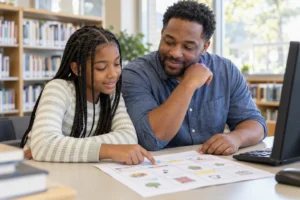
When Parents Have Fewer Resources: How Community Programs Fill the Opportunity Gap
Community programs can help families reach learning, friends, and new skills. See how donors and local partners can remove barriers.

Community programs can help families reach learning, friends, and new skills. See how donors and local partners can remove barriers.

Mental health community support helps marginalized youth build safety, belonging, and self-confidence. Here is what donors need to know.

See how a clear nonprofit case for support explains how donations are used, from donor intent to youth opportunity and transparent reporting.
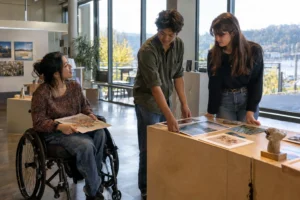
Learn how community support helps transition age youth move into adulthood with relationships, housing stability, education, work pathways, and belonging.

Learn how trauma-informed giving helps donors support youth nonprofits with dignity, consent, trust, and ethical storytelling.
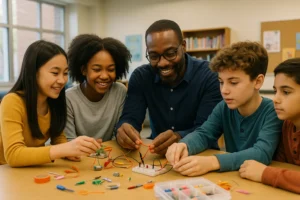
Learn why mentorship matters in youth empowerment programs and what donors should fund to make mentor relationships safe, consistent, and effective.
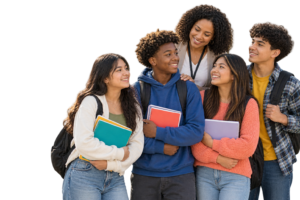
A practical, dignity-first guide to five pillars of support for marginalized youth during the school year, with belonging, education, and enrichment in view.

Independence begins with safety, stability, food, housing, hygiene, and trusted support. Here is why basic human needs must come first for marginalized youth.
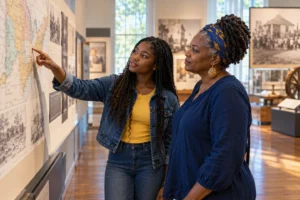
What Juneteenth can teach donors about youth empowerment: learn the history, listen to young people, and support access, dignity, and lasting opportunity.
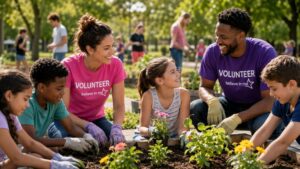
Summer belonging For some young people, the last day of school is not just the start of summer. It can also mean the sudden loss of meals, structure, trusted adults, peer connection, and safe places to be known. That is the end-of-school gap. When people search for summer support for underserved youth after school ends,