
When Parents Have Fewer Resources: How Community Programs Fill the Opportunity Gap
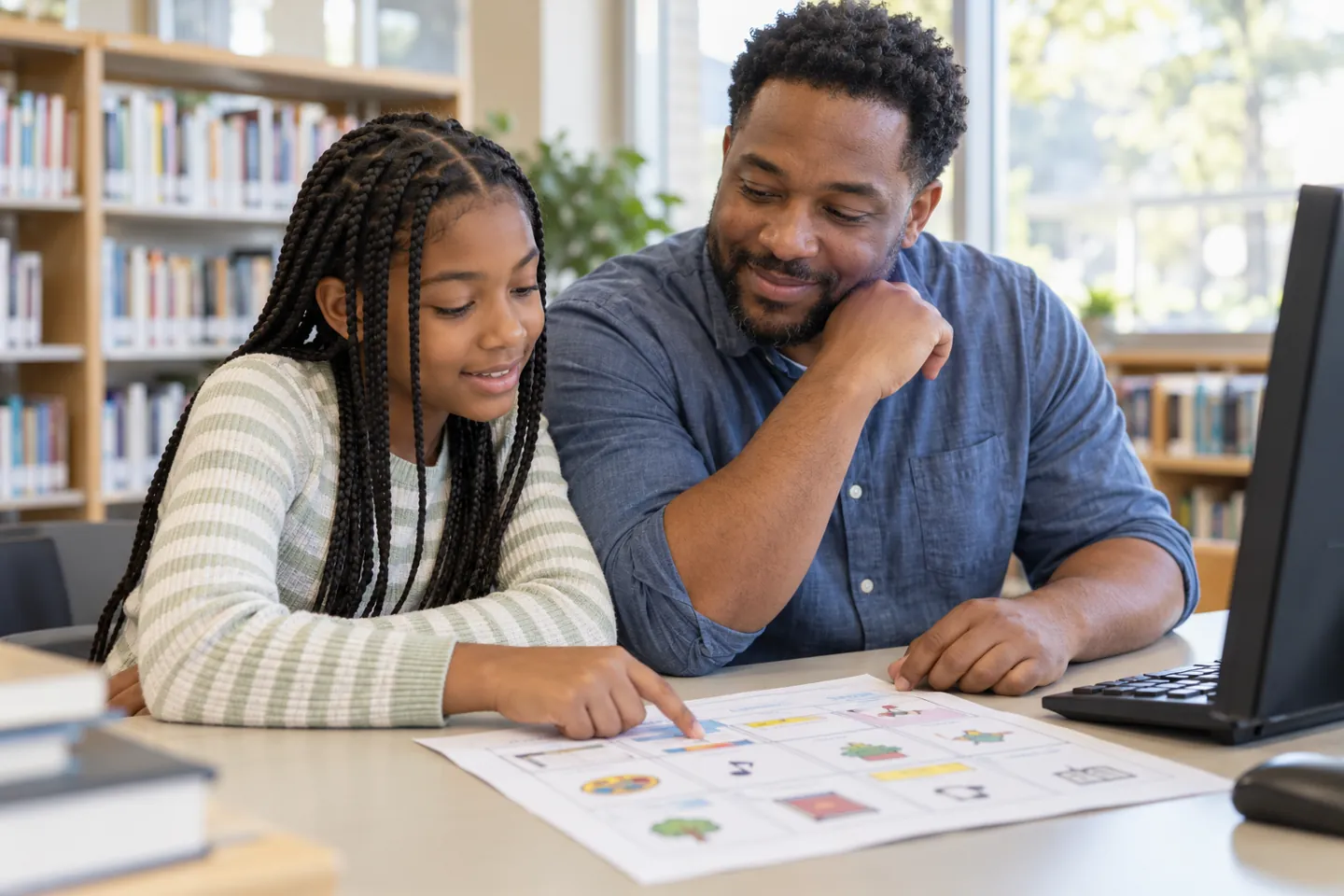
A child wants to join a club. Their parent wants to say yes. But the fee, a late bus, or the cost of supplies stands in the way. Community programs can help close that gap by making learning, friends, and new skills easier to reach.
When money is tight, love and effort are still there. Families may need more choices, better access, or a trusted person to help with the next step. For donors, the goal is simple: help young people take part in things they value.
What is the opportunity gap?
The opportunity gap is the difference in chances young people have to learn, grow, and try new things. It can come from costs, where a family lives, or a lack of safe rides. It does not measure a child’s talent or a parent’s care.
For example, two children may love science. One can join a weekly club with supplies and a ride home. The other cannot get there. A free place in that club helps only if the second child can use it.
That is why support needs to reach beyond the sign-up fee. A useful plan looks at the full path from interest to taking part.
Why community programs need to look beyond fees
Cost is a real barrier, but it is not the only one. The Afterschool Alliance’s 2025 national findings point to cost, travel, and a lack of programs as barriers for families. Families with low and middle incomes face especially high unmet demand.
However, each family’s needs are different. A caregiver may work during pickup time. A child may need a space they can move through safely. Another family may need clear details in the language they use at home.
Before offering help, a program can ask what would make it easier to attend. Then it can work with the family on a plan that fits. Our guide to safe, welcoming after-school programs offers more questions to ask.
Four ways to make the next step easier
- Lower the full cost. Ask about fees, supplies, meals, and trips. A free class may still require costly gear.
- Plan the ride. Check how a child will get there and home. Also, make sure the times fit the family’s day.
- Keep sign-up clear. Use short forms and a named contact. Offer help when a family gets stuck.
- Let young people choose. Ask what they want to try. Then offer real choices within the program’s limits.
Together, these steps can make a good offer easier to use. For example, a club could lend supplies so each child can begin on the first day. The family would not need to shop for special tools first.
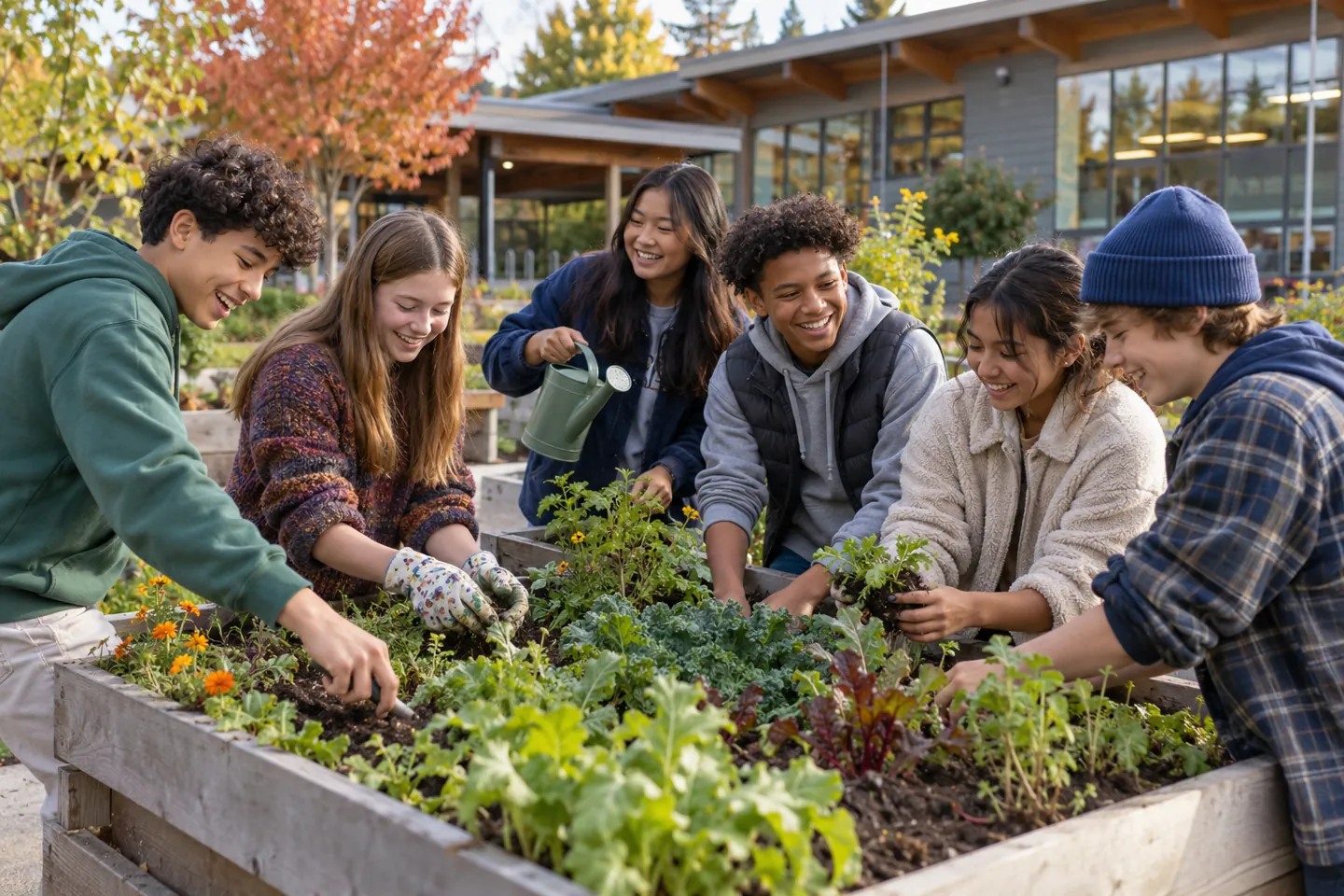
Build community programs with families
Parents know a great deal about their children. They know what brings joy, what causes stress, and what fits at home. Therefore, their views belong in the plan from the start.
A useful first question is, “What would help your child take part?” Next, ask the young person what they want to do. Their answer may be art, sports, a garden, or simply time with friends.
Also, make room for feedback after the first visit. Did the ride work? Did the child feel welcome? Was there a trusted adult to ask for help? A short, private check-in can reveal a small problem before it grows.
Families should not have to share a painful story to earn respect. Our guide to support that protects a child’s dignity explains why choice and privacy matter.
How the Five Pillars connect
Believe in Me’s Five Pillars of Caring look at more than one part of a child’s life. Each pillar helps us see a different need:
- Basic Human Needs: Food, clothing, and a safe place to live support daily life.
- Love & Belonging: Caring ties help young people feel seen and valued.
- Community Support: Trusted help can make a hard next step easier.
- Education: Tools and guidance give young people more ways to learn.
- Enrichment: Art, sports, music, and play make room for joy and growth.
For example, a child may need both a meal and a place in an art club. However, one group does not have to meet every need alone. Local partners can share the work. Our Community Support pillar includes practical help such as access to rides and support through life changes.

What donors can ask before giving
First, ask which barrier the program is trying to remove. Is it a fee, a waitlist, a lack of supplies, or a ride home? A clear answer helps connect a gift to a real need.
Next, ask how the team knows what families want. Do young people have a voice? Can caregivers raise concerns? Also, ask how staff will protect private details.
Finally, ask what the program will track. A count of donated kits tells you what arrived. It does not tell you whether children used them or felt more confident. Our guide to youth program results explains that difference.
Steady support can help a team plan ahead. Still, check its current needs before sending goods or naming a special use for a gift. This helps staff spend more time serving families and less time sorting items they cannot use.
Where families can find community programs
A school counselor, public library, or local parks office can be a good place to start. Ask about youth groups, fee help, loaned supplies, and current openings. Then check the age range, dates, and travel plan.
In Washington, Washington 211 offers free, private help finding local services, including after-school programs. You can call 211 or use its online search. Outside Washington, the national 211 network can help you find your local service.
A referral is a starting point. It does not promise a place or funding. Before making plans, confirm the program’s rules, costs, and open spaces with its staff.
Help open the next door
Community programs work best when families can reach them, trust them, and shape their experience. A child’s chance to learn should not depend only on what a parent can pay.
You can help by making a gift to Believe in Me, exploring volunteer roles, or learning about our youth empowerment work. Start with one useful step that fits your time or budget. Together, we can help more young people find places to learn, belong, and grow.
Community programs: common questions
How do community programs help close the opportunity gap?
They can make learning and new experiences easier to reach through lower costs, shared tools, and practical support. However, families also need a safe way to take part. Believe in Me’s Five Pillars of Caring offer a way to look at these needs together.
Does a free program remove every barrier?
No. A family may still need a ride, supplies, or hours that fit a work schedule. The Afterschool Alliance’s national findings show why cost and access both matter. Ask the program what help it can offer.
Where can caregivers find local help?
Start with a school, library, or parks office. In Washington, Washington 211 can help you find local services. For other areas, use 211’s national site. Then check each program’s current openings and rules.
How can donors help without giving money?
Ask which skills or supplies a nonprofit needs right now. For example, help with records or technology may free up staff time. Explore Believe in Me’s volunteer opportunities to find a role that fits. Check before collecting or dropping off items.
How can a donor tell whether support is working?
Ask what changed for the young people who took part. Then compare those results with the program’s stated goals. Our guide to youth program measures helps explain why a count of gifts is only one part of the picture.
Images are original AI-generated illustrations.