
Lights-On Learning: How After-School Programs Create Safety, Belonging, and Growth

Strong after-school programs combine clear safety routines, caring relationships, and meaningful chances to learn. For families and donors, the best starting point is to ask what a young person will experience, how adults provide support, and what makes participation possible.
The school day ends, but a young person’s need for connection does not. The hours that follow can offer time to make something, explore an interest, or talk with an adult who listens.
The Afterschool Alliance’s Lights On Afterschool celebration took place on October 22, 2026. Its annual spotlight offers a useful reminder: look beyond a busy activity calendar and ask about the quality of everyday experiences.
What should families look for in after-school programs?
Start with three questions: Will my child have dependable support? Will they feel welcome? Will they have room to grow? Then explore the practical details together.
- Safety: Who supervises the group, manages pickup, and responds when something goes wrong?
- Belonging: How do adults welcome new participants and respond to exclusion?
- Growth: Can young people choose goals, practice skills, and try again?
- Access: Do the cost, schedule, transportation, and available supports work for the family?
Together, these questions help start a conversation. However, they do not certify a provider or replace a review of its current policies.
Safety starts with clear, everyday practices
First, ask the provider to walk through a typical afternoon. Who notices when a participant arrives? How does the team confirm an absence? Who may pick up a child, and how does staff verify that person?
Next, ask about staff and volunteer screening, training, supervision, emergency contacts, and concern reporting. Also, discuss how adults respond to bullying and how a young person can seek help privately. Confirm the actual procedures with each provider.
ChildCare.gov’s school-age care resource explains the range of school and community settings families may encounter. Ask which licensing or oversight rules apply to the specific program you are considering.
For supporters, the same conversation can reveal practical needs. For example, a provider might identify staff training or more reliable family communication as a priority. Ask what it needs before offering a solution.
Belonging means every young person can take part
Belonging is more than a name on an attendance list. For example, a young person should have a way to ask questions, share an interest, and explain when an activity is not working for them.
Youth.gov’s positive youth development guidance highlights safety, supportive relationships, opportunities to belong, and skill development. These ideas help families look beyond facilities and equipment to the experience within a group.
During a visit, ask how adults welcome someone who arrives without a friend. Then ask how they include a quieter participant or handle cliques. In fact, a specific example can reveal more than a general statement that everyone belongs.
Also, invite the young person to describe what feels comfortable. Our Love & Belonging pillar offers a way to connect those everyday experiences with a wider commitment to care and inclusion.
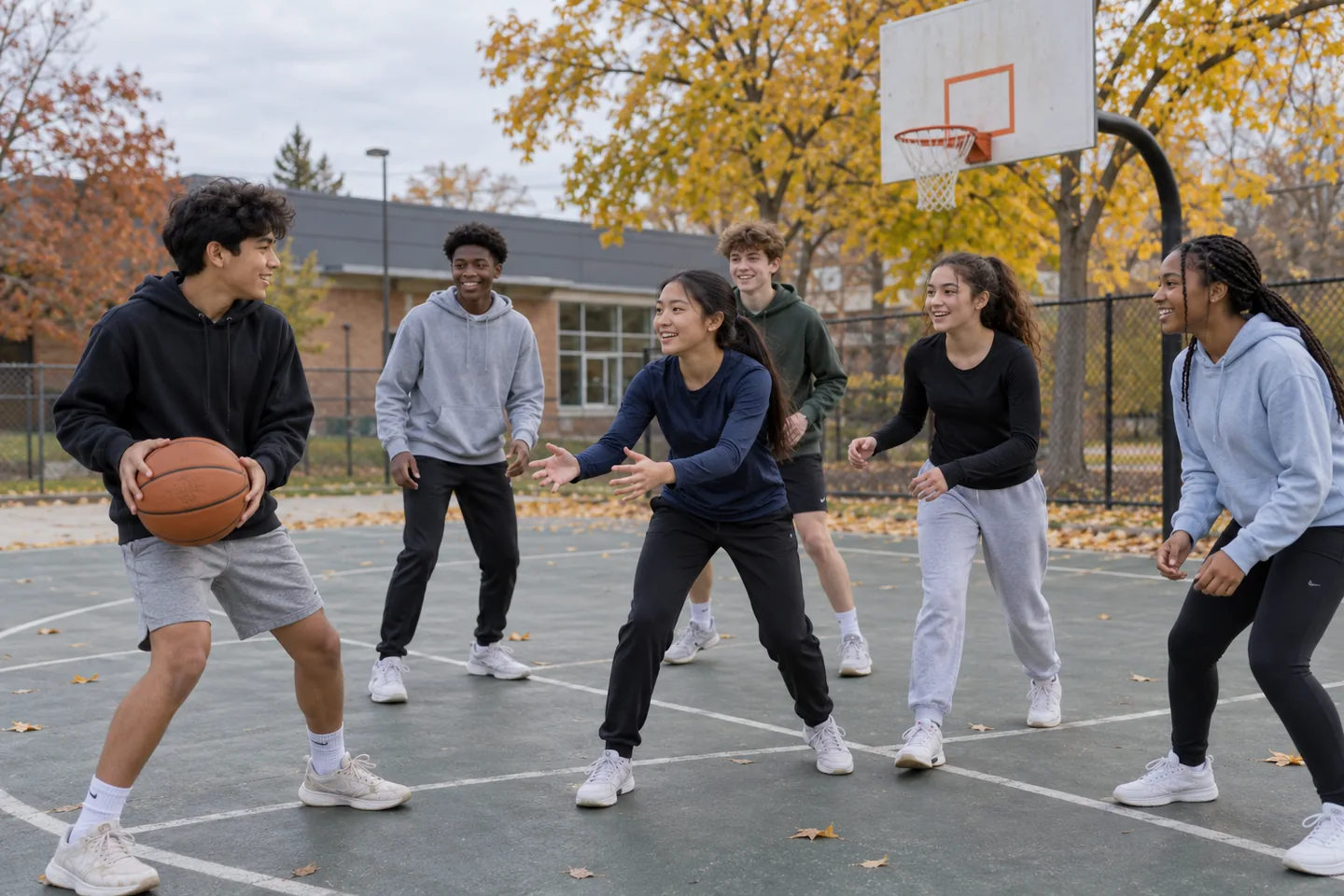
After-school programs should make room for youth choice
However, a full schedule is not the same as a meaningful experience. One student may want to make a short film. Another may prefer music, a game, quiet reading, or time to practice a skill.
Therefore, ask how participants help shape activities. Can they suggest a project? Can they choose a role that fits their interests? Do adults explain which ideas are possible and why?
Search Institute’s Developmental Relationships Framework includes listening, offering support, and sharing power. In practice, a program might invite students to choose a project theme while adults keep supervision and safety responsibilities clear.
For example, a stop-motion group could let students plan a short scene, divide tasks, and review the result. The adult could help them solve a technical problem without taking over. This is an illustrative activity, not a report of a current Believe in Me program.
Our mentorship and youth empowerment guide explores why consistent relationships belong in these conversations too.
Access turns an available activity into a real option
However, even a promising program may be hard to attend. A family might face a late bus, a work schedule that changes, an unfamiliar enrollment form, or an unexpected supply fee.
Before making a commitment, ask for the full cost and schedule. Also, discuss transportation, language access, disability accommodations, food, and any required equipment. Ask what support exists and what still needs a solution.
For donors, listen for the barrier the provider and family actually identify. A gift of supplies may not help if transportation is the main obstacle. Instead, ask which need the organization can address and how it would use support.
Our donor guide to choosing youth programs offers related questions about fit, evidence, and accountability.

Use the Five Pillars to see the whole afternoon
Believe in Me’s Five Pillars of Caring connect learning with the wider conditions young people need. Use them as conversation prompts when exploring Community Partnerships.
- Basic Human Needs: What essentials could prevent a student from taking part?
- Love & Belonging: How will a participant know they matter?
- Community Support: Who helps families navigate needs beyond the activity?
- Education: What can young people learn and practice?
- Enrichment: Where is there room for creativity, recreation, and joy?
Together, these questions keep the focus on young people. They do not imply that every provider offers every service. Confirm current priorities and available partnership opportunities with the organization.
Look for progress without asking for a perfect story
Next, ask how the program learns from participants. An original drawing, a revised project, or a reflection about a hard moment can prompt a useful conversation. Ask what changed and what the young person wants to try next.
For families, try three questions after a visit: What interested you? When did you feel comfortable asking for help? What would you change? Then make room for an honest answer, including uncertainty.
For donors, ask which measures the provider tracks and how it uses feedback. For example, attendance describes participation. Youth feedback describes experience. Neither alone proves that the program caused lasting change. Our guide to youth program metrics explains this distinction.
Finally, respect privacy. A young person should not need to share a painful story to justify support. Read our guide to giving with dignity for questions about consent and storytelling.
Support after-school programs with one thoughtful next step
Choose an action that matches your role. For example, families can arrange a visit and bring their questions. Community partners can discuss a specific access barrier. Donors can ask about a verified need before deciding how to help.
To explore Believe in Me’s work, start with our youth empowerment approach. You can also review volunteer opportunities or make a gift through our official donation page. Confirm any desired restriction before giving; this article does not establish a dedicated after-school fund.
The next useful question can be simple: How do young people help shape what happens here? Then listen to the answer together.
After-school programs: frequently asked questions
What makes an after-school program a good fit?
Look for clear supervision, welcoming relationships, meaningful activities, and practical access. Then involve the young person in the decision. Youth.gov’s guidance offers useful principles for evaluating the setting.
How can I compare two after-school programs?
Ask both providers the same questions about pickup, staffing, costs, youth choice, and available supports. Then, record what each confirms. Use ChildCare.gov’s school-age care overview as a starting resource, then check local requirements.
Does an activity guarantee better grades or confidence?
No. Results depend on the program, the participant, and many other factors. Ask what the provider measures and how it interprets findings. Our youth program metrics guide separates participation counts from broader outcomes.
How can donors help without choosing activities for young people?
Ask about current needs and how youth ideas influence decisions. Then support a workable priority that the organization can explain. Search Institute’s framework provides useful questions about listening and shared decision-making.
What was Lights On Afterschool 2026?
It was the Afterschool Alliance’s annual nationwide celebration of after-school learning, held October 22, 2026. Visit the official Lights On Afterschool page to learn about its purpose and activities. This article does not claim Believe in Me hosted an event.
Editorial note: Updated October 27, 2026 for the October 23 calendar feature. Activity examples are illustrative, not verified program offerings or outcomes. The three images are original AI-generated illustrations, not photographs of actual participants.