
A Quiet Place Counts: Making Room for Different Sensory Needs
Sensory friendly spaces give people choices about sound, light, crowds, and breaks. In a youth program, that may mean a quiet corner, clear directions, or time away from a busy game. The best place to start is to ask young people what helps them feel at ease.
A spring fair can fill a room with music, bright displays, and excited voices. One child may love it. Another may want to join but need a break from the noise. Both deserve a warm welcome.
April is Autism Acceptance Month. It is a good time to look at the choices a program offers. A welcome means more when a child can take part in a way that works for them.
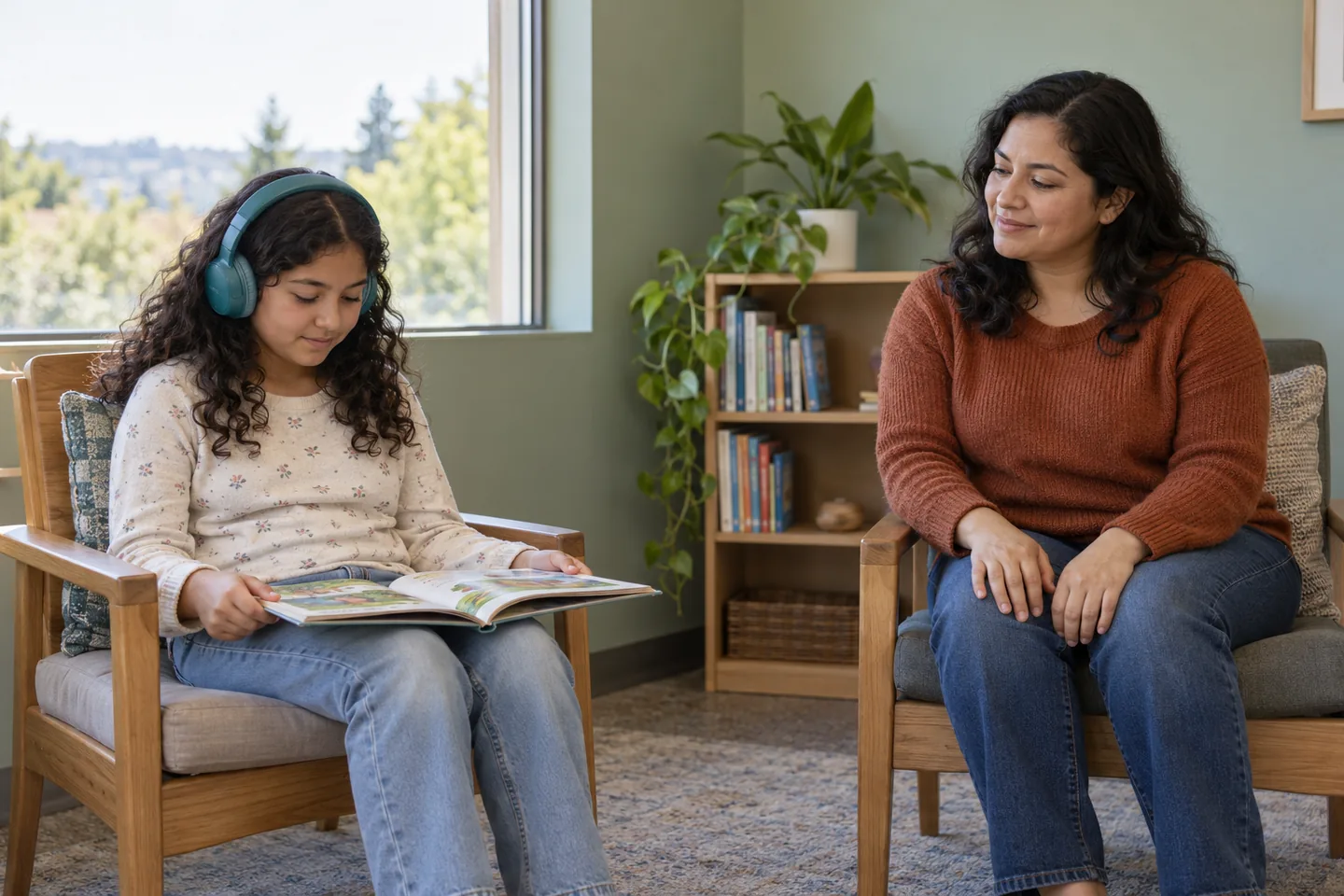
Sensory friendly spaces start with listening
No two young people have the same needs. A softer light may help one child, while another prefers a brighter spot to read. Some enjoy movement. Others want a seat away from the group.
The National Autistic Society explains sensory differences and why people may experience sounds, textures, and other input in different ways. Do not assume that one child’s needs describe every autistic child.
First, ask the young person what they notice about the room. Give them time to answer. They might speak, type, point, draw, or use a device. Then ask caregivers what has helped during past visits.
Keep the question small: Which part feels too loud? Where would you like to sit? What would make it easier to come back? Our article on bringing youth voices into community giving explores why listening should shape decisions.
The Autistic Self Advocacy Network’s event resources also put access at the center of planning. Include autistic people in the work from the start, rather than asking for feedback after every choice is final.
Make a quiet option easy to find
A quiet area should be a choice, never a punishment. Tell the whole group where it is and how to use it. No child should have to explain private health details in front of others to ask for a break.
Next, check the spot during a busy part of the day. Can you hear the loudspeaker? Does a door slam nearby? A corner that seems calm before guests arrive may feel quite different later.
The National Autistic Society’s space guide suggests lower noise, clear signs, and a place away from the main crowd. These are useful starting points to test with the people who use the room.
Start with a clear path and a simple place to sit. Keep the exit easy to reach. Also, avoid filling every surface with new objects. Ask before adding music, scent, or glowing lights. A space does not become more helpful just because it holds more things.

Plan for breaks, choice, and safe support
Before opening a quiet area, decide who will support children there. If caregivers must stay, say so before the visit. If staff provide care, use the program’s child safety rules and trained staff.
The NSPCC’s quiet-space guidance highlights this need to plan supervision. It also asks hosts to think about how many people can use the area without making it too busy.
However, a break should not turn into a demand to sit still or talk. Let the young person choose from safe options. Staff can offer help in a calm voice and allow time for a reply.
Plan a simple way to return to the main activity when the child wants to. They might watch first, join a smaller group, or choose a different task. The goal is a real choice about taking part, not a test of how long a child can stay in a busy room.
Share details before families arrive
A label such as sensory friendly can mean different things at different places. Concrete details help families decide whether a visit will fit.
For example, ChildServe’s event tips call for sharing plans ahead of time and asking guests for input. Its guidance also supports choice around touch-based activities. A child can greet someone without a hug or high-five.
Before a spring event, send a short note with useful facts:
- When louder activities will start and end.
- Where families can find a quiet spot and a restroom.
- Whether children can step out and return.
- Who to contact about a need or a change of plan.
Also, explain any limits honestly. If a room is next to a noisy gym, say so. If support requires advance notice, give a clear contact and date. Our summer camp planning guide offers more questions families can ask before signing up.
Sensory friendly spaces in the Seattle area
Local examples can help families picture the options. Pacific Science Center in Seattle opened its Sensory Lounge in 2023. The center worked with Sensory Access to create a place for guests to take a break.
Its accessibility page describes sensory resources and offers contact details for questions. Check the current page before a visit. Hours, access arrangements, and available items may change.
These examples do not mean every museum or youth program offers the same support. Ask your local library, arts group, or recreation center what it can provide. Describe the setting that works for your child instead of relying only on an event label.
How donors can support sensory friendly spaces
A useful gift begins with a need the program has confirmed. First, ask staff what young people and caregivers have requested. Then check what the program already owns and can safely use.
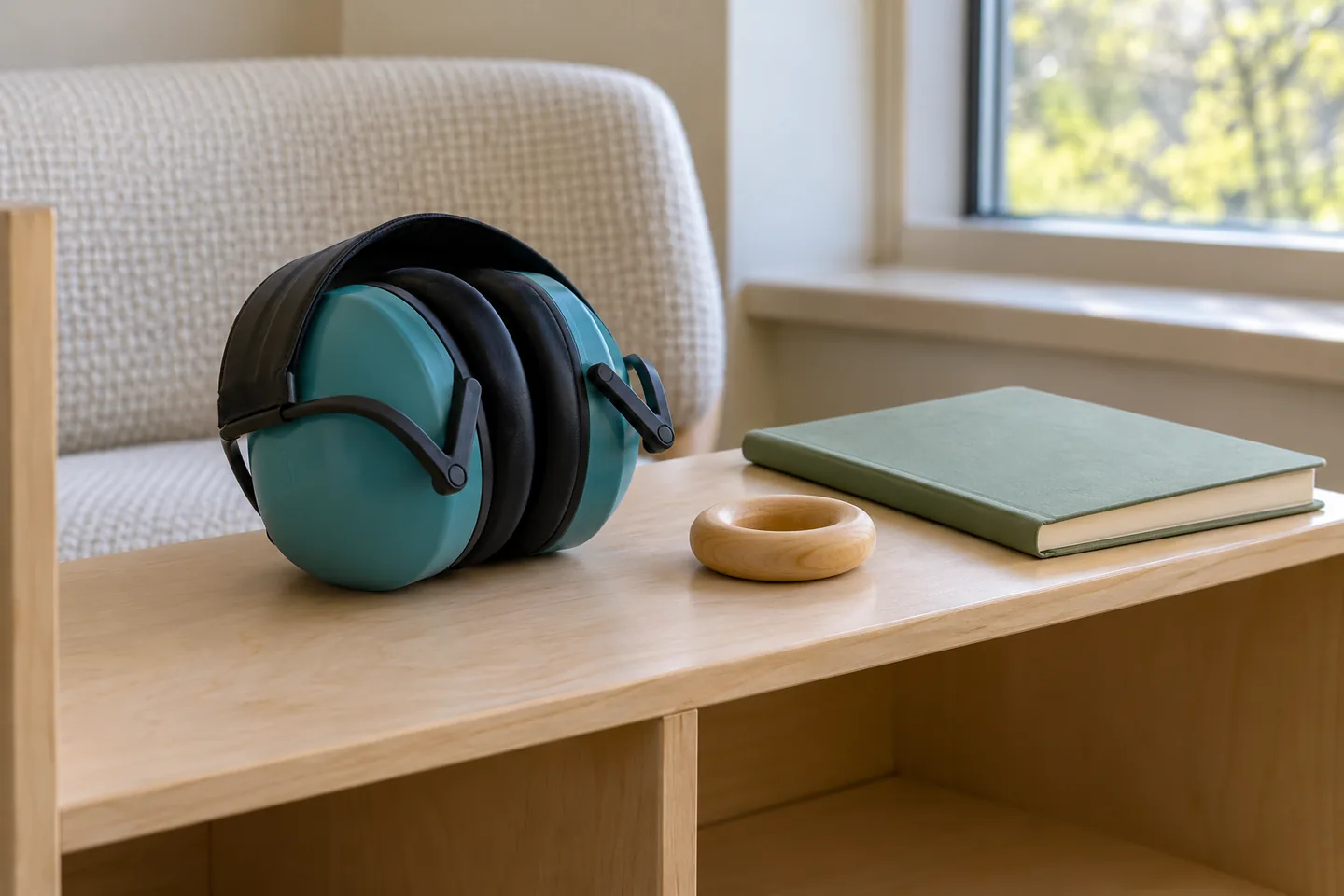
Some groups may need washable seating or spare hearing protectors. Others may need funds for staff training, clear signs, or time to gather feedback. Ask about upkeep, too. A gift needs a plan for cleaning, storage, and replacement.
Before starting a supply drive, agree on the exact items and how to deliver them. Our school and community partnership guide explains how clear roles help support reach the right place.
Believe in Me’s Five Pillars of Caring include Love & Belonging, Community Support, and Enrichment. Making room for different ways to join reflects those values.
You can support Believe in Me’s broader youth empowerment mission or ask a local youth partner about its current access needs. General gifts support the mission, rather than a promised sensory room.
Finally, check back with the people who use the space. What helped? What still felt hard? A quiet place counts most when young people have a say in how it works.
Frequently asked questions
What are sensory friendly spaces?
They are places that offer choices about noise, light, crowds, and breaks. The aim is to make taking part easier. The National Autistic Society’s guide offers examples, while each person’s preferences should guide the details.
Does a quiet space need costly equipment?
Not always. Start by asking what users need and what the program can provide. A clear sign, suitable seating, and a less busy spot may help. The NSPCC’s planning guide covers space, simple resources, and supervision.
Can a child take a break and still belong to the group?
Yes. Offer a way to step out and return without shame or pressure. Agree on a safe plan with the child and caregiver. Our youth voice article explains why young people’s choices matter.
Where can families check local sensory supports?
Start with the venue’s own access page and ask staff about your child’s needs. In Seattle, Pacific Science Center lists its access resources. Confirm details before going; a feature at one venue may not be available elsewhere.
Images are AI-generated illustrations. They do not depict actual children or families served by Believe in Me.