
A Place for Their Things: Personal Belongings and Foster Youth
Foster care donations are most useful when they fit a young person’s needs and choices. A sturdy bag, a private place for keepsakes, or a chosen book can help. Before buying, ask a foster-youth partner what it can accept and how young people help choose.
May is National Foster Care Month. It is a time to listen to youth and support the families who care for them. One small place to start is with the things a child calls their own.
A worn book may hold a memory. A sweatshirt may feel familiar. A drawing may matter more than a brand-new toy. Adults can make room for those choices, even when a move brings many changes.
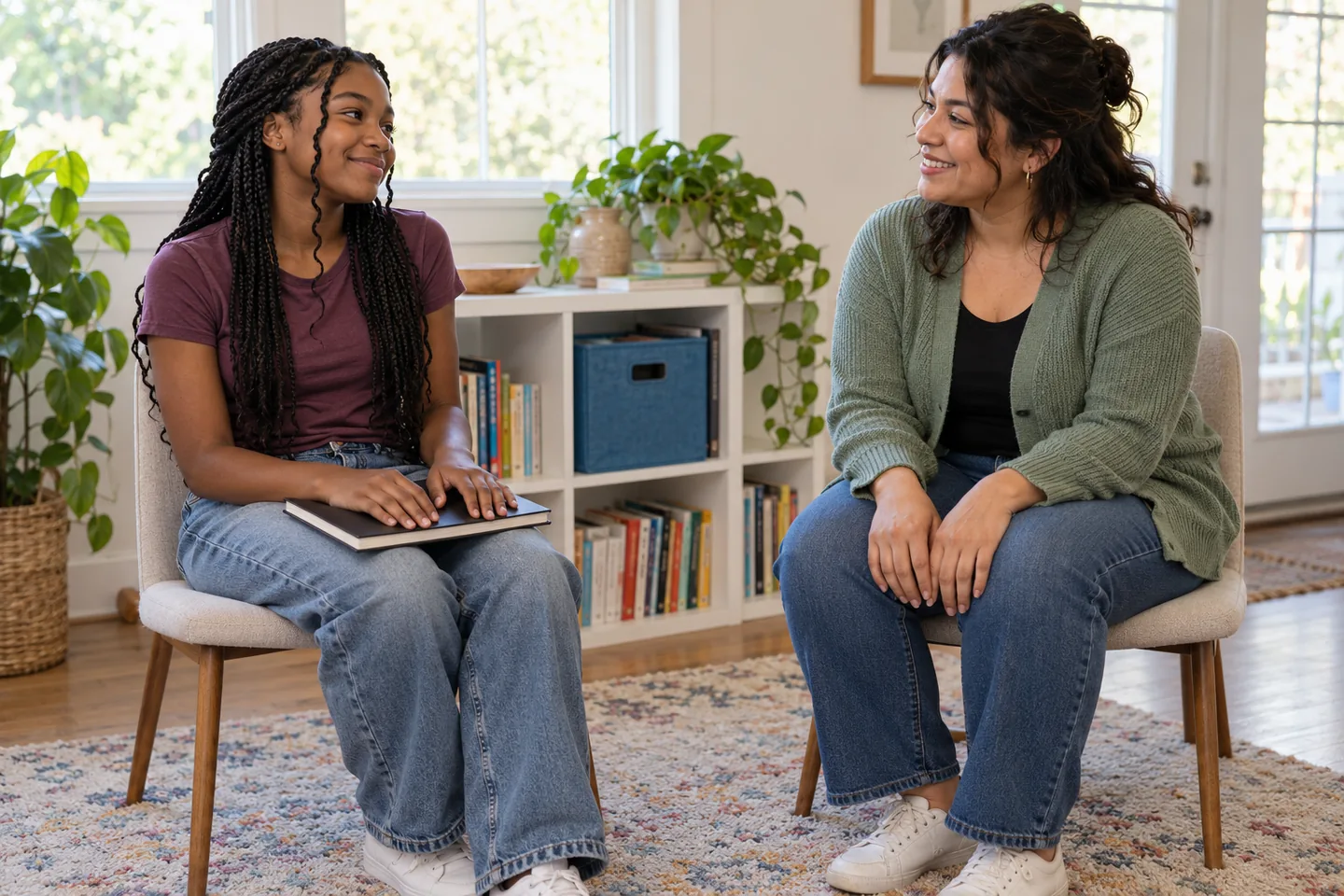
Foster care donations should start with a question
What does this young person want to keep close? That question gives a child a voice before adults fill a bag or clear a shelf.
For example, a teen may want a plain backpack that looks like a friend’s. A younger child may care most about keeping a favorite book within reach. Neither choice needs a public explanation.
Also, avoid guessing from a child’s age or gender. Offer a few useful options when possible. Let the young person choose a color, size, or style without pressure to pick what a donor likes best.
The National Association of Social Workers calls for honest dialogue and youth input in planning. Listening can shape small daily choices as well as larger plans.
Our article on keeping siblings connected when home life changes explores another part of belonging. A keepsake from a sibling can be one small link to that bond.
Choose a bag that fits the person and the move
A bag should protect the things inside and be easy for its owner to use. Check the size, handles, straps, and closures. A large suitcase may hold a lot but be hard for a small child to carry.
First, ask the receiving program which bags it needs. It may request a certain size or type. It may also have little room to store extra luggage. Confirm the details before starting a collection.
Comfort Cases, for example, provides backpacks with comfort and personal care items for youth entering foster care. Its approach shows how a bag can hold useful basics. Each organization has its own needs and rules.
Then leave room for what already belongs to the child. A donated kit should not crowd out a favorite shirt or school project. New items can add to a young person’s things without replacing them.
Finally, check that the child can find what they need. A small inner pouch may help keep loose items together. Ask before moving or sorting personal things.

Make foster care donations useful beyond moving day
Once a bag is unpacked, personal belongings still need a place. A drawer, shelf, or storage box can give each child a clear spot for their own things.
In a shared room, start with a simple agreement. Which space belongs to whom? Who may open a box? What should someone do before borrowing a book or sweater?
Caregivers can explain the plan in plain words and listen to concerns. Follow the child’s care plan and the agency’s guidance about safe storage. Do not promise privacy rules that conflict with required care or safety checks.
Also, think about daily use. A child should know where their school bag goes and how to reach items they use often. A storage box that is too high or too heavy may create another barrier.
Donors can ask partners about current storage needs. A small, requested item may fit better than a large piece of furniture. Confirm size, delivery plans, and available space before buying.
Treat keepsakes as personal, even when they look ordinary
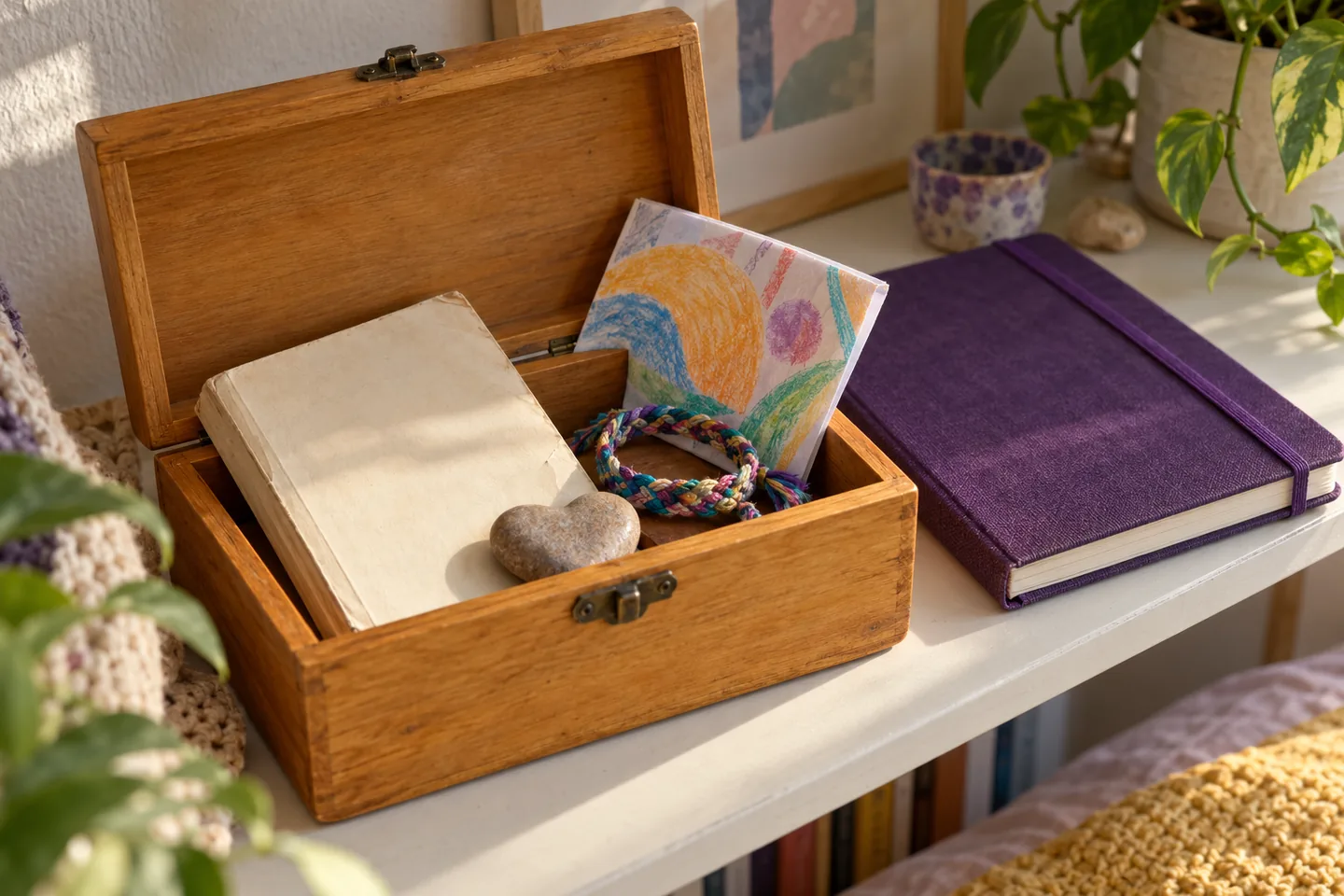
A bracelet, a note, or a smooth stone may seem small to an adult. To a young person, it may carry a story they want to keep private.
Ask before throwing away, giving away, or replacing personal items. When something needs cleaning or repair, explain what will happen. Offer choices where possible, and make a plan together.
For example, a torn drawing might fit in a simple folder. A loose book cover might need a careful repair. The goal is to care for the item, not to decide that a new one would mean more.
Photos and notes also deserve care. Do not post a child’s belongings online to tell their family story or show a donor’s impact. A child should not have to share private memories to receive help.
During a planned move, make time to check drawers and shelves together. Ask what should travel close at hand. If something is missing, tell the right care team contact so they can help follow up.
Plan foster care donations with the receiving partner
A good donation drive begins with an agreed list. Ask about the item, amount, condition, and delivery date. Then share that list clearly with everyone who wants to help.
For instance, Comfort Cases’ donation drive guidance requires new, unused items and updates its list as needs change. Check the current requirements before collecting supplies. Another local partner may need different items.
Also, ask whether a gift card or funds for a stated need would offer more choice. Use the partner’s approved giving process. A flexible gift can help only if the organization can accept and use it that way.
Keep the handoff simple. Agree on a contact and drop-off plan. Avoid arriving with extra boxes that staff must sort or store.
Volunteers need a clear role, too. Our guide to clear volunteer roles explains why tasks and boundaries matter. Sorting supplies does not give a volunteer access to a child’s private records or story.
Support belonging all year
May can open the conversation, but belongings need care in every season. Bags wear out. Children grow. Interests change, and a young person’s choices can change with them.
Ask a partner how to stay in touch about needs after a drive ends. A later gift may be more useful than another box during a busy month. Let staff set a workable pace.
Caregivers need support as well. Our article on respite support for foster and kinship caregivers explains how approved help can give families a break.
Believe in Me is a Seattle-based nonprofit that helps young people build confidence through care, community, and chances to learn and grow. Explore our Five Pillars of Caring to learn about that broader mission.
The next step can be small: ask a foster-youth partner about its current bag, storage, and personal-item needs. Foster care donations work best when adults listen first and leave room for the child to choose.
Frequently asked questions
What foster care donations are most useful?
Start with a receiving partner’s current needs. Bags, personal care items, or storage may help, but needs vary. Confirm the type, condition, and amount before buying. Comfort Cases’ donation drive page is one example of program-specific guidance.
Can I donate used luggage?
Ask the organization first. Do not assume that every program accepts used luggage or has room for large suitcases. Check its current rules and confirm that handles and zippers work. For example, Comfort Cases requires new, unused items.
How can caregivers respect a child's belongings?
Offer a clear storage space, ask before moving or discarding items, and include the child in packing choices. Follow the care plan and agency guidance. Our article on sibling connections also explores respect for the bonds a child wants to keep.
Does Believe in Me collect luggage for foster youth?
This article does not announce a Believe in Me luggage drive. Contact a foster-youth organization about its current collection needs before bringing items. Learn about Believe in Me’s wider work through the Five Pillars of Caring.
Images are AI-generated illustrations. They do not depict actual young people, caregivers, or families served by Believe in Me.