
A Good Start for Every Volunteer: Clear Roles, More Time for Kids
Clear volunteer roles explain what a helper will do, when to arrive, and who will guide them. In a youth program, they also set limits that protect kids and respect families. A warm welcome works best when people know what comes next.
National Volunteer Week begins April 19, 2026. It is a chance to thank the people who give their time. It is also a good time to ask whether new helpers have what they need to start well.
For youth nonprofit staff and business service teams, a little planning can make the first shift feel less rushed. That leaves more room for the reason everyone came: helping young people feel welcome and supported.

Volunteer roles start with a real need
First, choose work that the program needs done. A large group may offer to help, but that does not mean a large project is ready. Staff need time, space, and supplies to host the team.
The Minnesota Council of Nonprofits recommends checking a group’s ability to support volunteers before recruiting them. Its guidance also calls for clear duties, needed skills, and a time commitment.
For example, a youth club might need help setting out games before kids arrive. Another group might need someone to sort new supplies. Both tasks can serve the mission without adding a new activity to a busy day.
Then explain why the work matters. A tidy supply shelf may help staff find a game quickly. A ready room may let them greet families at the door. These small tasks deserve care, even when they happen out of sight.
Our guide to school and community partnerships explores how shared work can support students. The same idea applies here: start with the need, then agree on each person’s part.
Make the first shift easy to picture
A useful role description answers plain questions. Where will I go? What will I do? How long will I stay? Who can help if I get stuck?
For instance, a game-room setup role could include arranging chairs, checking game pieces, and returning supplies to labeled shelves. The description should also name tasks that belong to trained staff. That keeps a simple setup job from turning into a different role without notice.
Before the shift, share the entrance, arrival time, clothing needs, and contact person. Also, explain how to report a late arrival or cancel. A short message with the right details can be easier to use than several long emails.
Ask about access needs, too. A helper may need a seated task, a step-free entrance, or directions in another format. Our article on welcoming people with different sensory needs offers related ideas for a more comfortable space.
Finally, be honest about the work. If it involves lifting, noise, or standing, say so. People can make a better choice when they know what the shift includes.

Give volunteer roles clear limits
A kind person still needs to learn a program’s rules. Good intentions do not explain who may pick up a child, take a photo, or contact a family.
Nonprofits Insurance Alliance stresses the need to explain both allowed tasks and limits. Its guidance notes that some programs bar helpers from giving clients rides or inviting them home.
So, review the rules that fit the role before work starts. Use the program’s approved process for screening, training, and supervision. A donor, longtime friend, or business leader should follow the same required steps as other helpers.
Also, make privacy part of the welcome. Volunteers need to know how the program handles names, stories, photos, and contact details. A child should not have to join a photo to take part in an activity.
If a helper sees a safety concern, they need a clear way to act. Staff should explain emergency steps and any reporting duties that apply to the role. A short blog cannot replace the program’s required training.
Support volunteer roles with hands-on practice
A written plan helps, but a quick tour makes it real. Show where supplies belong, where the restrooms are, and how to find the shift lead. Then walk through the task together.
The Nonprofit Risk Management Center describes training that includes a shared welcome and practice tied to the role. It also recommends using sample situations so helpers can think through what to do.
For example, staff could ask, “What would you do if a parent asked you to share another family’s phone number?” The answer should follow the program’s privacy rules. Practicing before a busy shift gives people space to ask questions.
Next, name one person who can help during the shift. Tell volunteers how to reach that person and who covers a break. A name on a form is not enough if no one knows where to find them.
When a task changes, pause and explain the new plan. Do not assume that someone who can set up a room can also lead an activity. Each job needs the right support.
Help business teams fit the program
A workplace service day can bring energy and useful skills. However, the host group should shape the work. The best project fits what it can use and manage.
Before making plans, agree on the group size, time, supplies, and staff contact. Also, ask what costs the visit may create. Materials and staff time belong in the plan, even when the helpers give their time for free.
Some tasks may take place before or after a youth event. Others may happen away from the program site. A team can still make a useful contribution without meeting the children who benefit.
For young volunteers, confirm age limits, consent steps, and adult oversight with the host. Choose tasks that fit their age and skills. The guide to managing youth volunteers explains why these details matter.
Finally, let the host approve any public story or photo plan. A team’s wish to celebrate should fit the program’s rules and the choices of the people involved.
Thank people for the work they did
A specific thank-you shows that someone noticed. Name the task and its value: the room was ready, the supplies were sorted, or a staff member had help with cleanup.
Points of Light describes National Volunteer Week as a time to honor service. Washington also marks Volunteer Appreciation Week from April 19–25, 2026. Recognition can be public or private, based on the volunteer’s wishes.
After the shift, ask what was clear and what was hard to follow. Then use that feedback to improve the next welcome. Staff should have a chance to share their experience, too.
Believe in Me’s Five Pillars of Caring include Community Support, Education, and Enrichment. Prepared helpers can support the everyday work behind these values.
Before your next shift, review the role description and required welcome steps with the host. If giving time does not fit right now, you can also support Believe in Me’s youth empowerment mission. Clear volunteer roles and thoughtful support both begin with listening to what is needed.
Frequently asked questions
What should volunteer roles include?
Include the purpose, tasks, time, place, needed skills, limits, and staff contact. The Minnesota Council of Nonprofits’ guidance offers a useful starting point. Add the host program’s own training and safety steps.
Do experienced volunteers still need orientation?
Yes. Past experience does not explain a new program’s rules or the needs of a new role. The Nonprofit Risk Management Center’s training guide explains why a shared welcome and role-specific practice matter.
Can a business team help without working directly with kids?
Yes, if the host has a suitable task. Setup, supply sorting, or other approved work can help a youth program. Agree on the need and the team’s part first. Our community partnership guide explains the value of a shared plan.
When is Volunteer Appreciation Week in Washington in 2026?
Washington’s Volunteer Appreciation Week runs April 19–25, 2026. Serve Washington shares the state proclamation. It is a good moment to thank helpers and listen to what would make their next shift better.
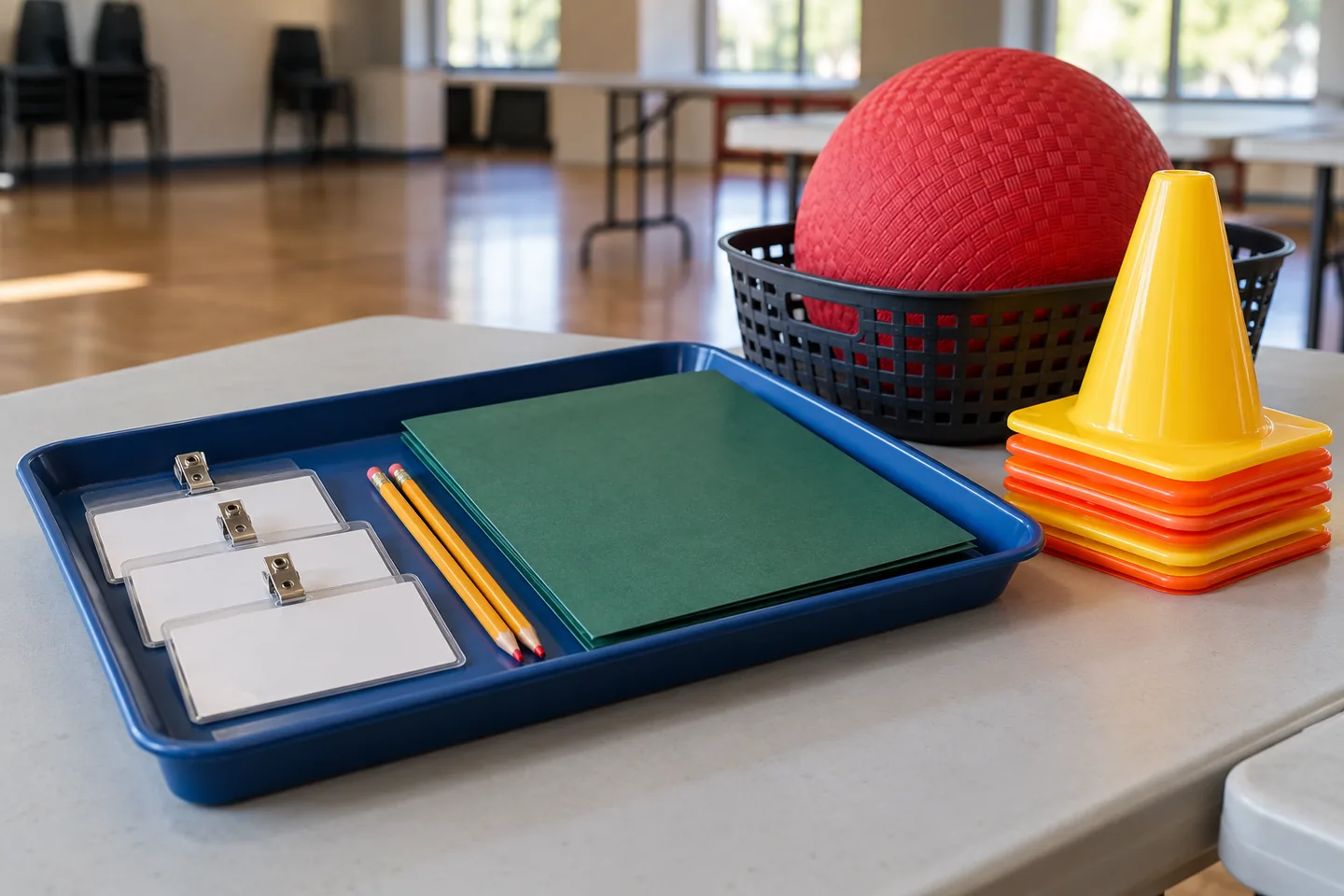
Images are AI-generated illustrations. They do not depict actual volunteers or young people served by Believe in Me.