
Labor Day and Youth Opportunity: Why Job Readiness Belongs in Education Support
Job readiness support for marginalized youth education programs is more than a Labor Day talking point. It is one of the clearest ways communities can help young people connect what they are learning now with the futures they deserve.
Every fall, adults talk about work, service, and contribution. Yet many young people are asked to imagine a career before they have transportation, housing, trusted mentors, practice spaces, or confidence to believe an employer will see their strengths. For donors and community partners, the better question is not, “Are kids ready to work?” It is, “Have we built the supports that make readiness possible?”
Believe in Me funds children’s charities that provide marginalized kids with “a safe place to call home, a family that loves them, a feeling of community, and opportunities to learn, build self-esteem, and have fun.” That mission belongs in career conversations because education support prepares young people for school, life, and opportunity.

Why Job Readiness Belongs in Education
Job readiness is often treated as something that happens after education, but the research points in the other direction. Young people need time to explore interests, build skills, practice communication, and connect classroom learning to real choices. Youth.gov’s career exploration guidance describes readiness as a blend of mentoring, assessment, individualized learning plans, job search help, soft skills, technical training, apprenticeships, and internships.
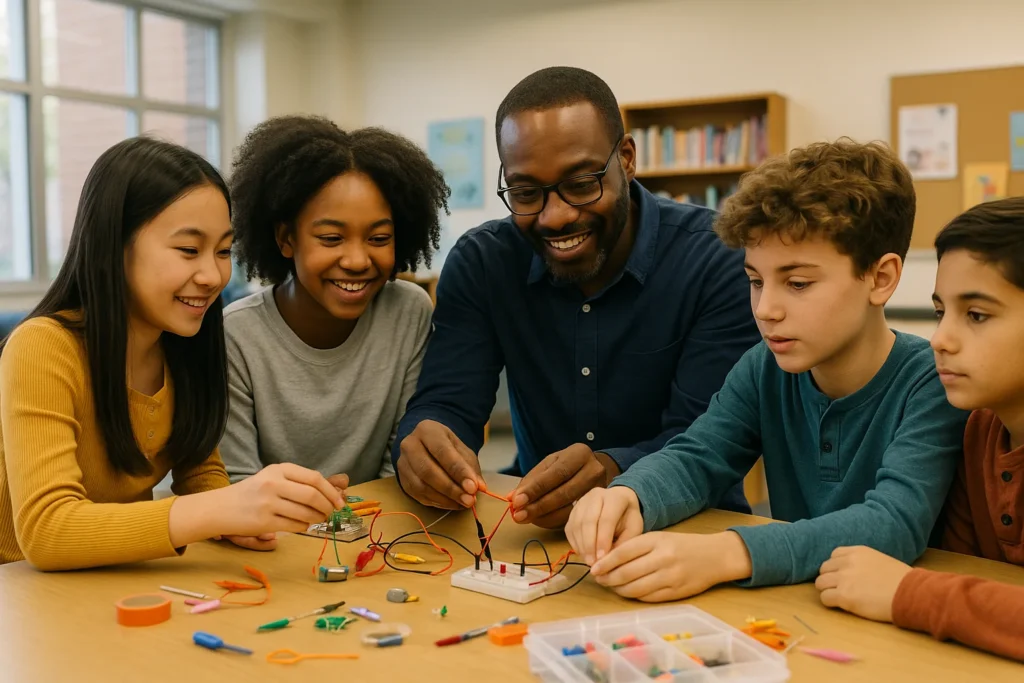
A resume workshop matters. So does a mentor who explains workplace norms, a tutor who helps a student pass algebra, a counselor who names options, or a program partner who offers a first internship. Education support gives those pieces a place to live together.
For marginalized youth, readiness cannot be reduced to interview tips. It also includes belonging, self-confidence, wellness, and relationships. When those foundations are missing, even motivated young people may struggle to stay connected to school or work.
The Labor Day Reality for Young Workers
Labor Day invites gratitude for workers, but it should also invite honesty about who gets a fair start. The U.S. Bureau of Labor Statistics reported that 53.8 percent of 16- to 24-year-olds were employed in July 2026, with a youth unemployment rate of 9.1 percent. Those numbers show that work is part of many young people’s lives. They also show why early support matters.
Summer jobs and first jobs can teach punctuality, teamwork, customer service, problem solving, and money management. They can also expose gaps. A teen may not know how to talk with a supervisor, request a schedule change, manage conflict, find documents, or recover from a mistake. Those skills are learnable when caring adults normalize practice.
This is where youth workforce development and education overlap. Programs do not have to choose between academic growth and job readiness. In strong programs, each strengthens the other.

What Marginalized Youth Need Before a First Job
A young person’s first job application may sit on top of hidden barriers. They may need identification documents, a bank account, work clothes, reliable internet, safe transportation, food, language access, disability accommodations, or a trusted adult who can help decode an unfamiliar process.
The National Academies’ report on young adulthood notes that education and employment arely linked with long-term well-being, and that young people from economically disadvantaged or minority backgrounds often face greater challenges gaining education and labor market experience. Its chapter on education and employment also emphasizes how early work and career experiences shape long-term socioeconomic paths.
That is why job readiness belongs inside Believe in Me’s Education pillar and connects naturally to the full Five Pillars of Caring. A young person learns best when they are safe. They persist when they feel loved and connected. They try new things when they can have fun, recover, and build self-esteem.
What Donors Should Look For
Donors do not need to become workforce experts to support career readiness programs. They do need to ask better questions. Look for programs that define job readiness as more than employment placement. Strong partners can explain how they help youth show up, practice, reflect, and build confidence over time.
Useful signs include mentoring, career exploration, academic support, paid or stipend-supported experiences, transportation help, employer partnerships, youth voice, and follow-up after placement. Donors can also ask how programs protect young people’s dignity. Do staff celebrate strengths? Do they avoid using hardship stories as marketing shortcuts? Do they measure growth in confidence, belonging, attendance, skill development, and next-step planning?
Evidence also supports systems change, not only individual coaching. MDRC’s Generation Work report highlights efforts to make workforce systems more responsive to young adults and attentive to equity. A young person’s readiness is shaped by the systems around them.
How Community Support Turns Skills Into Opportunity
Career readiness grows faster when community partners share responsibility. Schools, nonprofits, employers, donors, caregivers, and volunteers each hold one part of the bridge. A volunteer can run mock interviews. A business can host a job shadow day. A donor can fund transportation, tutoring, stipends, laptops, application fees, work clothes, or staff time for coaching.
Small investments can remove big friction. A bus pass may protect attendance. A meal may help a student focus. A mentor may turn a confusing application into a doable next step. A paid internship may let a young person gain experience without choosing between opportunity and family needs.
For Believe in Me supporters, this is a way to make Labor Day values visible. Donate to expand education support, volunteer where youth can practice career skills, and fund partners who help marginalized kids move from survival to confidence.
The Bottom Line
Job readiness is not separate from education. It is one of the outcomes of education support done well. When a young person can name their strengths, ask for help, finish a task, work with others, imagine a future, and take the next step toward it, the community has done more than prepare them for a job. It has helped them believe they belong in the future they are building.
This Labor Day: invest before the job offer. Fund the relationships, routines, learning experiences, and practical supports that make youth opportunity real.
Job readiness support helps young people build practical skills for work and adulthood, including communication, punctuality, problem solving, resumes, interviews, digital skills, goal setting, and workplace confidence.
Education support helps youth connect learning to future choices. Career exploration, mentoring, tutoring, internships, and individualized plans help students understand why school matters and how their strengths can lead to meaningful work.
Look for programs that combine skill practice with relationships, youth voice, equity, follow-up, and practical barrier removal. Ask how the program measures confidence, attendance, completion, mentoring connections, work-based learning, and next-step planning.
Job readiness depends on all five pillars. Youth need safety, love and belonging, community support, education, and self-esteem-building experiences before they can practice new skills with confidence.
Volunteers can offer mock interviews, career talks, resume feedback, job shadowing, tutoring, mentoring, transportation support, and encouragement. The best support is consistent, respectful, and focused on helping young people see their strengths.
About the Author
Julie Wukelic, MBA, is the Chief Change Maker at Believe in Me Foundation for Kids. She helps align strategy, technology, and community partnerships so trusted nonprofits can expand opportunities for marginalized youth to learn, belong, build confidence, and have fun.