
Girls Belong in the Room: Covering the Cost of Trying Something New
To support girls in youth programs, donors can help cover fees, supplies, and safe rides. Start with what girls want to try. Then ask a trusted program which costs stand in the way and how it can accept help.
A first robotics club meeting might spark a new interest. So might a music lesson, a nature walk, or an art class. Yet a fee due at sign-up can stop a girl before she gets through the door.
As Women’s History Month begins in March, there is room to look ahead as well as back. Girls deserve chances to explore now. With spring sign-ups near, local donors and businesses can turn that belief into useful support.
Support girls by asking what they want to try
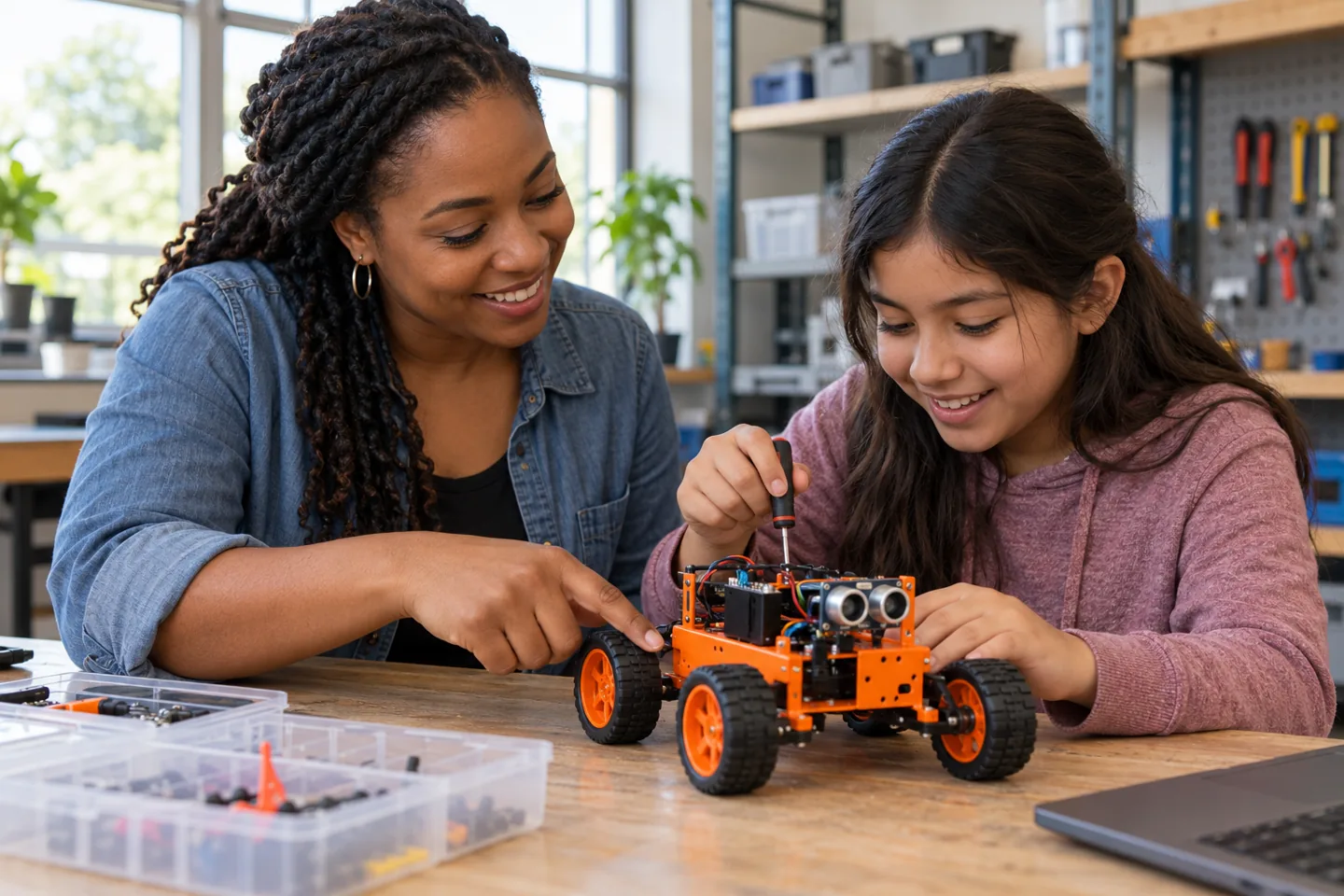
A girl’s interests should guide the choice. One may want to build a robot. Another may want to learn violin, take photos, or join a team. There is no single hobby that every girl should enjoy.
First, ask what sounds fun. Then offer a few real choices that fit her age and needs. A short visit or a chance to watch can help her decide without pressure.
Also, leave room for a change of mind. Trying something new does not have to become a lifelong goal. A girl can learn that she likes working with tools, even if one club is not the right fit.
Believe in Me’s Five Pillars of Caring connect learning, belonging, basic needs, community support, and enrichment. A chance to explore can bring several of those needs together.
Look beyond the fee on the form
The price on a flyer may not be the full cost. A class may also need supplies, a uniform, or gear in the right size. Meanwhile, a family may need a safe ride home after the last bus leaves.
Before giving, ask the program to explain the full cost of joining and staying. That helps donors support girls through the whole activity, rather than only the first day.
- Sign-up fees, dues, and required deposits.
- Tools, art supplies, or instrument rental.
- Clothes, shoes, or safety gear that fit.
- Travel to meetings, games, or lessons.
- Any later costs for trips or performances.
Next, ask which of those needs the program already covers. A club may have plenty of tools but need funds for repairs. Another may have open spaces but no way to help families with travel.
Our guide to affordable family activities also looks at the full cost of taking part. Free entry is helpful, but it is only one piece of access.

Support girls with a low-pressure first step
A beginner should not need top grades, a prize, or a polished project to earn a chance to try. Instead, programs can explain what a first visit looks like. That may include who will greet the child and what she needs to bring.
Free programs offer useful examples. Girls Who Code Clubs serve students in grades 3 through 12 at any skill level. They can meet in nonprofit spaces such as schools, libraries, and community centers.
Likewise, Girlstart After School offers free, hands-on science and math learning for girls in fourth and fifth grade. These are examples of ways to lower entry costs. Families should check each provider’s locations and sign-up rules.
A local partner may use a different model. Ask whether it offers a trial visit, loaner gear, or fee help. Also, check that the space and activity fit the child’s access needs.
Make shared supplies useful for the next girl, too
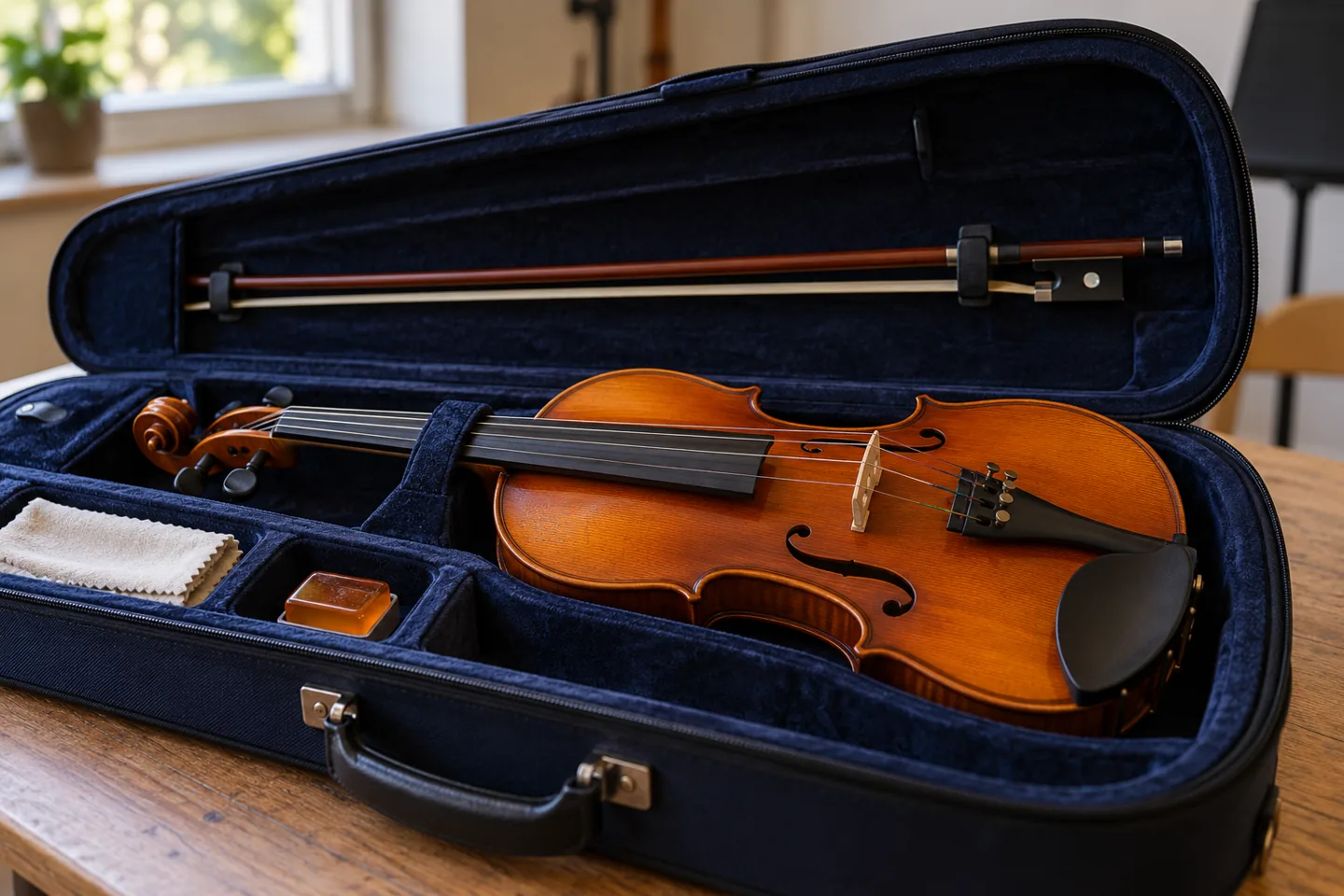
A loaner violin can serve more than one beginner over time. So can a camera or a sturdy set of robotics parts. However, a shared item only helps when someone can store it, care for it, and make it ready to use.
Before donating gear, ask staff what they can accept. Check the type, size, condition, and parts they need. An old device may cost more to repair than the program can afford.
Then ask about the less visible costs. Strings break. Batteries wear out. A case may need a new latch. Support for these small needs can keep shared gear in use.
For example, Girls Who Code’s club-host guidance names space, adult time, and technology among its needs. Free for a child still takes resources to run.
Clear roles help that support last. Our article on school and community partnerships explains why partners need a clear plan for who does what.
Support girls while protecting family privacy
A child should not have to share a painful story to receive help. Nor should she have to pose for a donor photo. A program can check a family’s needs in private and share results without names.
For donors, useful questions focus on the work. How many fees did the gift cover? Did the requested supplies arrive? Could children use the gear? What need remains?
Also, let trained staff handle requests and family contact. A gift does not give a donor access to a child. Programs should follow their own safety rules for volunteers, rides, and visits.
To support girls with dignity, ask about the process before making a gift. Clear rules protect families and help donors understand what their support will do. They also keep staff from having to invent a new process for each request.
Turn a good intention into one clear next step
Start with one youth-serving partner and one question: Which fee or equipment gap is keeping girls from joining in? Listen to the answer before choosing what to give.
Then agree on the purpose, amount, timing, and any limits. If a business offers supplies, confirm that the program wants those exact items. If it offers funds, ask how the program will use and report them.
Believe in Me works to help young people build confidence and feel that they belong. Explore our community support work or give to Believe in Me’s mission. A general gift supports that wider mission; it does not promise a specific class or piece of gear.
There are many ways to support girls. The best first step is one that meets a real need and leaves the choice of what to try in their hands.
Frequently asked questions
How can a small business support girls in local programs?
Ask a trusted program about current fees, supplies, or travel gaps. Agree on a useful gift before buying items. Our community partnership guide explains how clear roles help support reach children.
Are there free clubs for girls who are new to coding?
Yes. Girls Who Code Clubs are free for grades 3 through 12 and welcome all skill levels. Check the provider’s club options and local schedule before making plans.
Should I donate money or equipment?
Ask the program first. Funds may cover fees or repairs, while requested gear may fill a specific gap. Our family activity guide shows why the full cost matters.
Does a girl need to prove she is talented before getting help?
Each program has its own rules. However, a beginner’s chance to explore should leave room to learn and make mistakes. Girlstart’s after-school model shows how hands-on activities can make room for discovery.
Images are AI-generated illustrations. They do not depict actual children or families served by Believe in Me.