
More Than One Kind of Family: Honoring the Adults Who Show Up
An inclusive Mother’s Day gives children a choice about whom to thank and how to take part. A child might honor a mother, grandmother, foster parent, or another caring adult. They can also choose a quiet activity without telling the group why.
May brings cards, flowers, and school events. For some children, these moments are joyful. For others, they may bring questions or mixed feelings. There is room for both.
Schools and youth programs can keep the warmth of the day while making space for different families. The goal is simple: each child should feel welcome before anyone picks up a crayon.
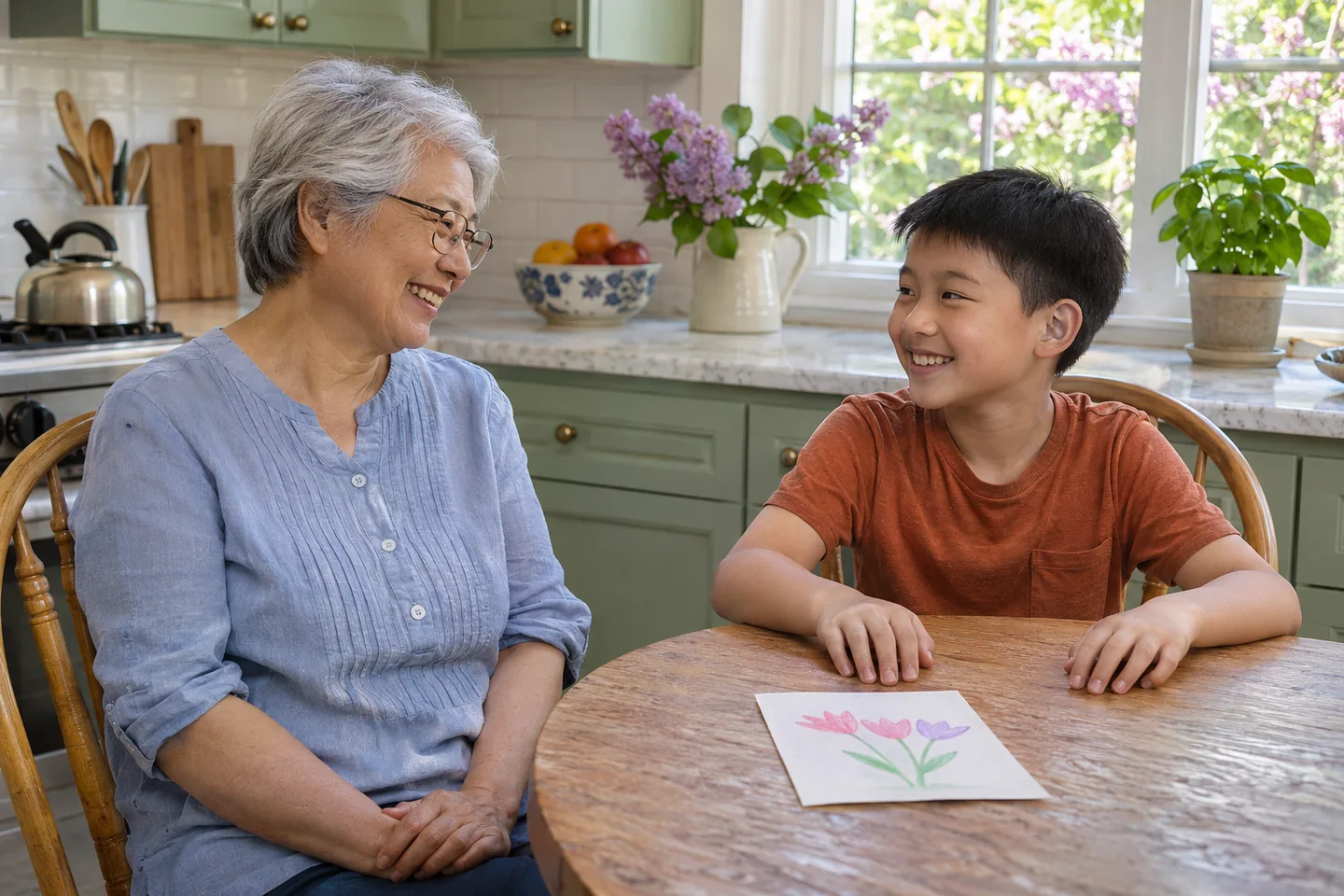
An inclusive Mother's Day starts with the words we use
Families do not all look the same. A child may live with one parent, two parents, grandparents, or other caregivers. Also, some children have close ties to adults in more than one home.
Use the names a child and their family use. Family Equality’s school conversation guide asks schools to review family language in forms, messages, and events. It also urges adults to listen to children’s wishes about their own stories.
For example, a group invitation can welcome parents and caregivers. A card table can offer blank cards alongside Mother’s Day designs. This leaves room for children to choose a name or title that feels right.
Also, avoid asking which adult is a child’s real parent. A short, friendly question about what name belongs on a card is enough. The child does not owe the room a family history.
Let children choose whom to honor
For example, a child may want to make two cards, one card, or none. Plan for those choices from the start. That way, each child has the same options.
Welcoming Schools’ guide to inclusive celebrations suggests talking about the different people who could receive a child’s card or gift. It also recommends learning the words families use for themselves.
For instance, a child might thank an aunt who helps with homework. Another might draw a picture for a mother who lives elsewhere. A teen may prefer a short note to a long public tribute.
Then let the child choose what to share. For example, an adult can offer help with spelling or supplies without reading the whole message aloud. Even a simple card can hold private thoughts.
Our article on personal belongings and foster youth explores another way to respect a young person’s choices. Small items can matter in ways adults may not see.
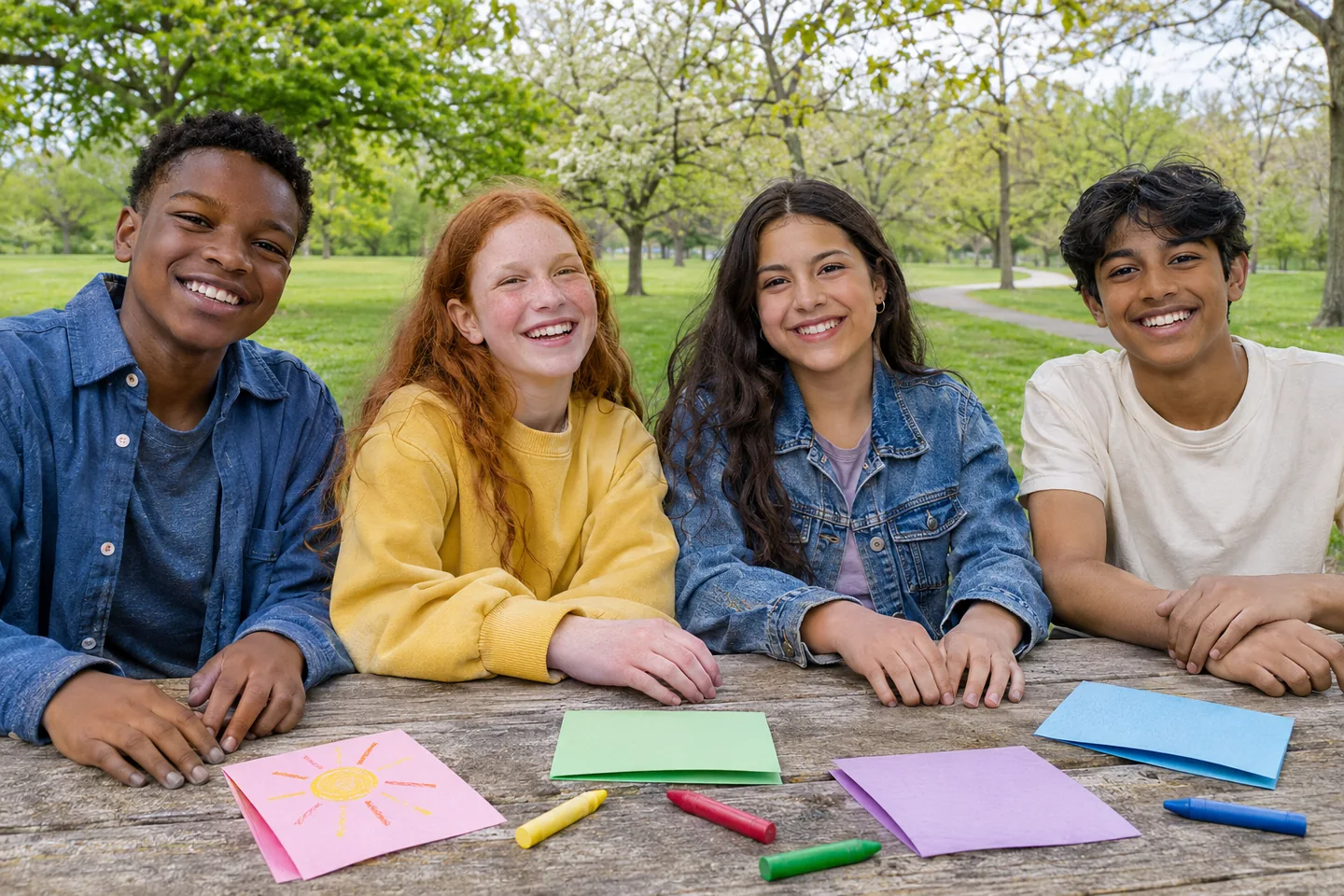
Make inclusive Mother's Day activities easy to join
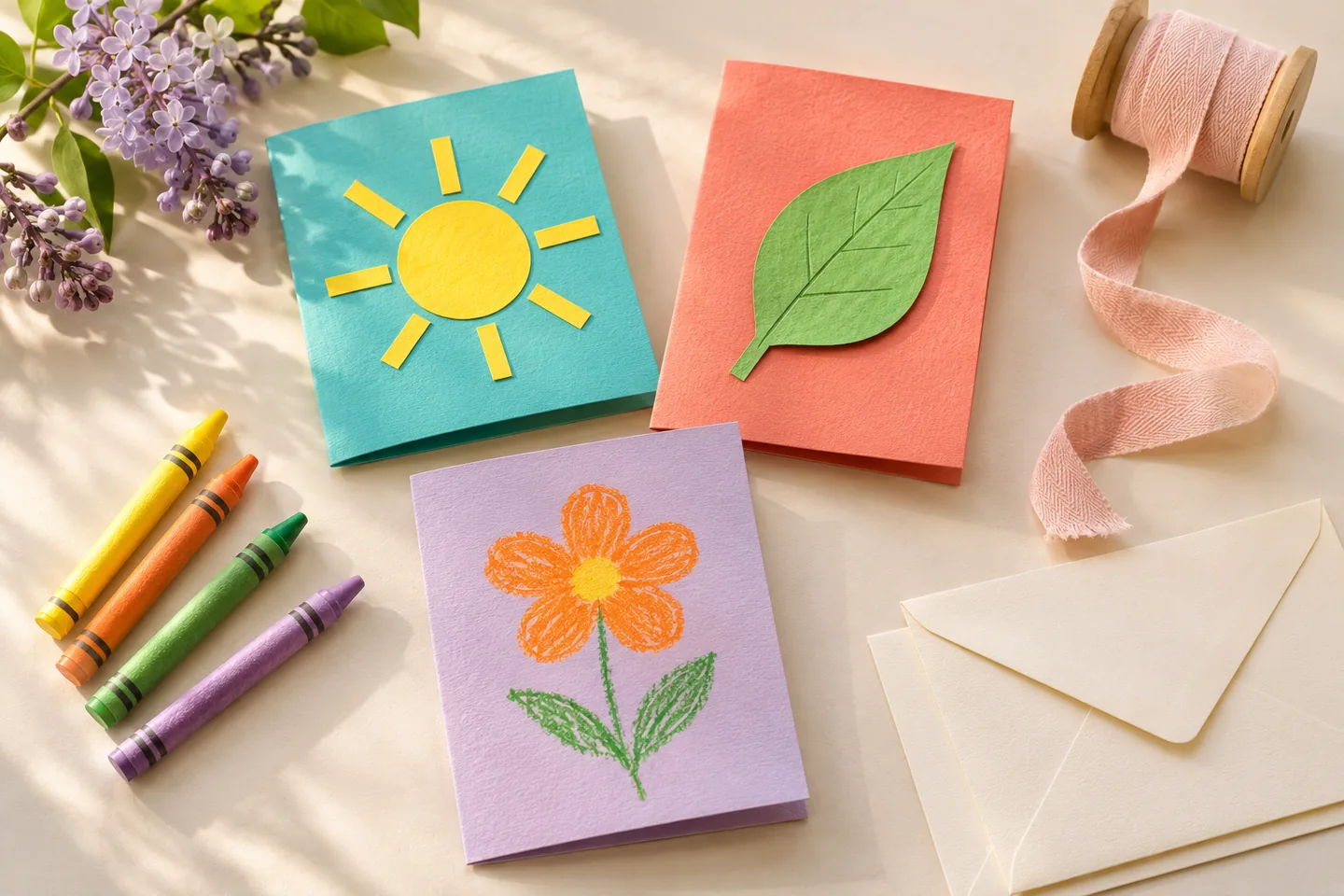
A warm welcome does not need a large budget. For example, blank cards, envelopes, crayons, and paper shapes offer ways to take part.
First, put all the choices on the same table. Children can draw, write, or use a paper shape. Offer help when they ask, and leave space for their own ideas.
Next, keep a regular activity nearby, such as a puzzle or a book. Make it available to everyone. A child who chooses it should not have to explain that choice or leave the group.
Also, think about the space. Can a seated child reach the supplies? Is there room to move around the table? Can someone take a break from noise and still feel included?
Our guide to sensory-friendly spaces in youth programs shares more ways to think about comfort and choice. Ask families what would help them take part.
Leave room for private feelings and family ties
One child may feel proud of a card and miss someone at the same time. Another may want an ordinary day. Instead, adults can listen without trying to turn every feeling into a happy moment.
Try a calm check-in before the activity. Ask whether the child wants to join, change the plan, or do something else. Then give them time to say more if they wish.
May is also National Foster Care Month. The National Association of Social Workers highlights support for kinship and foster families, family bonds, and youth input. Those themes matter during family celebrations, too.
For children in foster care, follow the child’s care plan and the care team’s guidance about contact or sending gifts. Also, a school craft should not create a new promise about a visit, call, or delivery.
Above all, avoid asking children to choose which caregiver matters most. A thank-you for one person does not need to erase a bond with someone else.
Help caring adults take part without pressure
An invite is only one part of the plan. For example, work hours or care for other children may keep an adult from coming.
Before setting the plan, ask families about practical needs through the program’s usual contact channel. Also, share the time, place, cost, and plan in clear words. Offer a private way to ask questions.
Then make a plan for children whose guests cannot come. Follow the school’s visitor and supervision rules. Staff can keep every child part of the activity without asking families to explain an absence in public.
In addition, donors can help with needs the program has named, such as craft supplies or printing. Ask before collecting items. A useful gift supports the whole group and does not depend on a child posing for a photo.
For more on respectful help, see our guide to clear volunteer roles. Adults need to know their tasks and the limits of their role.
Carry belonging beyond the holiday
An inclusive Mother’s Day can be one small part of a welcoming year. For example, that care belongs in family nights, school forms, and daily greetings.
After an event, ask families what worked and what could change. Children can share a simple idea if they wish. Also, keep these comments out of public displays and donor stories.
Believe in Me is a Seattle-based nonprofit that helps young people build confidence through care, community, and chances to learn and grow. Love and Belonging is one of our Five Pillars of Caring.
The next step can be small: give every child a choice about whom to honor and how to join in. After all, a caring adult shows up through steady, daily care as well as a special day.
Frequently asked questions
What makes an inclusive Mother's Day activity?
It offers choices about the person to honor, the activity, and whether to share. Blank cards and a regular non-holiday activity give children options. Welcoming Schools offers ideas for recognizing different families and caregivers.
Can children honor someone other than their mother?
Yes. A child may choose a grandparent, parent, or another caring adult. Use the child’s own words for that person. Family Equality’s school guide can help adults review how their messages welcome different families.
What if a child does not want to take part?
Offer another activity without asking for a public reason. Check in privately and follow the child’s lead. A calm space may help; our sensory-friendly spaces guide explores ways to offer choice.
How can donors help youth programs welcome more families?
Ask a program about its current needs before buying supplies. Support access for the whole group, and respect children’s privacy. Learn how care and connection fit Believe in Me’s Five Pillars of Caring.
Images are AI-generated illustrations. They do not depict actual young people, caregivers, or families served by Believe in Me.