
After the Bell, Before Dinner: Why a Reliable Snack Matters
After school snacks help fill the gap between lunch and dinner. Donors can support that daily routine by asking a local program what it needs, what food it can accept, and when help would be most useful.
The last bell does not mean the day is over. A child may still have a club, homework time, and a ride home ahead. A snack and a place to sit can be a simple part of a welcoming afternoon.
March is National Nutrition Month®. It is a good time to look at the work behind that snack: food, storage, staff time, and a plan for the next day.
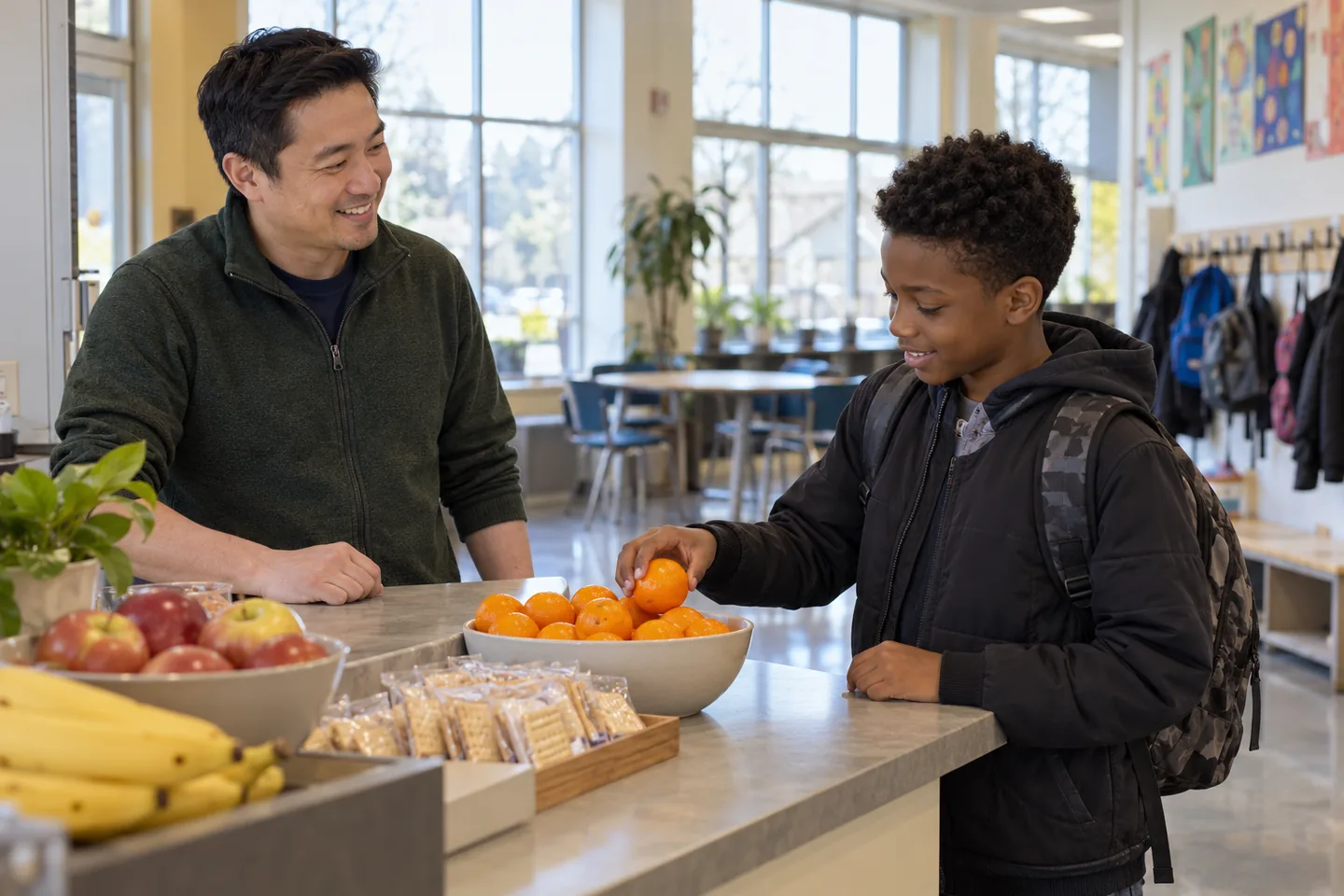
After school snacks start with a steady routine
A big food drive can fill a shelf once. After school snacks need a plan that lasts. However, children return to a program week after week. Staff need to know what will arrive and whether it matches their plans.
For example, a small business could ask about one month of needed supplies. A family could give toward a program’s food budget. The right gift depends on the partner’s needs, rather than the size of the box.
First, learn how the program already serves food. Ask who orders it, who receives it, and which days are hardest to cover. Then agree on a clear next step that staff can manage.
Believe in Me’s Five Pillars of Caring include Basic Human Needs, Love & Belonging, Community Support, Education, and Enrichment. Food and a welcoming place can connect several of those needs.
Ask what the program can use before buying
A bargain is only useful if a program can serve what you bring. Large cases may take up space it does not have. A food that needs chilling may not fit its fridge or delivery plan.
So start with a short request list from the staff. Useful questions include:
- Which exact foods or supplies do you need?
- How much can you store and use?
- Do you prefer funds, gift cards, or food?
- When can someone receive a delivery?
- Who should we contact if plans change?
Also, ask whether another donor already covers the same need. Your gift may help more with a different week or a small storage gap. Staff should have room to say no to items they cannot use.
Our guide to school and community partnerships explains why clear roles matter. One named contact can keep a kind offer from turning into extra work.
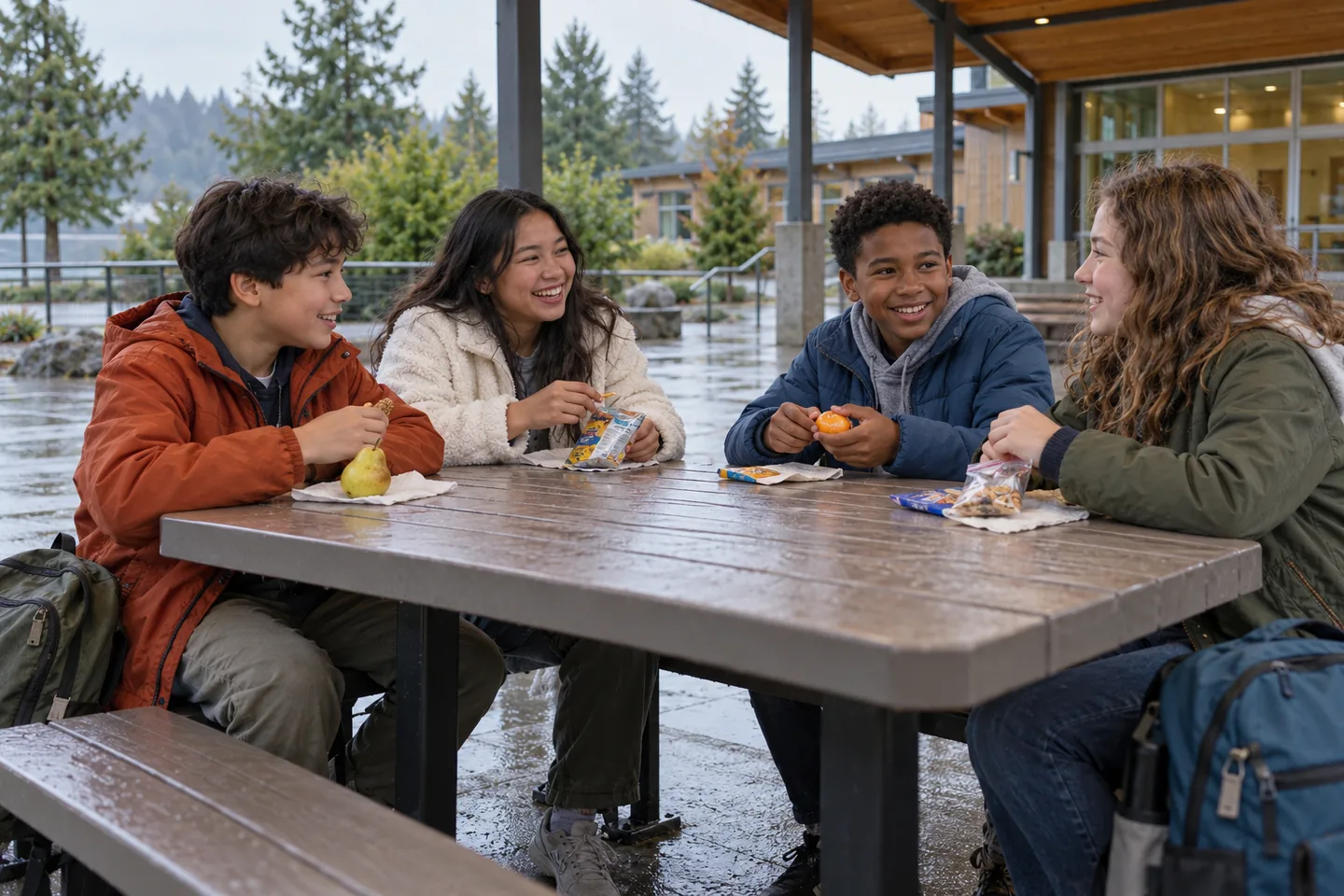
Keep after school snacks safe and suitable
Food donations need care from pickup to serving time. The FDA’s food donation guidance covers labels, intact packaging, safe storage, transport, and trained food handlers.
For packaged items, keep the original labels so staff can check the ingredients. Do not sort food into unmarked bags. Also, ask before bringing homemade food, fresh produce, or anything that needs to stay cold.
Program staff should lead choices about allergies and each child’s needs. No single food is right for every child. A donor should not decide that an item is safe based only on the front of a package.
Before shopping, confirm the program’s approved items and delivery rules. If a requested product is out of stock, ask about a substitute first. That small step can prevent waste and protect the plan staff made with families.
Make snack time a place to belong
How a program offers after school snacks matters, too. Children should not have to share a hard story in front of others to get a snack. They should not have to pose for a photo or thank a donor in public.
Instead, staff can build food into the normal flow of the afternoon. A calm welcome and a place at the table can help make the routine feel ordinary. Where possible, offer choices that fit the program’s safety plan.
Next, listen to young people. Which approved foods do they enjoy? Are packages easy to open? Does snack time give them enough time to eat? Staff can use simple feedback without collecting private family stories.
Our article on covering youth activity costs shares the same idea: meet a real need while protecting a child’s dignity and choice.
Plan beyond the food itself
A snack budget can include more than groceries. Staff may need storage bins, delivery help, serving supplies, or time to place orders. However, donors should confirm these needs before choosing equipment.
Ask about the full routine. Where does food go when it arrives? Who checks it? What happens when a delivery is late? These questions help reveal gaps that a box of snacks alone cannot solve.
Schools may also have access to public support. The USDA’s afterschool snack program helps eligible school food authorities cover qualifying snacks. Program rules apply, so staff should check with their state agency.
A donor does not need to work out those rules. Instead, ask what support is already in place and what remains unfunded. That helps gifts add to an existing plan without assuming every site has the same resources.
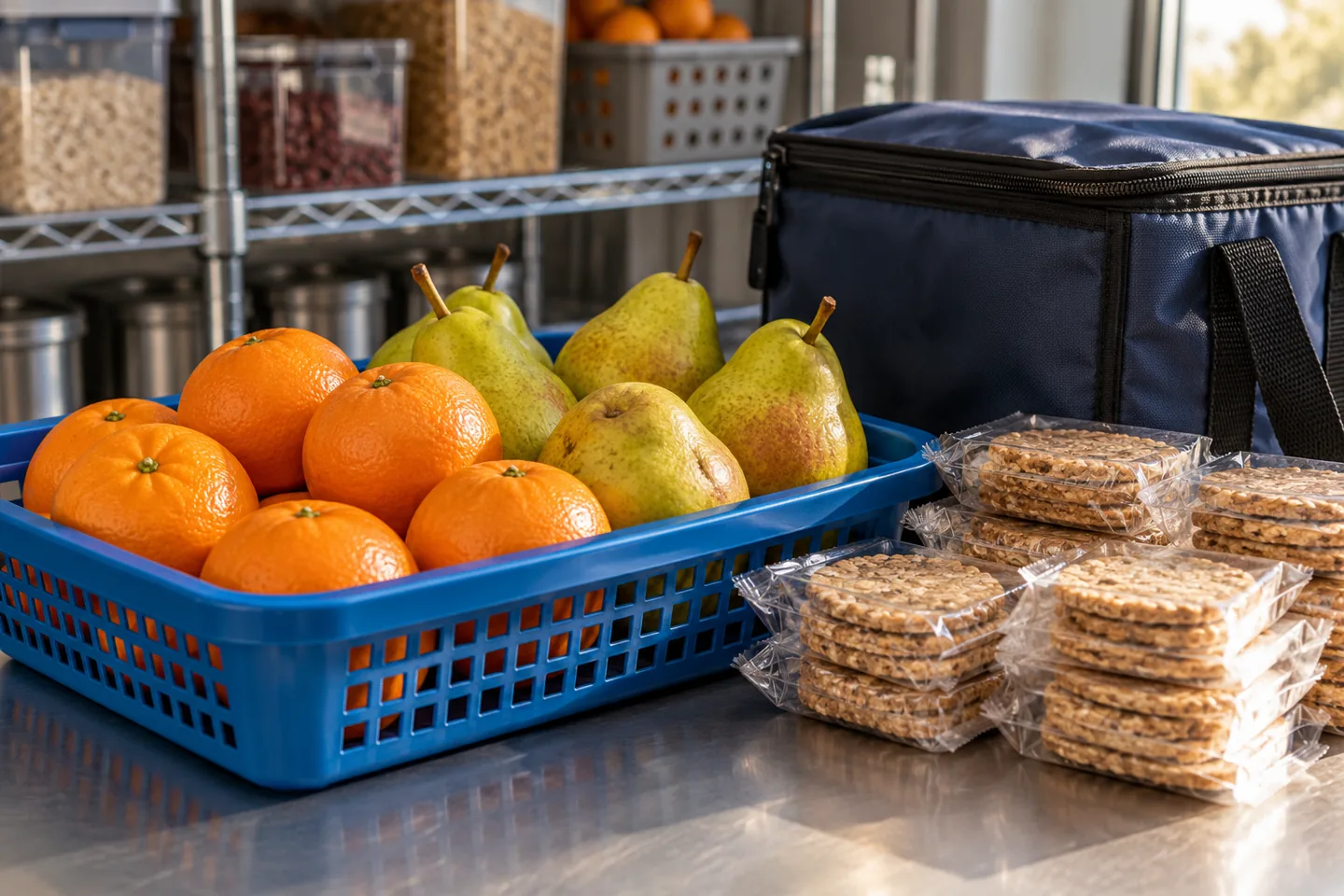
Support after school snacks one clear step at a time
Start with one local youth-serving partner. Ask what food support it can accept safely and what gap it wants to fill. Then choose a gift or delivery schedule you can keep.
For recurring help, set an end date and a time to check in. A program should know whether support lasts for one week, one term, or longer. If your plans change, give staff notice so they can adjust.
Afterward, ask a few useful questions. Did the requested items arrive? Could staff use them? What should change next time? A brief update can show what happened without naming children or sharing private details.
To support the wider mission, explore Believe in Me’s community support work or make a gift to Believe in Me. General gifts support our mission and are not a promise of food for a specific program.
Support for after school snacks does not have to be elaborate. A clear plan, the right supplies, and respect for families can make everyday support easier to sustain.
Frequently asked questions
How can a business support after school snacks?
Ask a local program about its current needs, storage space, and delivery times. Confirm the plan before buying food. Our community partnership guide can help you think through roles and follow-up.
Should I give money or donate food?
Ask the program which it prefers. Funds may let staff buy what they need, while requested food can fill a known gap. For food gifts, follow the recipient’s rules and review the FDA’s donation guidance.
Do all after-school programs receive public food funding?
No. Eligibility and program rules vary. The USDA snack program overview explains one route for schools. Providers should contact their state agency to find out which options fit their site.
How can donors help without singling children out?
Let staff manage food service and family contact. Ask for a simple program update, not names or hardship stories. Believe in Me’s Five Pillars of Caring connect basic needs with belonging and opportunities to grow.
Images are AI-generated illustrations. They do not depict actual children or families served by Believe in Me.