
New Year, Familiar Faces: Helping Kids Ease Back Into School
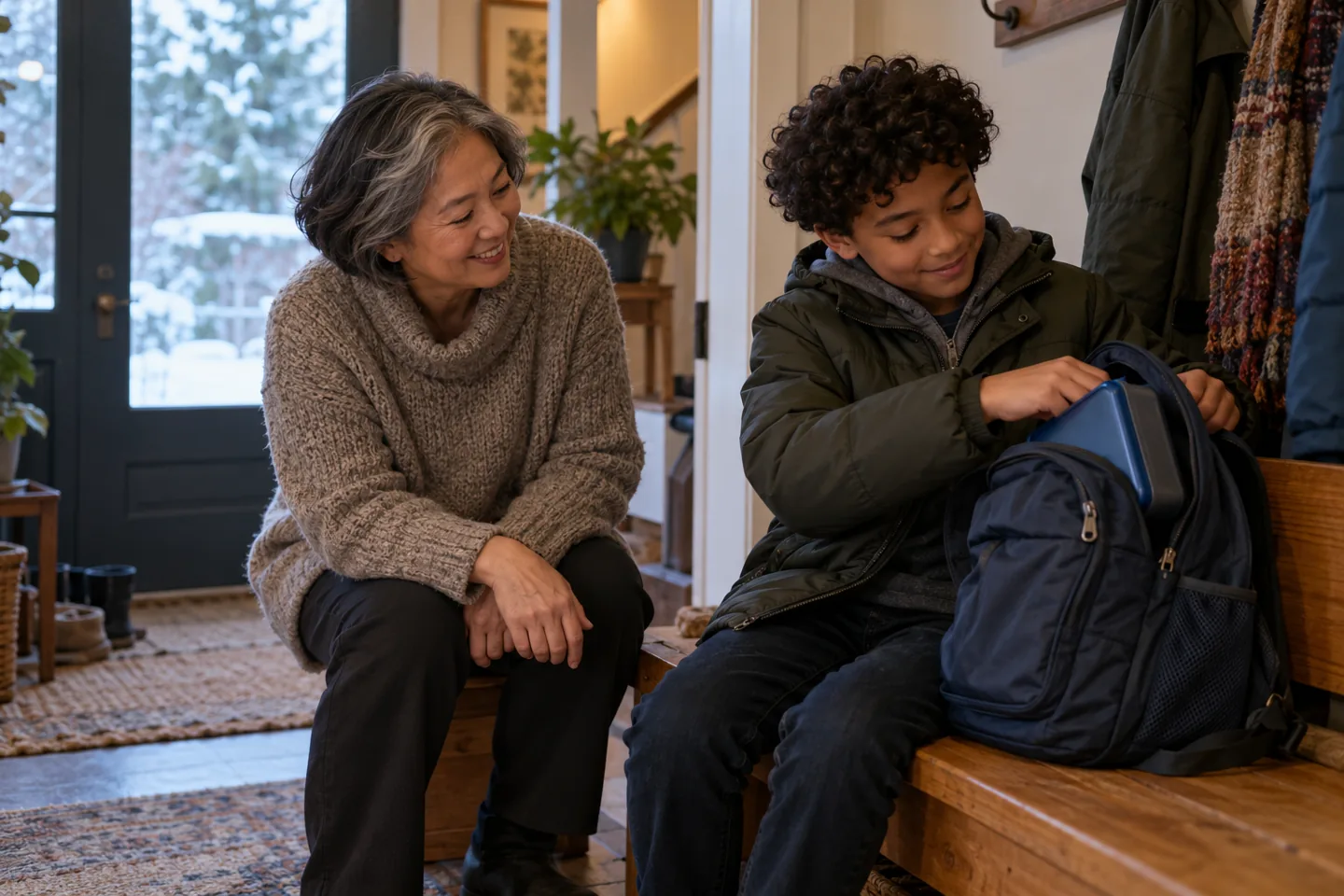
Going back to school after winter break can feel like a big change. A calm routine, a clear ride plan, and a familiar face can help children know what comes next. Start with a few small steps, then adjust them with your child.
Some kids cannot wait to see their friends. Meanwhile, others wish the break could last one more day. Both feelings deserve room. Families, youth partners, and donors can all help make the first week feel more steady.
Why familiar routines help
A routine is a short set of steps that happens in a familiar order. For example, it might be getting dressed, eating breakfast, and checking a backpack. The goal is a day a child can follow, even when life is busy.
The American Academy of Pediatrics explains that regular routines give children stability and connection. During a break, sleep, meals, and plans may shift. Returning to a familiar pattern can make the next change easier to understand.
However, families do not need a perfect schedule. A caregiver may work nights. A child may move between homes. In those cases, keeping the same order of a few steps can be more useful than setting a strict time for each one.
Before going back to school after winter break
First, check the school’s return date and start time. Then ask your child what they remember about a school morning. As a result, their answer can show where a little practice would help.
- Talk through the morning. Choose a simple order for getting ready. A younger child may like a picture list.
- Check what is needed. Look for the bag, coat, shoes, and school supplies together.
- Review the ride. Confirm the bus stop or drop-off plan. Also, explain who will help if it changes.
- Name the pickup person. Make sure the child and school know the approved plan for going home.
For example, a family could put coats and bags near the same door each night. That small choice removes one search from the morning. PBS KIDS offers checklists and first-week planners that families can adapt.
Give children a voice in the plan
Ask one clear question: “What would make the first day easier?” Then pause and listen. A child may want to find a friend, check a room number, or know who will meet them.
Next, offer a small choice that fits the plan. Would they like to pack the bag before or after dinner? Would a written list or a picture list work better? In this way, choices give children a useful role without asking them to manage everything.
Also, avoid guessing what the break was like. Some families had fun. Others faced work changes, a move, or a loss. A warm welcome does not require a child to tell a happy holiday story.
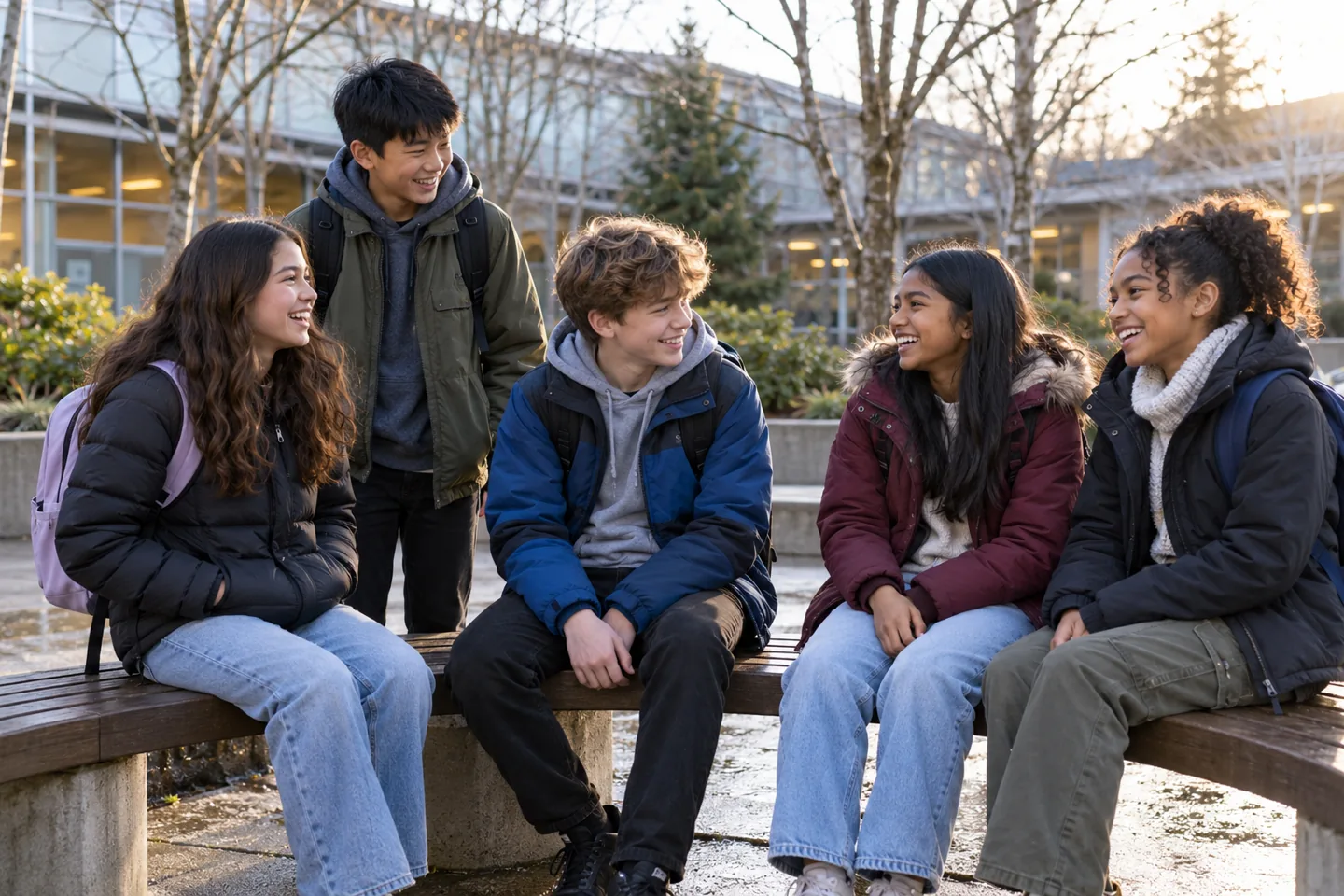
Help kids reconnect with a familiar face
A friendly greeting can be a good place to begin. Before school starts, help your child name an adult they can ask for help. That might be a teacher, counselor, or approved program staff member.
For younger children, practice a short question such as, “Can you help me find my room?” For older kids, ask whether they want help making contact. Then respect their choice about how to reach out.
Youth partners can make returning to a group easier, too. A clear welcome, a known meeting place, and a familiar activity give kids a way back in. Our guide to safe and welcoming after-school programs explores why connection matters beyond class.
Make the plan fit the child
Some children need extra time, fewer steps, or a quiet start. For example, a long list may feel like too much. Instead, try one step at a time and notice what helps.
If your child already has school supports, check in with the team about the return. For example, confirm how the child can ask for a break or reach a trusted adult. Also, keep useful details with the people who need them.
Understood’s back-to-school guide includes picture schedules, routine tips, and help talking with teachers. These tools can support a plan that fits how a child learns. If worry keeps getting in the way, a school counselor or your child’s health care provider can help you think through next steps.
Back to school after winter break: keep the first week simple
Going back to school after winter break does not need a long list of new goals. Begin with the basics. Leave room for a meal, rest, and time to talk after school.
Instead of asking for a full report, try, “What felt easy today?” Later, ask what felt hard. For example, a short check-in may reveal a missed bus message or a confusing pickup plan.
Then change one thing that could help tomorrow. Perhaps the bag needs a new place by the door. Perhaps the program needs to send the pickup details again. A hard morning is information, not proof that a child or caregiver has failed.
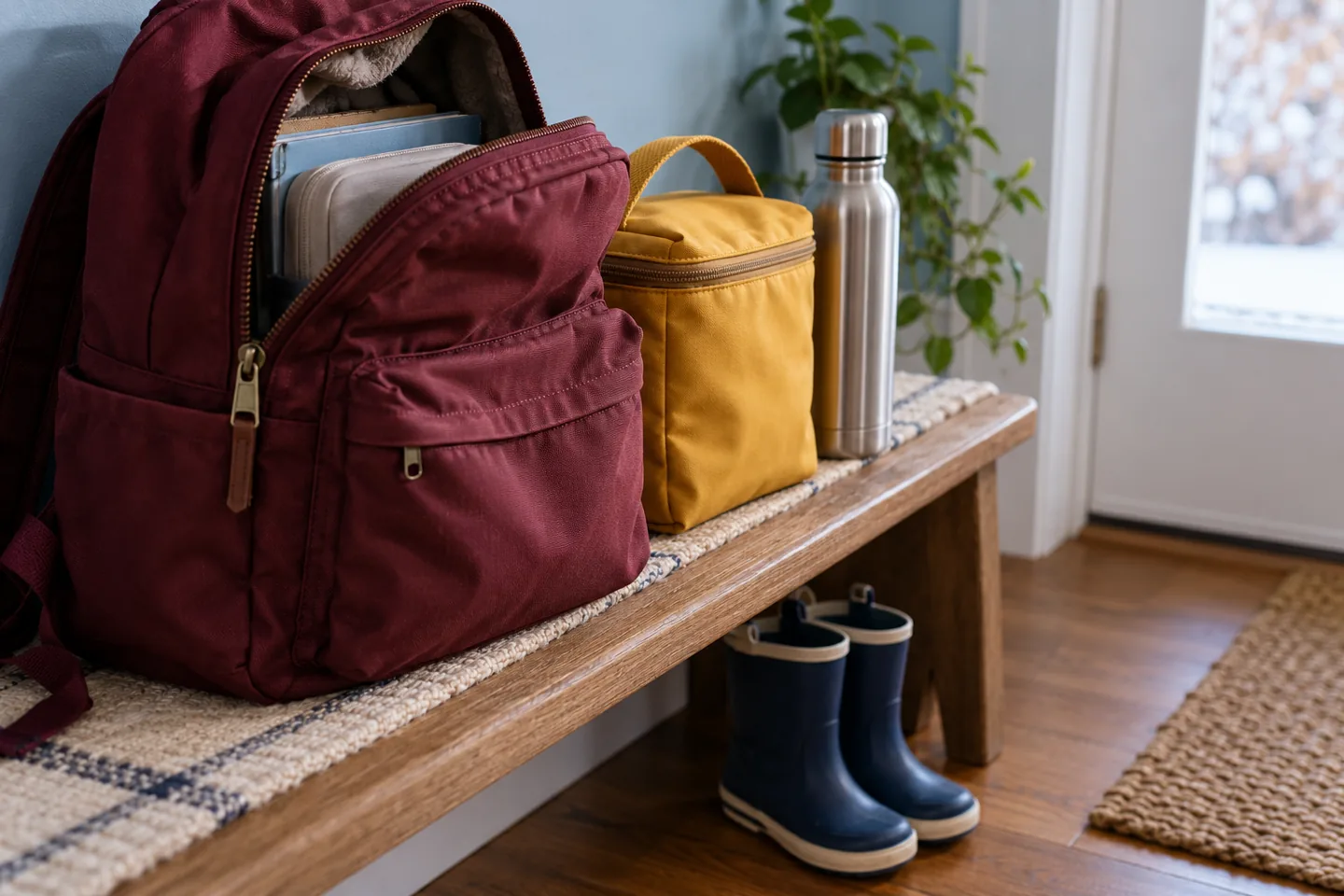
Support for going back to school after winter break
A plan works better when families have the tools to use it. A child may need a warm coat, a working backpack, or reliable care after class. However, clear advice alone cannot fill those gaps.
Believe in Me’s Five Pillars of Caring connect everyday needs with chances to learn and grow:
- Basic Human Needs: Food, clothing, and a safe place to live.
- Love & Belonging: Caring ties and a sense of being welcome.
- Community Support: Trusted help during hard times and life changes.
- Education: Supplies, learning tools, and guidance.
- Enrichment: Art, play, sports, and other chances to explore.
Our Education pillar includes school supplies and learning support among its examples. Together, these pillars help supporters see the whole child.
What donors and youth partners can do
First, ask a local partner what families need now. The answer may be supplies, staff time, or help sharing clear information. Check before collecting goods so the program receives items it can use.
Next, ask how support will reach families with dignity. Private requests and simple steps can make help easier to seek. Above all, children should not have to share painful details in public to receive care.
Finally, support steady work beyond the first day back. A reliable program gives families something they can plan around. Believe in Me’s Community Support pillar shows how practical help connects with wider youth needs.
Start the year with one steady step
Going back to school after winter break is a chance to rebuild familiar connections. A clear plan, a kind greeting, and useful support can make the first week feel less uncertain.
Choose one step that fits your role. For example, caregivers can review the morning with their child. Partners can check the welcome and pickup plans. Donors can support Believe in Me’s youth empowerment work or explore volunteer opportunities. Small, steady acts of care help children feel that they belong.
Back to school after winter break: common questions
How can I help my child go back to school after winter break?
Review a few familiar steps: getting ready, traveling to school, and coming home. Then ask what would make the first day easier. PBS KIDS planners and checklists can help you build a simple plan together.
What if our family's schedule changes from day to day?
Keep a small set of steps in the same order when you can. Share the plan with other caregivers, and tell your child about changes. The American Academy of Pediatrics’ school-break guide offers more ideas for routines and clear expectations.
What if my child needs extra support with school routines?
Start with one or two steps and ask the school team what already helps. A picture schedule or a named contact may be useful. Understood’s family guide offers tools for children who learn and think differently.
Where can Washington families find help with basic needs?
Washington 211 offers free, private help finding local services. Call 211 or search its directory for food, child care, and other needs. Then confirm current rules and openings with each provider. A referral does not promise funding or a place.
How can I support children beyond the first week back?
Ask a youth-serving partner about its current needs, or learn about Believe in Me’s Five Pillars of Caring. You can also make a gift to support youth empowerment. Steady support helps organizations plan their work.
Images are original AI-generated illustrations.