
A Bookshelf Where Black Children Can See Themselves
Books for Black children should offer joy, adventure, and a sense of belonging. A strong shelf includes Black authors and artists, many kinds of families, and stories children want to read. Just as important, kids need a real chance to choose and use those books.
As Black History Month begins in February, libraries and youth programs can take a fresh look at their shelves. History has a place there. So do silly pets, space trips, friendships, and ordinary days.
For caregivers and donors, the next step can be simple: ask a local library or youth partner what readers need. Then help meet that need in a way the partner can use.
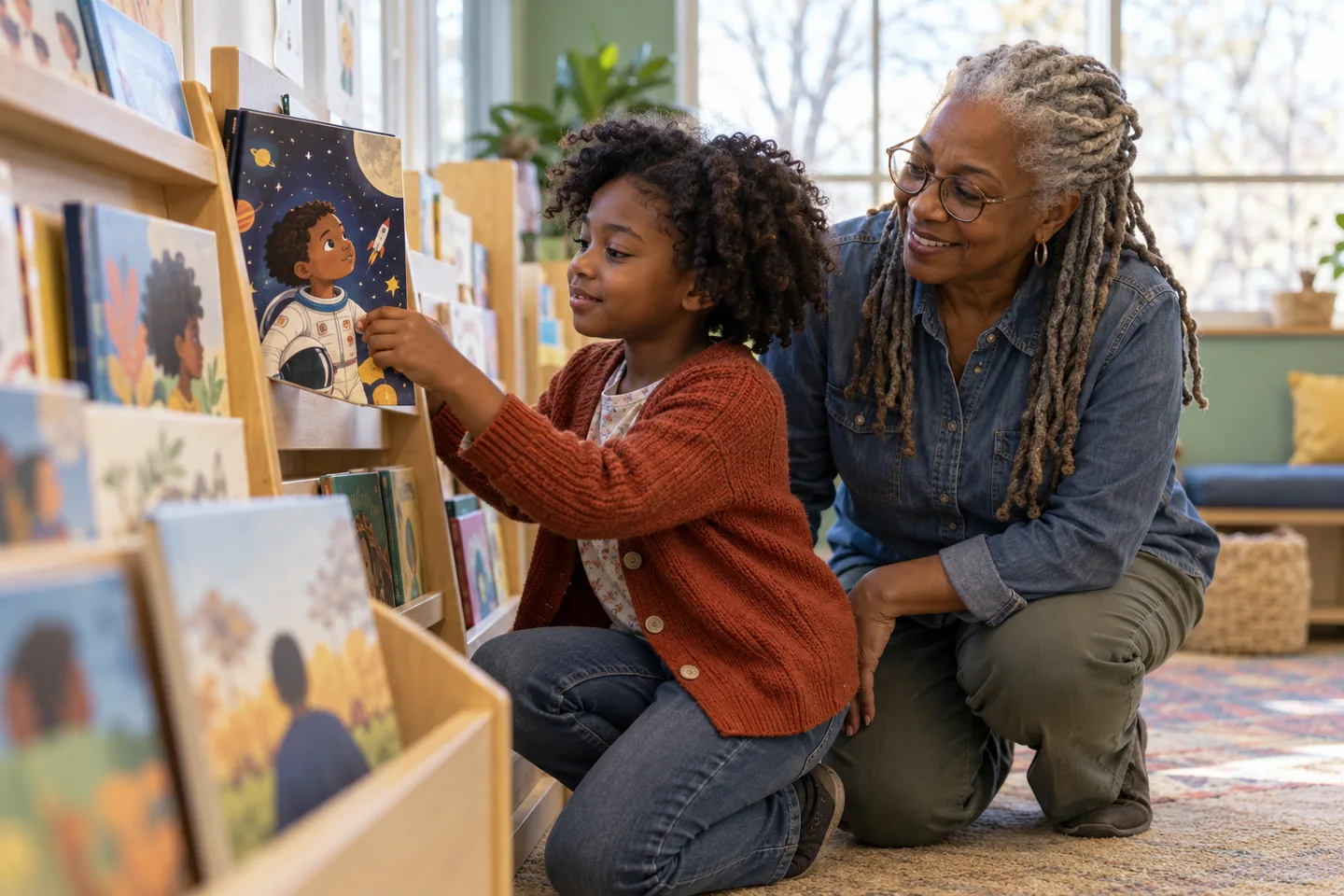
Books for Black children can hold a whole world
A child may notice a character’s curls, skin tone, or family meal. That familiar detail can make room for a thought: someone like me belongs in this story. However, no single book can speak for every Black child.
One reader loves mysteries. Another wants facts about sharks. Meanwhile, a younger child may ask for the same funny picture book each night. Their tastes deserve as much care as their reading levels.
For that reason, a welcoming shelf offers a wide mix. Black characters can solve puzzles, make mistakes, build things, and share a joke. Also, children of every background can enjoy these stories and meet lives beyond their own.
This approach fits Believe in Me’s Five Pillars of Caring, which include Education, Love & Belonging, and Enrichment. A book can bring learning, connection, and fun into the same moment.
Start with Black creators and trusted book guides
First, look at who wrote the words and made the art. A shelf with Black characters should also make space for Black authors and artists. Their work spans many styles, ages, and topics.
The American Library Association’s Coretta Scott King Book Awards recognize books for children and teens by African American authors and illustrators. The award lists offer one starting point. Next, a children’s librarian can help match a title to a reader’s age and interests.
For families in the Seattle area, King County Library System offers a staff list of African-American heritage books for kids. For example, it includes Your Name Is a Song by Jamilah Thompkins-Bigelow. The story follows a girl and her mother as they explore the beauty of names.
Before buying a batch of books for Black children, check the partner’s wish list. Some groups need board books. Others need books for older readers or extra copies of a favorite. Also, check local borrowing options and current availability.
Let children help shape the shelf
Next, give young readers a useful choice. A small set of books can make browsing easier than a long list. Children might point to a cover, name a favorite subject, or ask for another book in a series.
However, they should not have to explain their identity to earn that choice. A child can pick a dragon story simply because dragons are fun. Likewise, a quiet reader can share a choice without speaking to a group.
After a few weeks, ask what they want more of. Then show them how their ideas changed the shelf. Our article on youth voice in community giving explores why that follow-through matters.
Adults still guide age fit and care for shared materials. At the same time, children can have a real say in what fills their reading space.
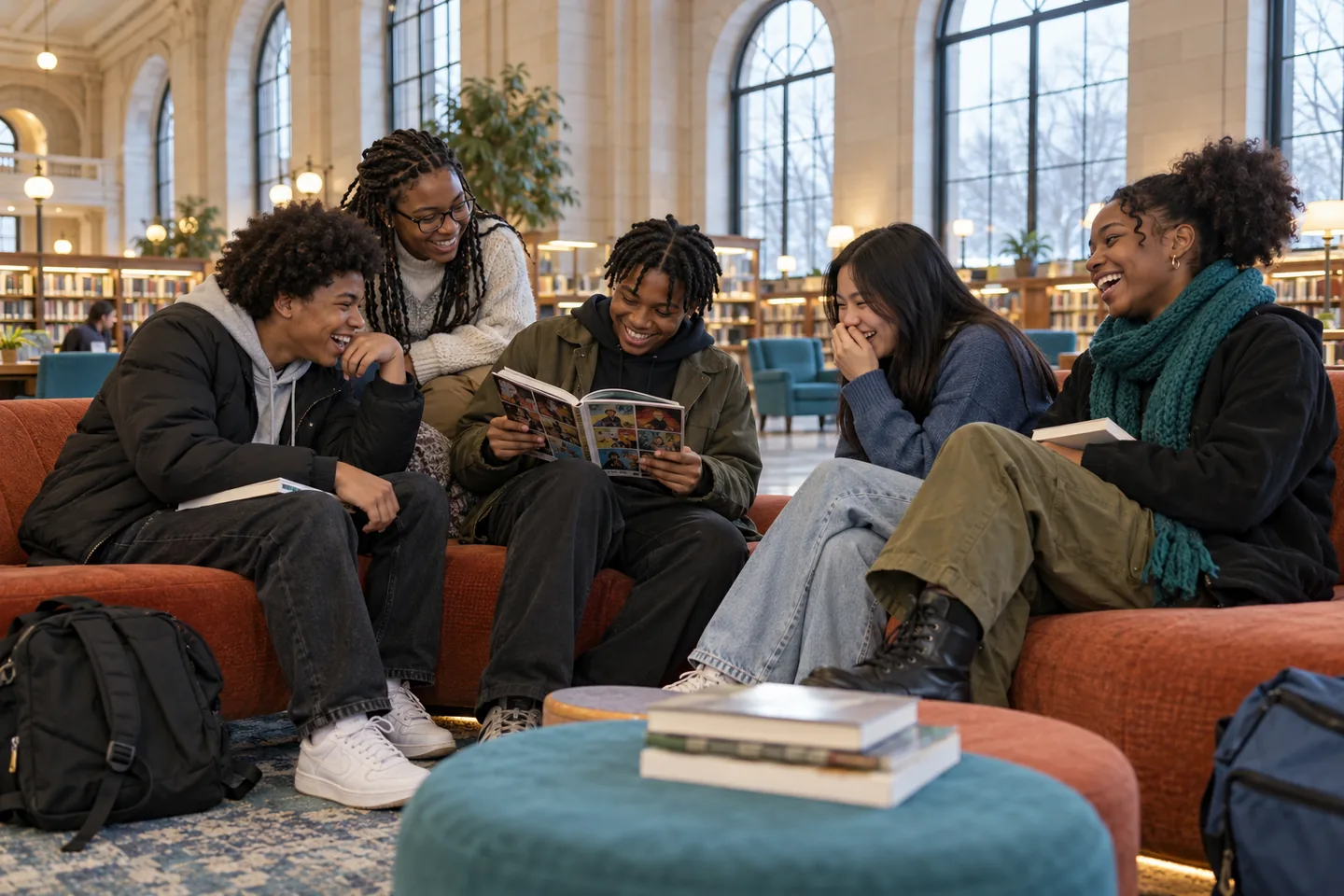
Make reading access part of the plan
A shelf of books for Black children is most useful when children can reach and use it. For example, face-out covers can help a young reader browse. Clear paths and a choice of seats can make the space easier to use.
Some readers may need audio, large print, or books in a home language. Others need a quiet corner or an adult who has time to read aloud. Ask families which options help. Then work with library staff or the program to find a good fit.
For younger children, the Smithsonian’s Joyful ABC Activity Books offer another resource. These free downloads connect early language and literacy with a positive sense of self. The series has editions for infants and toddlers, as well as children ages three to five.
However, a download alone does not solve every access need. Some families may need printed pages or help getting a copy. A partner can say whether printing costs, staff time, or take-home books would help most.
How donors can support books for Black children
Before starting a book drive, ask what the group can accept. A pile of unwanted books takes time and space to sort. In contrast, a gift that matches a stated need can be ready to use much sooner.
A short conversation can cover four points:
- Readers: Which ages, interests, and languages need more choices?
- Formats: Would print books, audio, or another format work best?
- Practical needs: Are shelves, printing, or staff reading time part of the gap?
- Delivery: Who can receive the gift, and when?
Then agree on the next step. That might mean buying requested titles, giving funds for staff to choose books, or waiting until storage is ready. Also, follow the partner’s rules for used books and group visits.
Believe in Me funds children’s charities as part of its youth empowerment mission. Its Education pillar places learning and support at the heart of that work. You can also support Believe in Me’s broader mission. A general gift supports the mission; it is not a promise to fund a specific book purchase.

Keep the welcome going after February
Black History Month can open the door to a shelf review. Yet books by Black creators belong in daily reading all year. Keep them within reach when the display changes.
Over time, staff can note which titles children request, which formats they use, and what is still missing. However, borrowing counts alone cannot prove a change in confidence or reading skill. Children’s comments and family feedback add useful context.
Finally, check back with the partner before making another gift. The next need may differ from the first one. Steady listening can help keep the shelf useful as readers grow.
A good place to begin is one clear question: which books would the children here love to find next?
Frequently asked questions
Where can I find books for Black children?
Start with a children’s librarian and the Coretta Scott King Book Awards. Then ask for stories that match the child’s interests and age. Include Black authors and artists, and leave room for humor, fantasy, family life, and history.
Are there free reading resources for young children?
Yes. The Smithsonian’s Joyful ABC Activity Books are free to download. Also, local libraries can explain their borrowing options. Check card rules and available formats with your library, since these can vary.
Should a book drive collect any books people offer?
First, ask the receiving library or youth program for its needs and donation rules. Then collect the titles, ages, and formats it can use. Believe in Me’s Five Pillars of Caring offer a wider view of how learning, belonging, and practical support connect.
How can children help choose books?
Offer a few options and ask what they enjoy. For example, they can point to a cover or request a topic. Then tell them which choices the program added. Read more about giving young people a meaningful voice.
Do these stories belong only in Black History Month?
No. Books for Black children belong on shelves throughout the year. February can be a starting point for new choices. After that, a library staff book guide can help families keep exploring.
Images are AI-generated illustrations. They do not show actual Believe in Me participants, a specific library, or published book covers.