
When Snow Closes School: A Backup Plan That Includes Every Child

School snow closures can change a family’s whole day. A useful backup plan covers five things: trusted updates, safe care, meals, travel, and a way to reach help. Planning together before the snow falls gives families more time to find gaps and ask for support.
For some children, a snow day means play. For others, it means losing a warm classroom, a school meal, or time with a trusted adult. Meanwhile, caregivers may still need to work. School partners, family resource staff, and donors can help make the plan work for more children.
Start with trusted updates on school snow closures
First, choose the official place to check for closure news. Use the school district’s website or alert system. Then make sure each caregiver knows where to look.
For example, Spokane Public Schools explains its closure and delay procedures online. Families in other districts should check their own school’s notices. A message shared by a friend may be old or meant for a different school.
Also, treat a late start, an early pickup, and a full closure as different plans. Each one may change care and bus times. Before leaving home, check the latest notice and confirm any separate program’s hours.
School partners can help by using short messages in the languages families need. In addition, a phone option helps people who cannot get online. Clear updates should explain what changed, when it starts, and where to ask questions.
Make a care plan that fits the family
Next, talk through who can care for the child if school closes. A nearby relative or trusted adult may be part of the plan. However, ask them first. Their work, health, or travel needs may limit what they can do.
Keep the plan small enough to use on a busy morning:
- Name the first contact. Choose an adult who has agreed to help.
- Add a backup contact. Also, decide what to do if the first person cannot help.
- Confirm pickup rules. Follow the school or care provider’s approved process.
- Share key details. Include phone numbers, care needs, and a safe meeting place.
- Keep a paper copy. That way, the plan is still handy if a phone loses power.
Above all, do not assume a library or community center offers supervised child care. Call the provider and confirm what it offers, who can attend, and whether it is open. A building with open doors is not always a child care program.
Plan for meals during school snow closures
A closed school may also change where a child eats. Before a storm, ask the school how it shares meal updates. Then check with any food provider before making a trip. Pickup plans can change with road conditions.
In Washington, Washington 211 connects people with food, child care, and other local services. Families can call 211 or search its online directory. The service is free and private. However, a listing does not promise an open site, a space, or funds.
Donors can help by asking a youth-serving partner which needs are hardest to meet. For example, families may need foods that fit allergies, culture, or a home without a working stove. Ask before collecting goods so the group can use what arrives.
Believe in Me’s Basic Human Needs pillar includes essentials such as food, clothing, and shelter. A snow-day plan is one way to see how those needs shape a child’s day.
Keep connection in the day
A sudden change can feel easier when children know what comes next. Start with a short plan for meals, rest, and time together. Then offer a choice: a book, a drawing, a simple game, or a call with someone they know.
Also, ask the school how learning works during a closure. A family may not have a spare laptop or strong internet. In that case, staff can explain the school’s options. Families should not have to guess what counts as completed work.
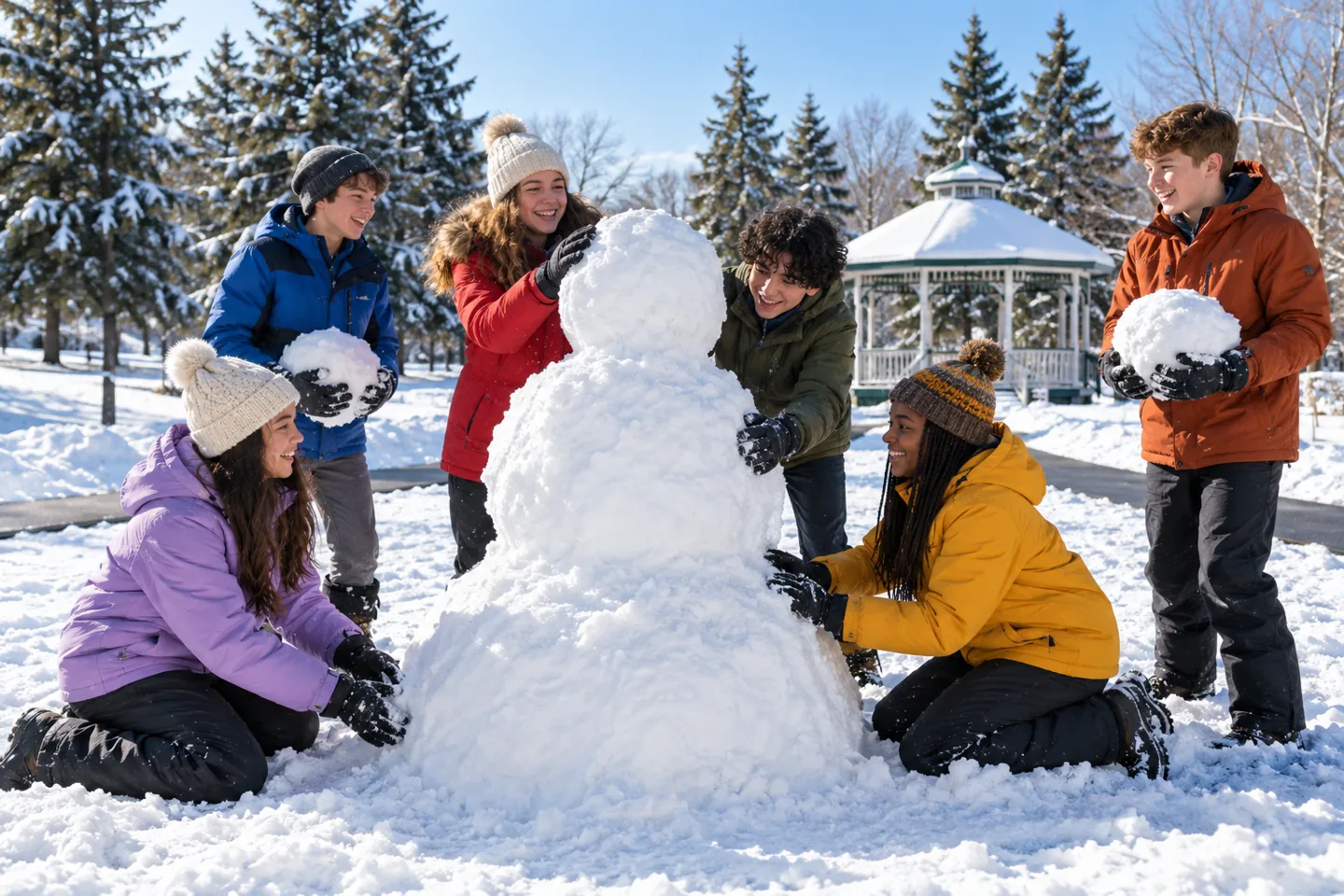
Once weather and local conditions allow, outdoor play can be another way to connect. Until then, keep plans indoors and follow local safety guidance. A cheerful snow scene does not mean it is safe to travel during a storm.
Our guide to helping kids ease back into school offers more ideas for familiar routines. Those same small steps can help when the school week changes without much notice.
Make room for each child's needs
Some children need a quieter space, extra time, or a clear picture of the day’s steps. Others rely on daily support at school. Before winter weather hits, ask caregivers what needs to carry over into the backup plan.
For example, a child who uses a mobility device may need an accessible entry and a clear path. A family may also need messages in a different format or language. Include those details early so the plan does not leave someone out.
Next, let children share what helps them feel settled. A favorite activity or a familiar voice may matter more than a full day of new tasks. Finally, share private care details only with the people who need them.

Prepare for power and travel changes
School snow closures may happen alongside power cuts or unsafe roads. The CDC’s winter storm guide recommends checking forecasts and supplies before a storm. Water, food that keeps well, warm layers, and a way to hear updates belong in that plan.
Also, check flashlights and spare batteries before they are needed. The CDC’s backup power checklist includes battery lights, charging options, and radios. Families with powered medical devices should make a backup plan with their care team.
However, a care plan should never depend on a risky trip. Follow local road and weather alerts, and confirm the destination before anyone leaves. If a route or site is unsafe, the group needs another plan.
How donors can support school snow closures planning
Good plans need time, people, and resources. First, ask a trusted partner what would help it reach families before a closure. The answer may be translated messages, staff time, supplies, or help checking contact details.
Next, ask how the group will track what families need without making them share painful details in public. A private call or short form can offer a way to ask for help. Also, check how the group will follow up when it cannot meet a request.
Believe in Me’s Community Support pillar centers on help through hard times and life changes. Together with the Five Pillars of Caring, it gives donors a way to think about the whole child.
You can support Believe in Me’s youth empowerment work or ask a local partner about its current winter needs. Either way, confirm the need before choosing how to help.
After the snow, improve one part of the plan
Once the school week returns, ask what worked and what was hard. Did every caregiver get the message? Was the meal plan clear? Could each child use the space and activities?
Then fix one gap while it is fresh. Update a phone number, add a language option, or check a pickup rule. Small changes can make the next closure easier to manage.
A fair snow-day plan starts with listening. When families, schools, and donors plan together, more children can keep the care and connection they need.
School snow closures: common questions
Where should families check school snow closures?
Start with your district’s official website or alert system. For example, Spokane Public Schools posts weather procedures. Then confirm separate care programs directly. Their hours may differ from the school’s schedule.
Does a community center replace child care on a snow day?
Not always. First, ask whether the center offers supervised care, has space, and is open. Also, confirm age and signup rules. Washington 211 can help families look for local services, but openings must be checked with the provider.
Where can families find food help when school closes?
Ask the school about any meal updates. In Washington, you can also call 211 or search the service directory for food resources. Before traveling, confirm the site’s hours, pickup rules, and current weather plan.
What belongs in a winter backup plan at home?
Include contact numbers, safe care options, meals, and needed supplies. Also, plan for power loss. The CDC’s winter preparation guide helps households review supplies and weather updates before a storm.
How can donors help without adding work for a nonprofit?
First, ask what the group needs and how it accepts help. Then follow its process for gifts or goods. Believe in Me’s Five Pillars of Caring offer a starting point for learning about youth needs.
Images are original AI-generated illustrations.