
Before the First Paycheck: Small Costs That Can Block a Teen's First Job
Youth employment support can help a teen cover a real need before the first payday. That may mean suitable work clothes, help planning a ride, or a link to a local service. Start by asking what the young person needs and what the employer already provides.
A first job can bring pride, new skills, and a sense of freedom. Yet the first paycheck comes after work begins. For a family with little room in its budget, even one needed purchase can be hard.
As spring hiring leads into summer jobs, donors and local employers can help. The goal is simple: make the first shift easier to reach, with support the teen can actually use.

Youth employment support starts with one question
First, ask: What could make it hard to start this job? Give the teen room to answer. They may have a need that an adult would not think to ask about.
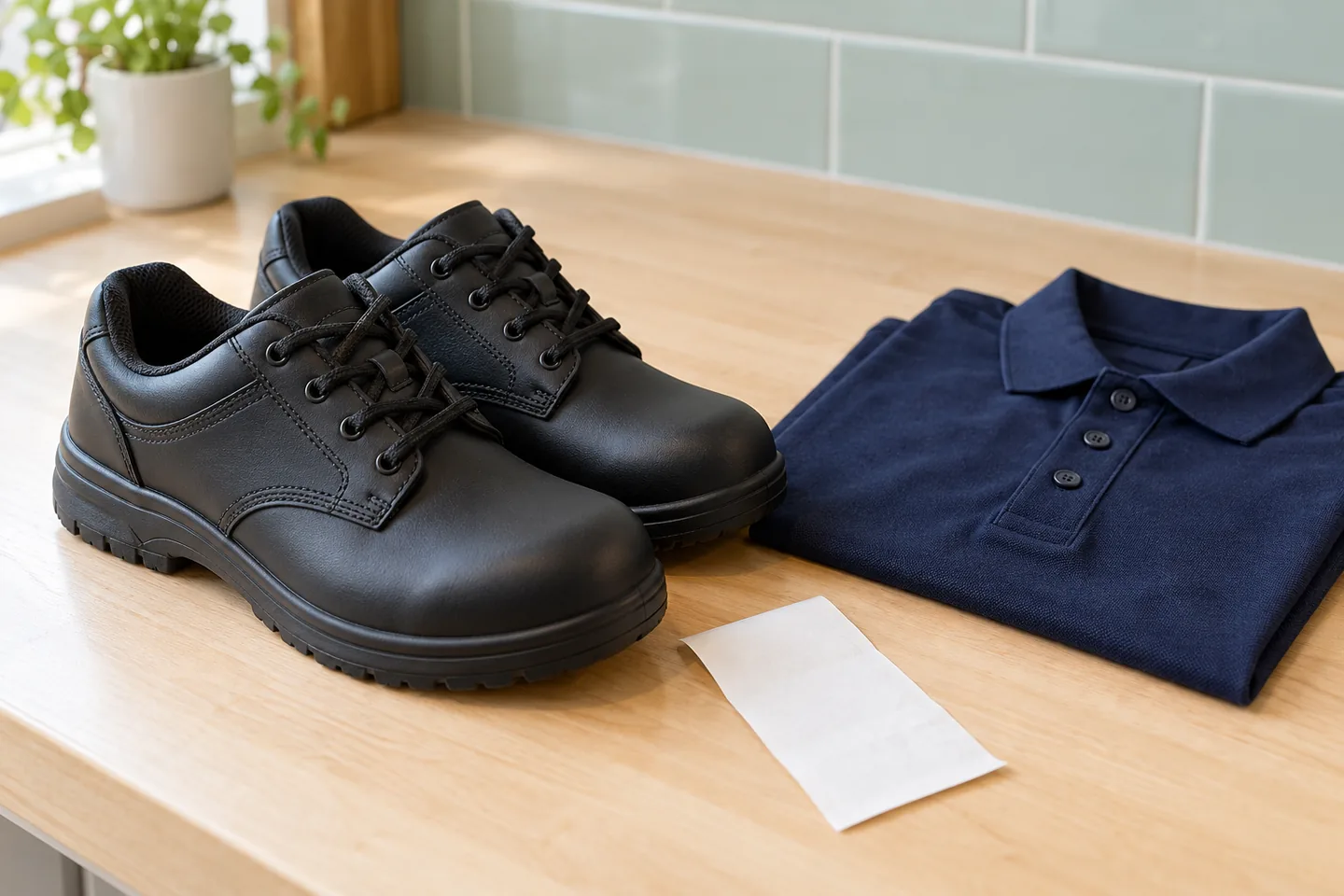
For example, a teen may own a clean shirt but lack the right shoes. Or a bus may reach the job site before work starts but stop running before the shift ends. A list of donated items will not solve every problem.
Youth.gov’s employment guide names travel, clothes, meals, and access to technology as practical needs. It also calls for listening to young people. That is a useful place for donors and partners to begin.
Then separate what is needed now from what can wait. Confirm the first shift, the first payday, and the items already covered. A short, clear plan helps a donor respond to the actual gap.
Also, ask how the teen wants to receive help. A private offer through a trusted youth program may feel easier than a public gift at work.
Work clothes need a clear plan
Before buying clothes, get the employer’s written dress rules. Ask which items the employer supplies and which items the worker needs to bring. This can prevent a well-meant gift from going unused.
In Washington, employers must pay for clothing that meets the state’s definition of a uniform. However, some general dress-code items are treated differently. Check Washington Labor & Industries’ uniform guidance before a donor pays for something the employer must cover.
Next, confirm the size, fit, and exact need with the teen. If shoes must meet a work rule, ask the employer to explain that rule first. A store credit may offer more choice than a pair chosen by someone else.
Also, check whether the program can accept gift cards or arrange a direct purchase. Keep a receipt and ask about exchanges. A shirt that fits on a hanger may feel wrong during a long shift.
Finally, avoid collecting piles of random clothes. A short list of requested items can save both storage space and staff time.

Check the trip from door to door
A free ride can help, but the whole trip still needs to work. Look at the route, walking distance, transfers, and the trip home. Check the schedule for the actual day and shift.
In the Puget Sound region, youth 18 and younger ride free on participating transit services. The Youth ORCA guide explains how it works and lists exceptions. Do not buy a pass before checking whether the young person already qualifies for a free ride.
However, a free fare does not create a missing bus route. For example, an evening shift may end after the last bus. Employers can discuss workable shift times, while a youth program can help explore safe travel options.
If a donor offers travel help, work through the program’s rules. Confirm consent, who can provide a ride, and the backup plan. Avoid arranging an informal ride with a stranger.
Our article on the ride that makes a youth connection possible explores these everyday access gaps. A plan for getting home matters just as much as getting there.
Find local youth employment support
Some youth programs can help with work-start costs. However, services depend on the program, the young person’s needs, and available funds. A referral is a first step, not a promise of payment.
For example, Pacific Mountain’s WorkSource guide lists help with travel, clothing, or tools for eligible youth and young adults. It serves Grays Harbor, Lewis, Mason, Pacific, and Thurston counties.
Ask a local youth-serving group which service fits the teen. Then confirm who will handle the request and when the family can expect an answer. The first shift may arrive before a regular intake visit.
Donors can ask partners about gaps that existing services do not cover. A business may offer store credit, help with a specific item, or funds for an agreed need. The program should confirm what it can accept before the donor buys anything.
In addition, keep roles clear. Our guide to school and community partnerships explains why one shared plan is easier to follow.
Give help that a teen can use
An offer works best when it is specific and timely. Ask a partner what is needed, when it is needed, and how to deliver it. Then agree on the next step.
For example, a clothing shop could offer a fitting and store credit through a youth program. An employer could explain workwear needs before the start date. A donor could cover an approved gap after other support has been checked.
Also, think about costs beyond a single purchase. Does the teen have a way to wash work clothes? Can they bring a meal? Is there a way to receive a schedule if phone service is limited?
These are questions to ask, not needs to assume. The teen may already have a plan. Respect that answer and let them choose which help would make a difference.
After the first week, a brief check-in can show whether the support worked. Ask about the ride, the fit of the clothes, and any new concern. There is no need to ask for private details that do not affect the help.
Keep youth employment support clear and private
A young person should not have to share a painful story to receive a needed item. Keep requests and records within the program’s normal privacy rules. Also, separate help from any request for a photo or public thank-you.
Believe in Me’s Five Pillars of Caring include Basic Human Needs, Education, and Community Support. Helping a young person take part in work connects with those values.
To act on a specific need, ask a youth-serving partner what it can address right now. You can also support Believe in Me’s broader youth empowerment mission. A general gift does not promise a work-clothing fund or direct aid for a named teen.
Youth employment support can be modest and still matter. A suitable shirt, a workable route, or a timely referral can help a young person use an opportunity they have earned.
Frequently asked questions
What is youth employment support?
It is help that makes it easier for a young person to start or keep a job. This can include work clothes, travel planning, or links to services. Youth.gov describes practical needs and the value of listening to youth.
Should donors pay for a teen's uniform?
First, check who is responsible. Washington requires employers to pay for qualifying uniforms, though some general dress-code items differ. Use L&I’s uniform guidance and confirm the employer’s plan before buying clothes.
Do Washington teens need money for a bus pass?
Often, a fare is not the main barrier. Youth 18 and younger can ride free on participating Puget Sound services. Check Youth ORCA details and the local route. A safe trip home and a suitable schedule still matter.
How can a business help before the first payday?
Ask a youth-serving partner about a current, specific need. Agree on the item, timing, and delivery, and respect the teen’s choices. Our community partnership guide offers ways to keep that work clear.
Images are AI-generated illustrations. They do not depict actual young people or partners served by Believe in Me.