
The Ride That Makes a Youth Connection Possible
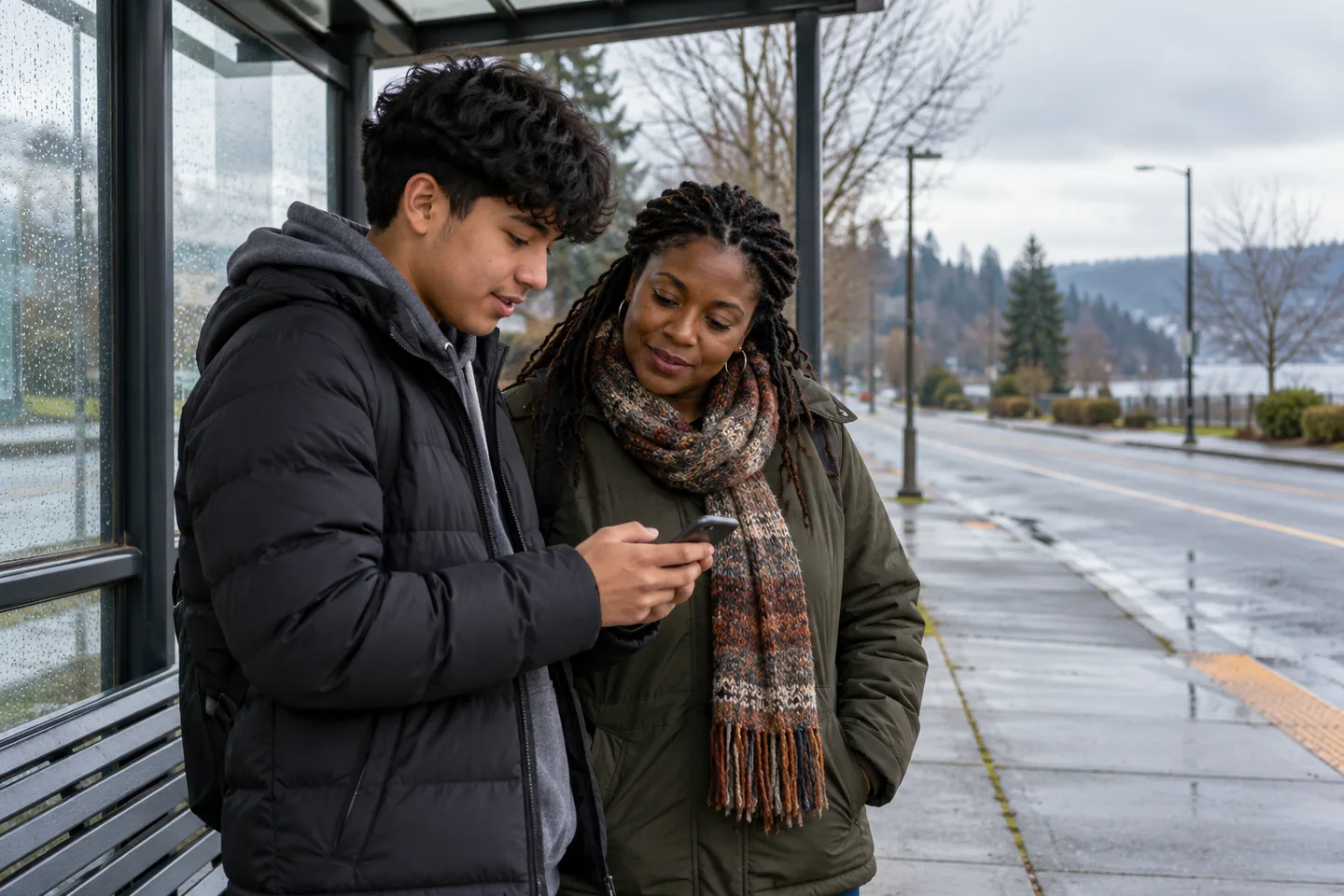
Youth transportation helps kids reach the places where they learn, build trust, and spend time with caring adults. Good support covers the whole trip: getting there, getting home, clear contact details, and a backup plan. It starts with what the child and caregiver need.
A mentor can be ready. A program can have space. Yet a child may still miss out if the ride does not work. For donors, the trip deserves a place in the plan alongside the activity itself.
January is National Mentoring Month, a time to value steady, caring connections. It is also a useful time to ask a less visible question: can kids reach those connections week after week?
Why youth transportation belongs in the budget
A free club may still be hard to reach. For example, a caregiver may work during pickup time. The nearest stop may be far from home. Or the last bus may leave before the activity ends.
These gaps can look like a lack of interest when staff only see an empty seat. Instead, ask what happened before judging a missed visit. A short, private talk may reveal a problem the group can help solve.
Believe in Me lists transportation among the examples in its Community Support pillar. This wider view matters: the path to a service is part of being able to use it.
For a donor, funding that path may be less visible than buying new supplies. However, it can help make the supplies, space, and staff time useful to more kids.
Ask families about the whole trip
First, ask the child and caregiver what a usual trip looks like. Start with the route they already use. Then talk through the parts that feel hard, rushed, or unclear.
A short conversation can cover five points:
- Time: Can the child arrive on time without missing school or rushing a caregiver?
- Return: Is there a clear way home after the program ends?
- Access: Can the child use the stop, vehicle, and path to the building?
- Support: Who needs to travel with the child, and who can answer questions?
- Change: What happens if a route, pickup, or session changes?
Also, ask what the child prefers. Our guide to bringing youth voices into community giving explains why their input should shape the plan. One family’s good option may not fit another family’s day.

Use local youth transportation resources
Next, check the transit agency that serves the actual trip. In Puget Sound, myORCA explains free transit for riders 18 and younger on participating services. Its guide covers the Youth ORCA card and how to plan a return trip. Check the agency’s rules and any exceptions before riding.
In Spokane, Spokane Transit offers free rides for youth 18 and under. Its youth page explains card options and ways to ride without a card. It also links to trip-planning help.
However, a free fare does not create a nearby stop or a later bus. The family still needs a route that fits the child’s needs and the program’s hours. Meanwhile, an adult traveling with the child may have a separate fare.
For young people age 19 or older, check adult fare options directly. Do not assume a youth fare still applies. Program staff can help families find the right information without promising that a service or discount is available.
Keep rides within the program's plan
Before anyone offers a lift, ask the program which rides it allows. A mentor’s wish to help does not replace the group’s rules. Some programs allow certain rides; others limit where and how mentors meet with youth.
MENTOR’s training guidance includes transportation among the topics programs should address. Families, mentors, and staff need the same clear information.
For any proposed ride, ask who approves it, what consent is needed, and who checks the driver and vehicle. Also, confirm pickup and drop-off rules. These details belong with the program staff who manage the process.
Donors can support an approved plan without arranging rides on their own. For example, a gift might cover a partner’s agreed travel costs. First, confirm what the group can accept and how it will use the support.
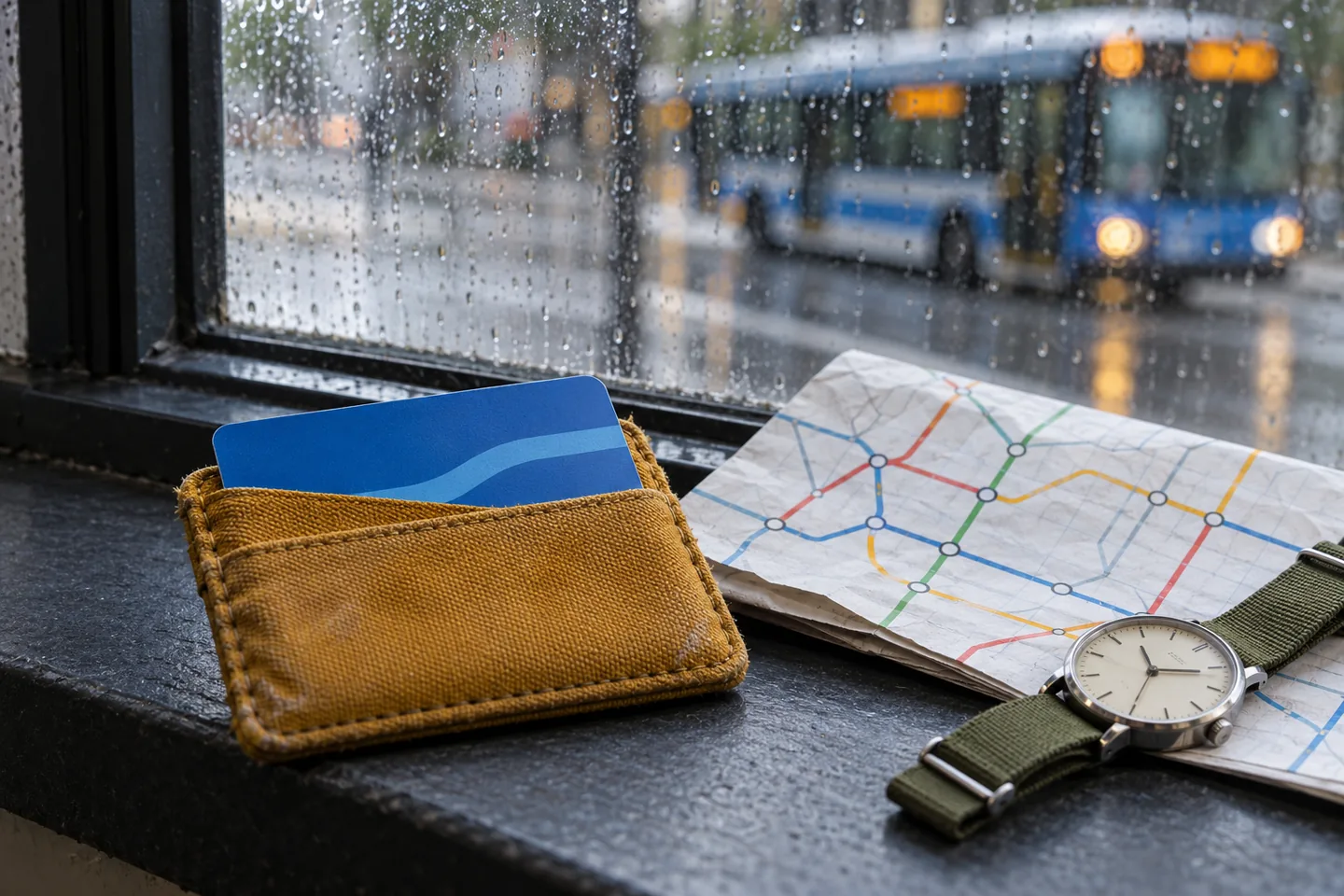
Give youth transportation a winter backup
Rain, snow, and early darkness can change a trip. Before leaving, check the transit agency’s current alerts and the program’s latest message. A bus may run on a new route. Some stops may be closed.
For example, Spokane Transit’s winter operations page explains snow detours and where to find alerts. Families should use live updates for the trip they plan to take.
Then agree on one contact for changes. Save the number where the caregiver and child can find it. Keep a paper copy, too. A phone may lose power. Also, choose a safe plan if a pickup is late or a session ends early.
Sometimes the right choice is to reschedule. A child should not feel pressure to travel through unsafe conditions to keep a place in a program. Our school snow closure guide offers more ideas for care, meals, and clear family updates when plans change.
What donors can fund beyond a fare
Useful support starts with a need the group has named. Ask the partner which part of the trip is hardest to cover. Then discuss a gift that fits its plan and the family’s choices.
Possible needs include:
- Adult travel costs when a caregiver or approved staff member goes with a child.
- Staff time to help with routes, contact details, and schedule changes.
- Accessible travel arranged through the program’s approved providers.
- Route practice with the support the family and program agree is needed.
- Flexible funds for approved gaps that a standard pass does not cover.
Also, ask whether a simpler change could help. A different end time or a closer meeting place may make a route work. The best gift is not always a new van.
Keep the funding request clear. Ask the partner to explain the need and the planned use. Then agree on how it will share results. Avoid promising a fixed number of rides unless the actual costs support that figure.
Check whether youth transportation is working
After support begins, ask whether the trip became easier. Did the child reach the program more often? Was the return plan clear? Did the caregiver spend less time sorting out changes?
Use simple totals and feedback to learn what needs work. For example, a partner might track visits missed because of travel before and after a change. However, those counts alone cannot prove that a ride improved a child’s confidence.
Also, protect privacy. Donor updates can explain the work without listing children’s routes, home addresses, or daily schedules. Share what changed and what remains hard, rather than asking families to tell a painful story.
Help make the next connection possible
Believe in Me’s Five Pillars of Caring connect basic needs, belonging, learning, community support, and enrichment. A trip that works can help a child reach more than one kind of care.
Start with a local youth-serving partner: ask which approved travel needs remain unmet. You can also support Believe in Me’s youth empowerment work and learn how gifts help kids reach care and new chances to learn.
A ride is more than a line in a budget. It can be the step between an open door and a child who can walk through it.
Youth transportation: common questions
Why fund youth transportation if a program is free?
A free club may still be hard to reach. It may be far from home or meet at the wrong time. First, ask families where the trip breaks down. Believe in Me’s Community Support pillar includes transportation as one example of practical support.
Can young people ride transit for free in Washington?
Several agencies offer free fares for riders 18 and younger. Check myORCA’s youth guide for participating Puget Sound services and Spokane Transit’s youth page for local rules. Also, confirm the route and any exceptions before the trip.
Can a donor or mentor offer a child a ride?
Ask the program first. Follow its rules for travel, consent, and pickup. Do this before making plans. MENTOR’s training guidance includes transportation as a topic to cover. A willing driver is not the same as an approved ride.
What if winter weather changes the route?
Check the transit agency’s alerts and contact the program before leaving. Then use the agreed backup plan or reschedule if needed. Our winter closure planning guide covers ways to keep families informed when the day changes.
How can donors choose useful travel support?
Ask a youth-serving partner which approved costs it cannot yet cover. Then include the family’s views and agree on a simple update. Our youth voice guide offers questions that help donors listen before choosing how to give.
Images are original AI-generated illustrations.