
Small Gardens, Shared Tools: Opening Outdoor Learning to More Kids
Gardening for kids does not need to start with a large plot. A few pots, suitable tools, and a caring adult can make room to explore. Community partners can help by asking what keeps children from joining and meeting those needs.
After Earth Day on April 22, spring offers a reason to keep that care growing. A child can watch a new leaf unfold, compare seeds, or wonder why one plant leans toward the light.
Yet a free garden activity may still be hard to reach. Families may lack a ride, supplies, or a place that fits their child’s needs. For donors and youth programs, opening the garden gate means looking beyond the seeds.
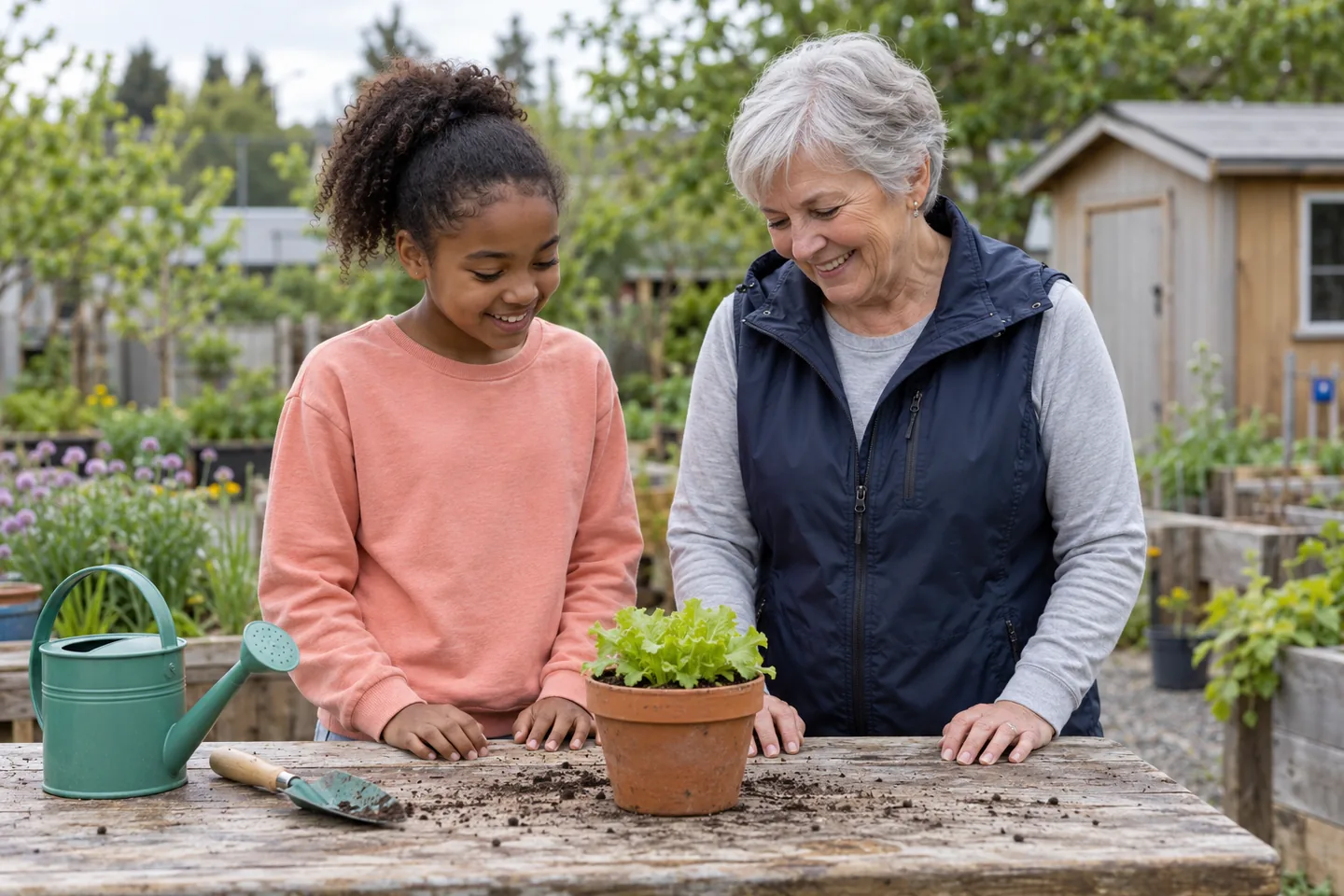
Gardening for kids can begin in a small space
A program does not need to build a whole garden at once. A small container project can help a group learn what works before it adds more plants.
KidsGardening’s container garden guide explains how pots can fit small or challenging spaces. It also offers ways to adapt activities for different learners. The container, plant, and task should fit the children who will use them.
First, ask young people what they want to notice or grow. Some may like flowers. Others may want to follow a pea shoot or draw a leaf. A shared project can leave room for more than one interest.
Then choose a size the program can care for. A few healthy pots with regular attention may serve a group better than many beds with no care plan. Start with what staff and volunteers can manage through the season.
Children can take part without owning a yard or buying a kit. The space, supplies, and support can belong to the group.
Share tools that children can use
Shared tools can remove the need for each family to buy its own set. However, a box of donated tools is only useful when the items fit the work and the children.
KidsGardening’s tools and materials guide recommends well-made tools in suitable sizes. For example, a small watering can should be light enough for a child to carry when full.
Before a supply drive, ask the program for a short list. Confirm the item, size, number, and storage space. Staff can then accept what they need without sorting a pile of extras.
Also, think about grip and reach. Adaptive tool ideas from KidsGardening include using a handled mug to scoop soil. A simple change may make a task easier. Staff should check the fit and sturdiness of any tool before children use it.
Finally, agree on who will clean, check, and put away shared items. A labeled storage spot can help the next group find what it needs. Replacing a worn tool is part of keeping the project going.
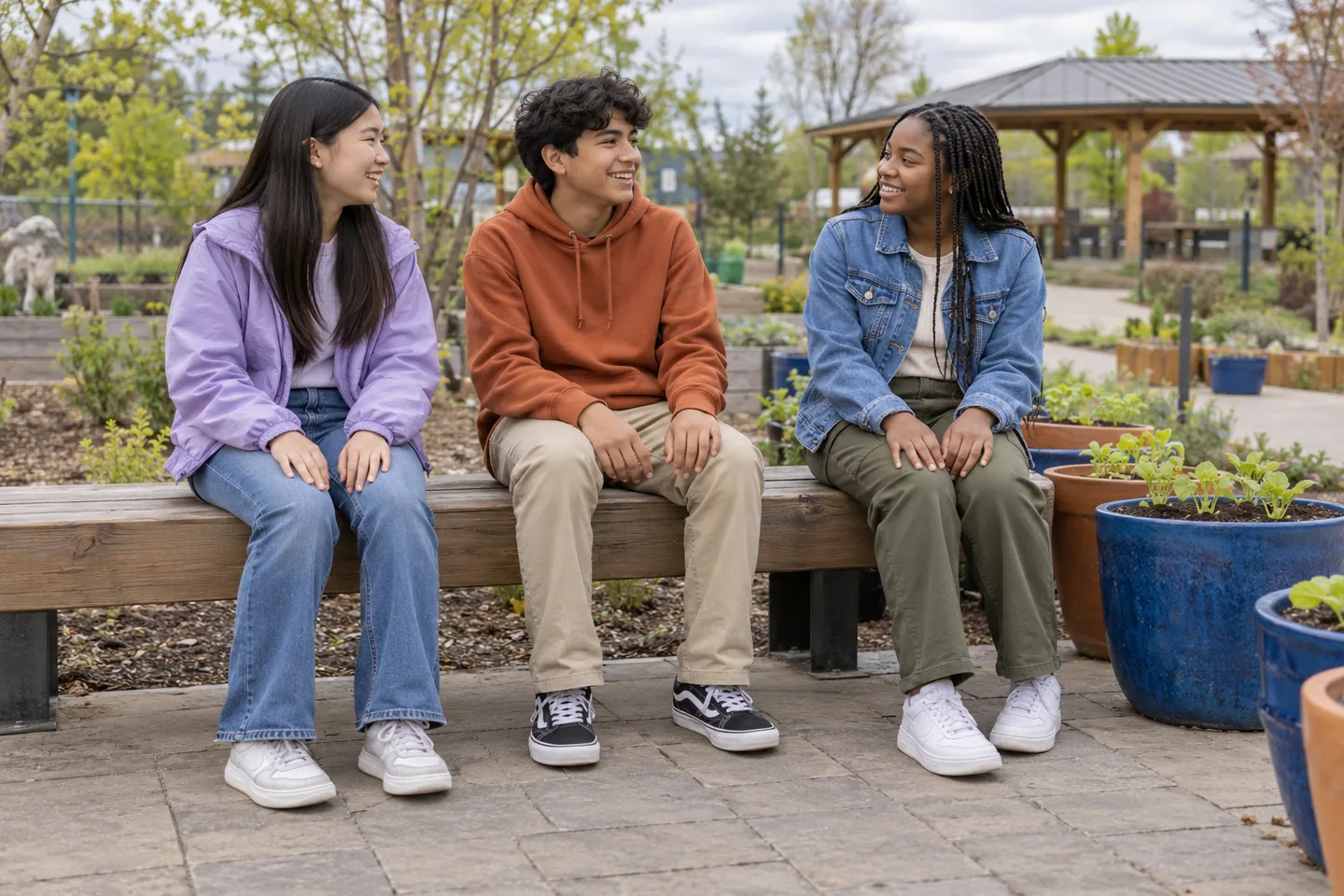
Make gardening for kids easier to join
Access begins before a child reaches a plant. Can the family get to the site? Is the entrance easy to find? Can a child reach the work surface and take a break nearby?
A raised bed alone does not answer every question. The route to it, the working height, and space to move all matter. Invite children and caregivers to help review the setup before a donor buys or builds something.
For example, one child may prefer to work while seated. Another may want to watch first or avoid touching soil. Offer choices, such as sketching growth, counting leaves, or helping name the plants.
Our guide to spaces that welcome different sensory needs explores this kind of choice. A calm place to pause can be as useful as a busy activity station.
Also, ask about the trip. Our article on youth transportation and community connections shows why a ride can shape who gets to join. A supply gift cannot solve a travel gap on its own.
Plan for the site, the season, and the water
A garden should be ready for children before the first group arrives. Program leaders need to check the site, soil, water, tools, and plants. They should also follow the rules that apply to their program.
The EPA’s What to Know Before You Grow guide explains why site history and soil testing matter. Raised beds need suitable soil, and the areas around them must be safe for visitors, too.
Donors can ask whether the program needs help with this planning before offering plants. Soil testing or a safe water source may be more useful than another seed packet.
Next, match planting plans to local conditions. Washington’s climate varies across the state. WSU Extension’s vegetable gardening guide covers growing seasons and crop needs. A sunny April day does not mean every plant is ready to move outdoors.
Staff should guide tool use and any food-growing or tasting activity. Clear handwashing and cleanup routines belong in the plan. A garden visit can focus on looking and learning without tasting anything.
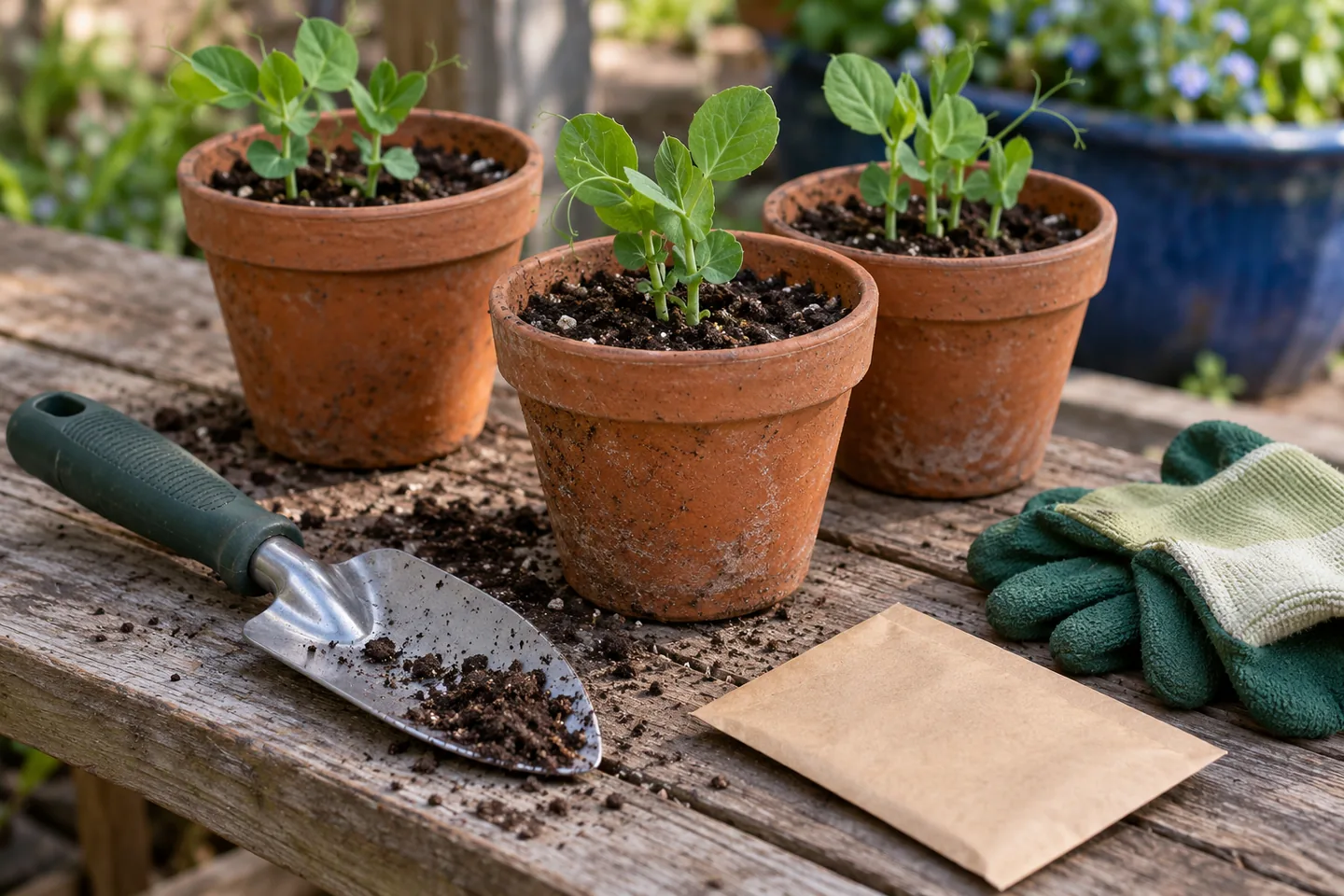
Keep gardening for kids growing after planting day
Planting day gets the attention, but the days after it matter, too. Who will water during a school break? Who can check the plants if the usual helper is away?
Before starting, name a lead and a backup. Write down when someone will check the garden and how they will share updates. Keep the plan simple enough to use on a busy week.
Then make room for small discoveries. Children might notice that the soil dries faster in one pot. They may find a new leaf or see that a seed did not sprout. These moments can lead to questions, even when the garden looks far from perfect.
A donor can help with needs that last beyond the launch. Ask about replacement supplies, water access, or a place to store tools. Confirm what the program can use and when it needs it.
Volunteers also need clear tasks. Our article on a good start for every volunteer explains how a shared plan helps new helpers. A garden care shift should name the job and the person to ask for help.
Give support that fits the garden
A useful offer starts with a conversation. Ask a youth garden partner which supply or access change would help children take part now. The answer may be small and specific.
For example, a local store could provide the exact pots on a program’s list. A donor could help cover an agreed need. A volunteer team could take on approved cleanup work with staff guidance.
Also, let the program say what it cannot use. Unwanted plants and extra equipment take time and space. Listening can make a gift more helpful than buying in bulk.
Believe in Me’s Five Pillars of Caring include Education, Enrichment, and Community Support. A welcoming place to explore connects with those values. You can also support Believe in Me’s broader youth empowerment mission.
Gardening for kids can begin with a small pot and a question. When partners share the cost and listen to families, more children have a chance to join the discovery.
Frequently asked questions
Does gardening for kids require a large garden?
No. A few suitable containers can offer a place to start. Match the plants and pots to the space and the group’s care plan. KidsGardening’s container guide explains options for small spaces and different learners.
What should donors give to a youth garden?
Ask the program before buying. It may need well-sized tools, containers, or help with access and care. Confirm the exact items and timing. This tools and materials guide can help partners discuss a useful supply list.
Can children join without touching soil?
Yes. A program can offer ways to observe, draw, count leaves, or record changes. Ask each child what feels comfortable and keep choices open. Our sensory-friendly spaces article offers related ideas for welcoming different needs.
Is April the right time to plant in Washington?
It depends on the location, weather, and plant. Check local conditions and the crop’s needs before planting outdoors. WSU Extension’s Washington gardening guide is a useful starting point. Planning and observing can begin before outdoor planting does.
Images are AI-generated illustrations. They do not depict actual children, volunteers, or gardens served by Believe in Me.