
The Hidden Cost of the School Showcase
School arts programs can come with costs beyond a class or ticket fee. Concert clothes, art supplies, instrument care, and rides after rehearsal can add up. Families can ask about loaned items and help with costs. Donors can ask schools what students need before buying supplies.
Spring brings concerts, plays, and halls lined with student art. For a child, sharing that work may mean weeks of practice and a proud moment with friends. Yet a missing pair of shoes or a late ride can stand between a student and the stage.
It helps to sort out these details before show night. A small offer of help can go a long way. The timing matters, too. The first step is to listen. Ask what feels hard. Let the child and family guide the next step.
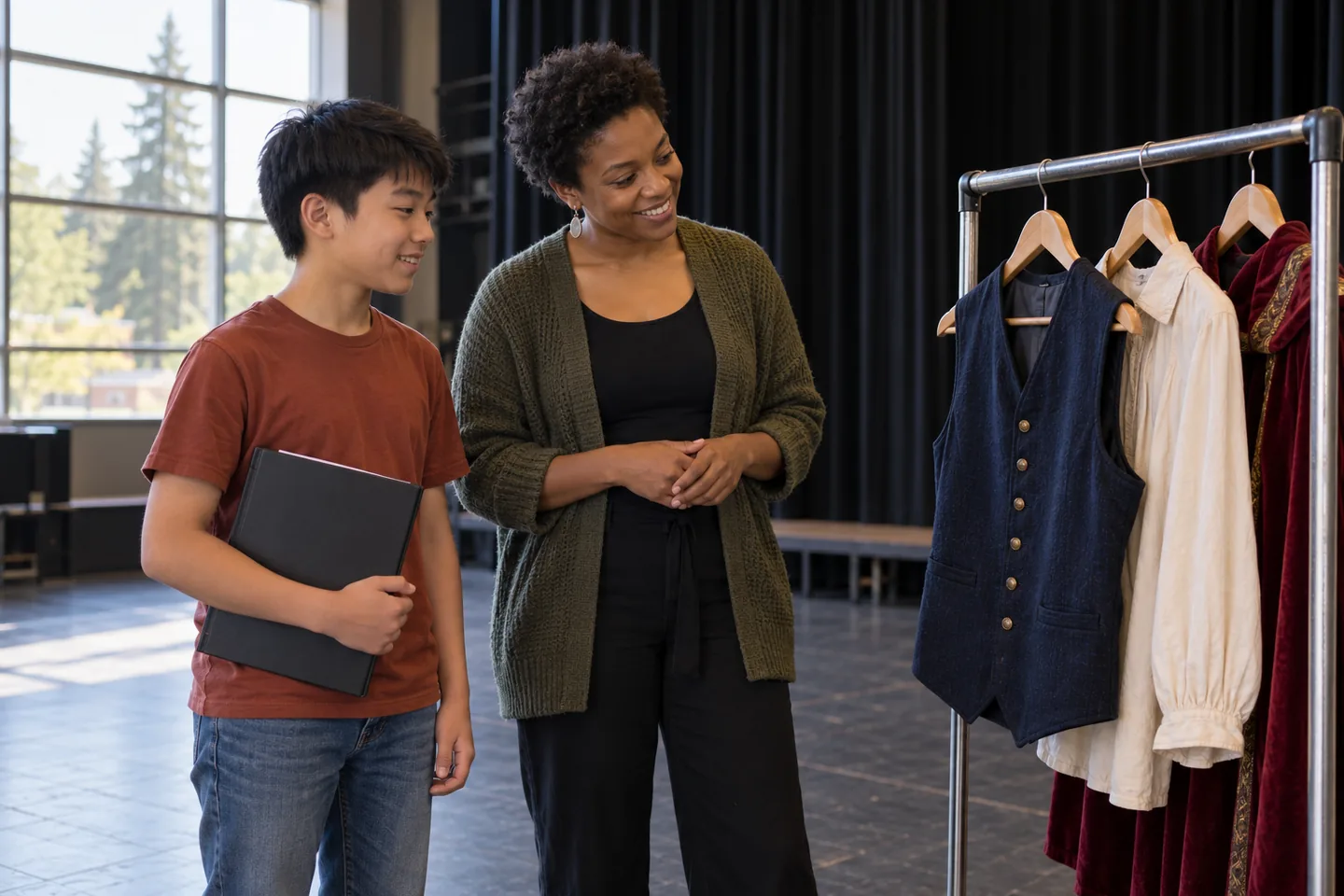
Where the costs of school arts programs can hide
A flyer may list the date and time without showing every cost. Some needs come up during practice. Others appear when families receive a clothing list or a note about a trip.
Start by asking which items are required and which are optional. Then check what the school already provides. Possible needs include:
- Concert clothes, shoes, or costume pieces.
- Instrument rental, repairs, strings, or reeds.
- Materials for artwork, props, or displays.
- Travel to rehearsals, performances, or festivals.
- Meals or care for siblings during a long evening.
Not every program has these costs. However, looking beyond the first fee helps families plan. It also helps donors see where a useful gift could fit.
The American Academy of Arts and Sciences calls for reliable funding for arts classes, supplies, and equipment. Community help can meet an immediate need while schools work toward lasting access.
Ask about clothes before buying something new
A child may own a white shirt but have outgrown the black pants needed for a concert. Another may need a costume that allows easy movement or feels comfortable on their skin. Share a clear list early. That gives families more time to find a fit.
First, ask whether clothes already at home will work. Next, check for a school clothing closet, a swap, or help with a purchase. Avoid buying an item until the teacher confirms the requirements.
For example, TOPS K-8 in Seattle invites families to ask about help with concert clothes. Eckstein Middle School’s orchestra page describes collecting used concert clothing for students who need it.
These examples offer ideas to discuss with your own school. They do not mean every program has the same support. Ask about sizes, condition, timing, and who handles requests.
Keep instruments ready to play
Owning or borrowing an instrument is only one part of joining a music group. A worn string or broken key can keep it out of use. A case also matters when a student carries an instrument between home and school.
First, talk with the music teacher. Do this before you rent or buy. Ask which type and size suit the student. Then ask what the school can lend and how repairs work. Also, check whether a loan covers the whole year.
Washington Middle School’s music FAQ says many students use school-owned instruments at no charge. It also notes that the supply is limited. Asking early helps a family learn about its choices.
In the Puget Sound area, Music4Life repairs donated instruments for use through participating school districts. The instruments remain district property and go to students on free, long-term loans. Families should ask their school about local access.
Help school arts programs plan for the whole evening
A rehearsal that ends after the last bus leaves can create a new problem. Even when a family can pay for supplies, a ride may be hard to arrange. Work hours and care for other children can add to the challenge.
Schools and arts partners can share pickup times as soon as plans are set. They can also name one person families can contact about travel concerns. Any ride plan should follow the school’s rules and include caregiver consent.
Our guide to school and community partnerships explains why clear roles matter. One person can confirm the need, another can arrange approved help, and the family can know whom to call.
Also, ask about food when students stay late. Our article on reliable after-school snacks explores that gap. A plan for the full evening can help a student focus on the work they came to share.
What school arts programs need from donors
A box of supplies is useful only if the program can use them. Before starting a drive, ask the teacher or arts partner for a short, current list. Include the item, size or type, amount needed, and delivery date.
For instance, a school might need thread to repair costumes rather than more costumes to store. A music group might need help paying for repairs rather than a new instrument. Confirm the need before choosing the gift.
Then ask how to give through the school’s approved process. A shared fund or loan closet can help. There is no need to name children in public. Our guide to covering youth activity costs offers more ways to support choice and privacy.
If you want to give an instrument, read Music4Life’s donation instructions or ask your local program about its process. Used items may need inspection or repair before a child can use them.
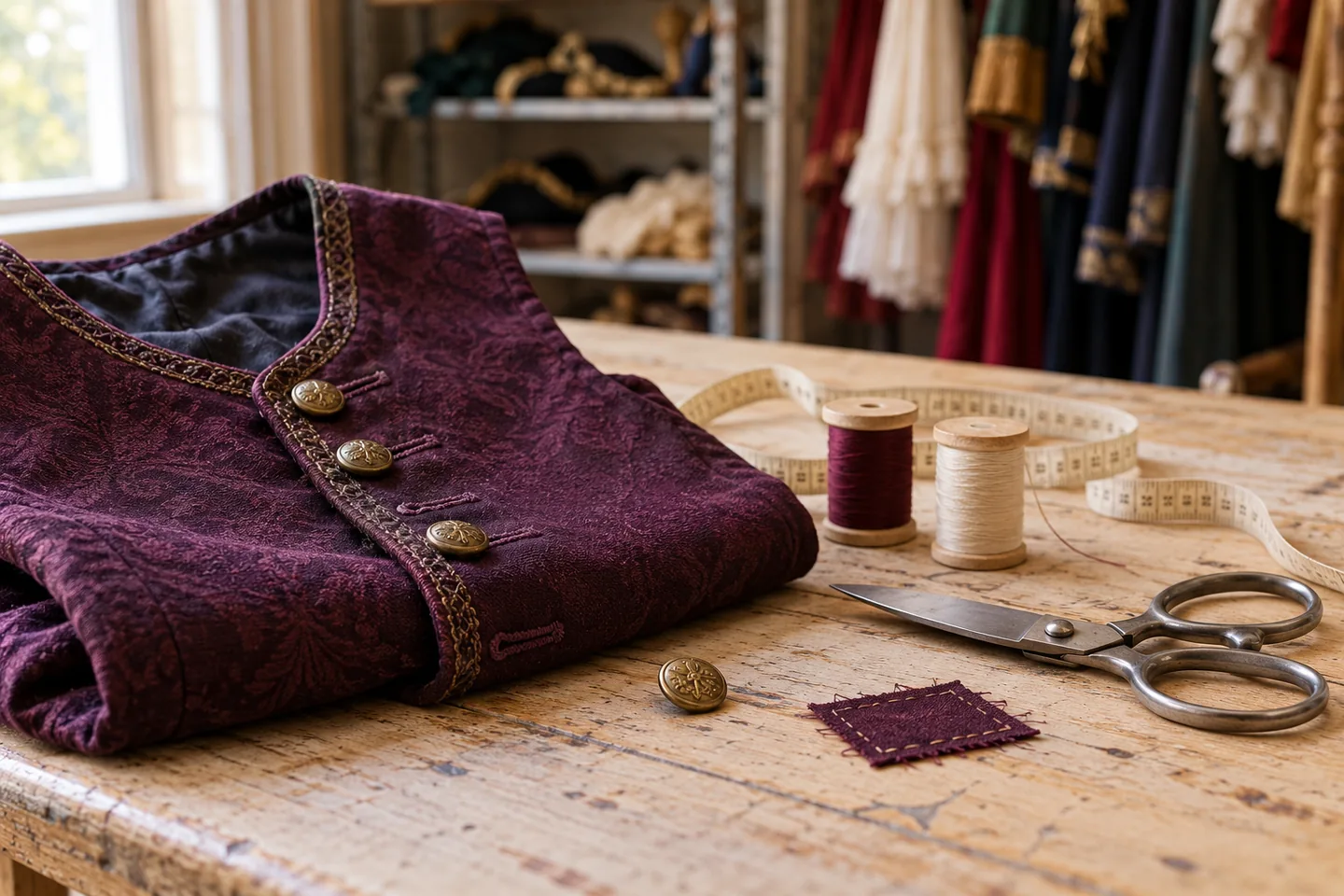
Keep the child at the center
Help should make joining easier without creating pressure to perform. Some children love the stage. Others want to paint scenery, create art, or help behind the scenes. Ask what they want to try.
Likewise, keep requests for support private. A child should not have to share a family hardship story to receive clothes or supplies. Thank donors in ways that respect the choices of children and caregivers.
Believe in Me’s Five Pillars of Caring include Enrichment, Education, and Love & Belonging. Arts experiences connect with those values by making room for learning, creative choices, and shared experiences.
To support school arts programs this spring, contact a school or youth arts partner. Ask what would help students take part in its next event. You can also give to Believe in Me’s broader youth empowerment mission. A general gift supports that mission; it is not a promise to pay a named child’s performance costs.
The goal is simple: let a child spend more time on the song, scene, or artwork, with fewer worries about how to join.
Frequently asked questions
What costs can come with school arts programs?
Costs may include clothing, supplies, instrument care, travel, and meals during late rehearsals. Each program is different. The Washington Middle School music FAQ shows why asking what the school provides is a useful first step.
What if my child needs help with concert clothes?
Ask the teacher privately about loans, swaps, or help with a purchase. TOPS K-8’s music page includes an invitation to ask for clothing support. Your school may offer different options, so check before you shop.
Can I donate a used instrument?
Often, but ask the receiving group first. It may need a certain type of instrument or a repair check. Follow Music4Life’s donation steps or the instructions from your local school. Do not leave an item without planning where and when to give it.
How can donors help without singling out a child?
Ask about a shared fund, supply list, or loan closet managed by the program. Keep family details private and let staff handle requests. Our community partnership guide explains how clear roles support that approach.
Images are AI-generated illustrations. They do not depict actual children or families served by Believe in Me.