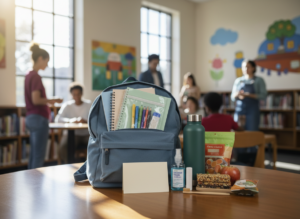
What to Put in a Youth Empowerment Back-to-School Care Package
Back-to-school care packages can do more than fill a backpack. Here is how donors can build youth empowerment into practical school-year support.

Back-to-school care packages can do more than fill a backpack. Here is how donors can build youth empowerment into practical school-year support.

A practical guide to back-to-school sponsorship for marginalized youth, with research-backed ways donors can help kids start the year ready to belong, learn, and grow.

Use this donor guide to evaluate high-impact youth empowerment programs with evidence, dignity, transparency, and practical next steps.

Independence begins with safety, stability, food, housing, hygiene, and trusted support. Here is why basic human needs must come first for marginalized youth.

Skills-based volunteers can help nonprofits protect donor trust by moving more time, expertise, and operating capacity closer to kids who need support.
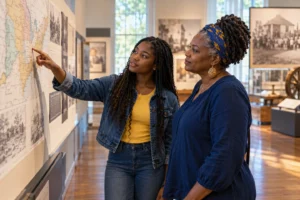
What Juneteenth can teach donors about youth empowerment: learn the history, listen to young people, and support access, dignity, and lasting opportunity.
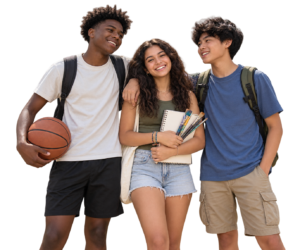
Summer enrichment programs help marginalized youth build confidence through camps, arts, sports, belonging, and supportive relationships.

A Pride Month guide to ethical storytelling for LGBTQ youth nonprofits, with consent, privacy, dignity, donor trust, and safer campaign examples.
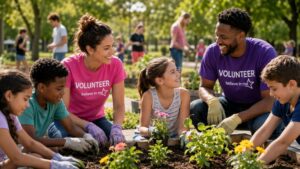
Summer belonging For some young people, the last day of school is not just the start of summer. It can also mean the sudden loss of meals, structure, trusted adults, peer connection, and safe places to be known. That is the end-of-school gap. When people search for summer support for underserved youth after school ends,

Learn how direct-to-provider financial assistance can address verified youth needs while supporting clear stewardship, privacy, and donor trust.