
Mental Health Supports Are Community Supports: What Donors Need to Know
Mental health community support helps marginalized youth build safety, belonging, and self-confidence. Here is what donors need to know.

Mental health community support helps marginalized youth build safety, belonging, and self-confidence. Here is what donors need to know.

See how a clear nonprofit case for support explains how donations are used, from donor intent to youth opportunity and transparent reporting.

Learn how community support helps transition age youth move into adulthood with relationships, housing stability, education, work pathways, and belonging.

Learn which back-to-school youth program metrics donors should watch, from attendance and stability to belonging, confidence, and support.

Learn why job readiness support belongs in education programs for marginalized youth, and how donors can fund confidence, skills, and opportunity.
Learn how trauma-informed giving helps donors support youth nonprofits with dignity, consent, trust, and ethical storytelling.
Learn how Make-A-Will Month and legacy gifts can help sustain youth empowerment, education, belonging, and self-confidence for generations.
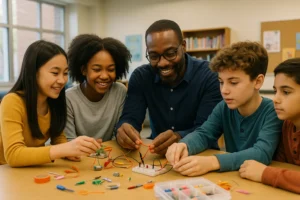
Learn why mentorship matters in youth empowerment programs and what donors should fund to make mentor relationships safe, consistent, and effective.
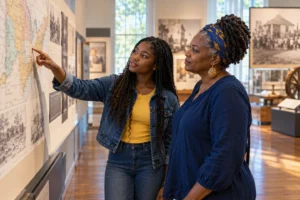
What Juneteenth can teach donors about youth empowerment: learn the history, listen to young people, and support access, dignity, and lasting opportunity.

Supporting Young People During the Summer Summer belonging For some young people, the last day of school is not just the start of summer. It can also mean the sudden loss of meals, structure, trusted adults, peer connection, and safe places to be known. That is the end-of-school gap. When people search for summer support